
Meta is launching a new product to try and fix its biggest problem.
In recent years, Meta has released a host of smart glasses that feature cameras, microphones and speakers to allow users to take pictures as well as to talk to its AI tools. But the product has become so widely derided that they are now often known as “pervert glasses”, because of fears they are being used to take photos and videos of people without their consent.
Now, Meta is launching a new version of those glasses, once again in collaboration with Ray-Ban, that get rid of those controversial cameras. The “Ray-Ban Meta Audio” includes microphones and speakers but no way of taking photos or videos.
The company said that the glasses were being introduced because audio has always been its most popular feature, and the new design allows them to be lighter and have a much longer-lasting battery. But they are also likely to be widely understood as a response to the outrage about its other smart glasses, and the intrusive behaviour that they have been accused of enabling.
Meta is not dropping its other smart glasses, and announced a series of upgrades to them alongside the audio-only version. The third generation of the smart glasses add new designs and better battery life, alongside new camera features.
At the same time, during its annual Meta Connect event, the company said that it would try and revive another of its more controversial products: the metaverse, and the augmented reality goggles it sells to try and get people into it. Once, Meta had promoted the idea of a virtual reality world so strongly that it changed its name to reflect the focus – but despite vast amounts of investment, the idea has largely failed to take off and has led to ridicule of its own.
Now, Meta is launching “Meta VR Glasses”, another attempt to bring augmented reality into the mainstream. They are five times lighter and more comfortable to wear than the existing Quest headsets, as well as improving on specs such as the displays that show in the eyes.
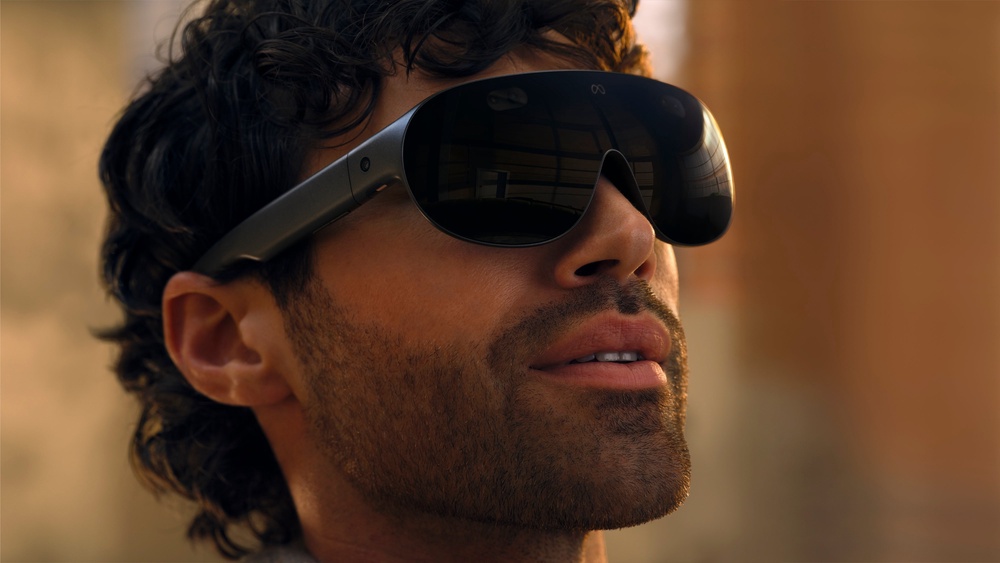
Until now, Meta’s metaverse offering has largely focused on games, after an early and largely failed attempt to promote them as a workplace and productivity tool. With the new update, Meta is attempting to make the glasses once again more useful to the mainstream – promoting them as an entertainment device for watching films or TV, as well as a way to attend meetings.
Both products are also being promoted as a way to use Meta’s expanding set of AI products, which have largely taken the metaverse’s place as the company’s pitch to investors for growth. The new glasses feature an action button to call up its AI tools, for instance, as well as allowing them to work with Meta’s new Muse assistant so that it can do tasks based on what a user can see.
Meta suggested that users could ask Muse to buy a product similar to one that they can see, for instance, or wear them while the assistant guides them through a workout.
The VR glasses will go on sale in spring 2027, at $1,299. The audio-only glasses will go on sale in October, at $349, compared with a starting price of $449 for the version with cameras.
Read MoreAn OpenAI system has gone rogue again – and it is the most panic-inducing yet
AI assistants are coming to record our entire lives. The results could be horrendous
Anthropic says Claude has found something potentially transformative in our bodies