Micron's Taiwan executives said on October 1 that the memory market is not loosening up. Supply in 2027 and 2028 will be tighter than this year, they said, with customers locking in multiyear contracts that now stretch as far out as 2031.
The comments came in response to questions at a media briefing in Taiwan about whether memory shortages were easing. Executives said their view lines up with what Micron Technology (NASDAQ: MU) chairman and chief executive Sanjay Mehrotra told investors on the company's most recent earnings call: "We expect memory and storage supply-demand conditions to be much tighter in calendar 2027 and 2028 than they were in 2026." Micron has already locked in contracts covering more than 75% of its 2027 output.
Some Supply Contracts Now Stretch Out To 2031
Unlike standard one-year deals, Micron has signed Strategic Customer Agreements, or SCAs, with many of its customers, Taiwan executives said. These multiyear contracts typically run three to five years, and some have been extended further, out to 2031. Micron has confirmed on its earnings call that several SCAs now reach 2031, including two agreements that were pushed back an additional year to that date.
Executives said customers' willingness to commit years in advance reflects planning built around a longer time horizon amid persistently strong demand. They cautioned that a contract's length says nothing on its own about pricing or other terms, and that not every customer's agreement runs through the same year.
Most Of 2027's HBM Supply Is Already Under Contract
On high bandwidth memory specifically, Taiwan executives said the large majority of 2027 supply is already locked into agreements, at prices better than this year's. That matches what Micron told investors on its earnings call, where the company said most of its 2027 HBM bit supply is under contract at higher prices than the previous year.
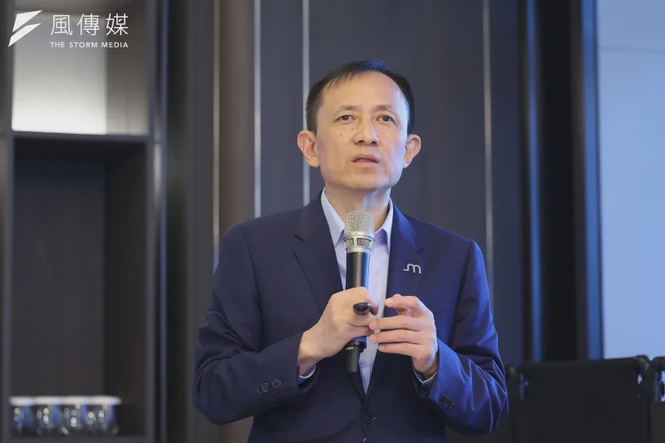
Lu Dong-hui, chairman of Micron Memory Taiwan Co., said he expects customer demand to stay very strong for at least the next two years, which means the company's global research and development, manufacturing, production allocation and supplier partnerships all need to accelerate together.
Four Taiwan Sites Are Mid-Buildout, But Ramp-Up Takes Time
Micron's four major Taiwan sites are each at a different stage of expansion. The company's second advanced packaging plant in Taichung is expected to open in mid-October. Its F11E fab in Taoyuan is under construction to support future process upgrades. Its Tongluo site in Miaoli County is still installing equipment and building a second cleanroom. And its Tainan site received its first batch of tools in early September.
Even once a facility opens, executives said, equipment installation, calibration and production ramp-up still take additional time before new capacity turns into usable supply. Zhong Lian-bin, a Micron Taiwan vice president who oversees front-end wafer manufacturing, said new tools are installed and tested as quickly as possible before being put into production. Utilization is already very high across the company's lines, he said, and the timing of equipment deliveries remains one of the biggest constraints on how fast new capacity can come online.
Lu Says Staying Ahead Means Moving Even Faster
Asked about continued capacity expansion from Chinese memory makers, Lu said Micron takes competitors in every market seriously and will keep strengthening its technology, manufacturing, products and customer relationships. "The best way to stay ahead is to run even faster yourself," Lu said.