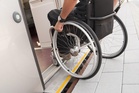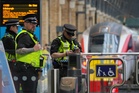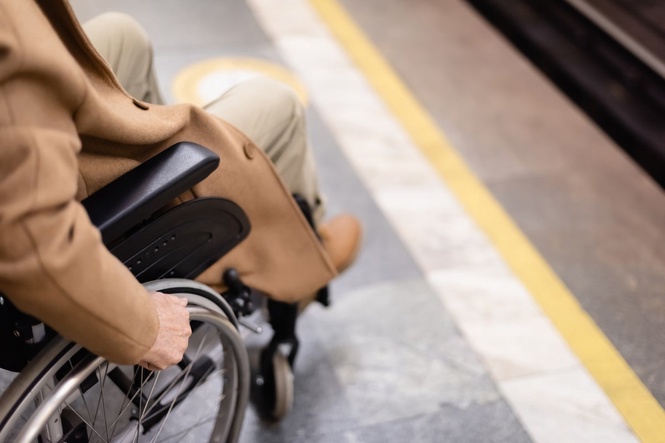
Fewer than three per cent of disabled train passengers consider rail replacement services fully accessible, according to research from a service that provides them.
Data from Great British Rail Replacement (GBRR), part of the CMAC Group, found that of 145 disabled UK rail users, just 2.8 per cent said rail replacement services were fully accessible.
Around 66 per cent of disabled passengers reported a deteriorating experience in the past year, with 30 per cent left without a viable alternative during disruption, added the GBRR Rail Accessibility White Paper.
The CMAC Group, a transport and accommodation company, added that 19 per cent of rural customers said they have cancelled travel plans because they believe disruption provision will be “inadequate”.
More than 80,000 rail services were fully or partially cancelled across Great Britain between January and March 2026, according to Office of Rail and Road (ORR) figures.
According to GBRR, rail operators have as little as 15 to 30 minutes to establish the scale of a major disruption and begin mobilising alternative transport.
It said: “Vehicles may already be committed to school transport, scheduled services, private hire, tourism, airports or major events, while driver-hours regulations, depot locations, weather and road conditions can further affect availability.”
The group is calling for effective rail replacement to come from a wider network of resilience planning, with accessibility considered before disruption occurs.
GBBR called the UK government’s plan to renationalise rail services through Great British Railways (GBR) a “fundamental opportunity” to integrate accessibility with consistent national standards.
Ian Jeffrey, director of Great British Rail Replacement, said: “When disruption occurs, the response begins immediately. Establishing control, validating demand and mobilising the right mix of transport all happen in parallel.
“It is not about indiscriminately booking vehicles, but quickly understanding the incident and deploying the most appropriate response.”
A spokesperson for the ORR said that although they have seen “significant progress” from the rail industry in providing accessible rail replacement services, there is “further to go” to support passengers.
They said: “Planning and making a journey when planned rail replacement services are in use should be as easy for passengers as when travelling by train.
“We have seen significant progress from the rail industry in providing buses and coaches that are physically accessible for passengers, and in providing information to help people plan their journeys – but there is further to go to make sure that passengers have all the information and support they need to be able to make journeys that involve rail replacement services with confidence on the day.”
The ORR 2026 Annual Consumer Report said 97 per cent of rail replacement vehicles meet accessibility standards set by the Driver and Vehicle Standards Agency (DVSA).
A Rail Delivery Group spokesperson said: “Disabled passengers should be able to travel with confidence, including when their journeys are disrupted. We are committed to improving rail replacement services so passengers have the information and support they need to travel.
“Train operators are working to provide clearer information, better assistance and suitable alternative transport that meets passengers’ needs. We will continue working with disabled passengers, operators and suppliers to remove barriers and make rail travel more accessible.”
Information from Transport for London (TfL) on rail replacement bus services says that most operate using the “same vehicles and drivers as our regular bus services.”
It adds: “Most London bus drivers are regularly contracted TfL drivers who receive accessibility training including Disability Equality Training.
“Occasionally, drivers may be casual and agency staff. These drivers are trained on the vehicles they will be driving, including training on the vehicles' accessibility features and deploying the ramp.”
Read more: Baroness Tanni Grey-Thompson unveils plan to improve air travel accessibility
Read MoreLondon railway stations hit by travel chaos after fire damages signalling equipment
Companies with highest number of train cancellations during summer heat revealed
Center Parcs launches sensory library for neurodivergent families
Texas flight forced to make dramatic U-turn after windshield cracks
Jet2 flight to Stansted evacuated after passenger’s ‘bomb threat’
UK theme park crowned world’s best – and it’s not where you might think