First Word
WITH the final curtain rung down on the 20th Asian Games in Nagoya, Japan, and the national sports delegations now on their way home, the squeeze is on to massage a disappointing Filipino performance at the Asiad into something for the nation to be proud of.
The PR drumbeaters of the Philippine Sports Commission (PSC) and Philippine Olympic Committee (POC) were quick to produce the spin for the Asiad story, which a POC media pool dutifully transmitted to media outlets and the public.
As related by the media pool, the country pulled off a minor miracle in Nagoya. It said grandiosely in a headline that it was a “Festival of firsts for [the] Philippines.” The story goes on:
“What a fortnight.
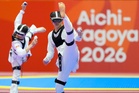
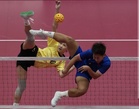
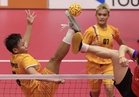
First gymnastics golds, first taekwondo gold, best athletics haul since the 1980s, first medals in 3x3 basketball, soft tennis, sepak takraw and beach volleyball — Team Philippines turned the 20th Asian Games into a festival of firsts and its best finish since 1962.
But the Philippines’ finest put up proud fights and had their moments.
Philippine Sports Commission chairman Patrick Gregorio expressed overwhelming pride, noting the country’s medal surge across 16 different sports — from 11 in the 2023 Hangzhou Games.
‘We’re very happy we won so many medals in so many sports. ‘Yan po ang malaking pagbabago, at ‘yan po ang importante sa ating development ng Philippine sports, sa ating grassroots program,’ Gregorio said.”
This is not serious journalism but putting lipstick on a pig.
The English idiom "to put lipstick on a pig" means making superficial or cosmetic changes to something in a futile effort to disguise its fundamental flaws.
The hard reality, however, is that adding decorative or surface-level improvements does not fix deep-seated or structural problems.
Changing a failing company's name, or repainting a car with a broken engine will not do the job. Putting lipstick on our athletes’ performance in the Nagoya games is not only untrue; it dishonors the magnificent achievements of those of our athletes who triumphed in competition, like Yulo and Obiena.
The disappointments and failures are hardly the full story of what happened to the country’s athletes in the Asian Games. The full truth is that the nation went to the games with its medal prospects and potential performance forcibly curtailed.
Cue sports or billiards, which our players, male and female, have dominated in the Asiad and the Southeast Asian Games were forcibly scratched from the sports schedule of the 20th Asiad. Our male and female pool players, who are world champions in their divisions today, were deprived of the opportunity to win honors for their country and rewards for themselves.
This should open Filipino eyes to the hard reality of international sports.
There are two contests that we Filipinos must learn to fight and fight well. One is the contest of skills and athletic performance by players. And the other is the politics of sports organizations which decide the rules and call the shots in international competition.
Our athletes perform superbly at their level of competition. While our sports officials are slouches in the politics of international sports which are lorded over and generally run by sports officials from the older countries.
In short, we need a bigger and more persuasive voice in international sports, so the world will hear us and understand our concerns.
yenobserver@gmail.com