.png)
INTERNATIONAL leaders have united in welcoming a breakthrough framework agreement between the United States and Iran, focusing on the immediate resumption of global trade through the Strait of Hormuz and an end to the destabilising blockade of Iranian ports.
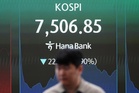
Reuters reported today that the pact has raised widespread expectations of a sustained reduction in global energy prices once commercial oil shipments resume through the critical maritime bottleneck.
The United Nations has positioned the agreement as a vital milestone for global security.
A spokesperson for UN Secretary-General Antonio Guterres said: “The Secretary-General welcomes the announcement that the United States and Iran have agreed on a peace deal that provides for an immediate and permanent ceasefire, the reopening of the Strait of Hormuz, as well as a framework for further negotiations.
“This represents a critical step towards the peaceful settlement of the conflict.
The economic and logistical significance of the waterway has drawn particular attention from major trading nations across Europe and Asia, who are demanding long-term guarantees for merchant shipping.
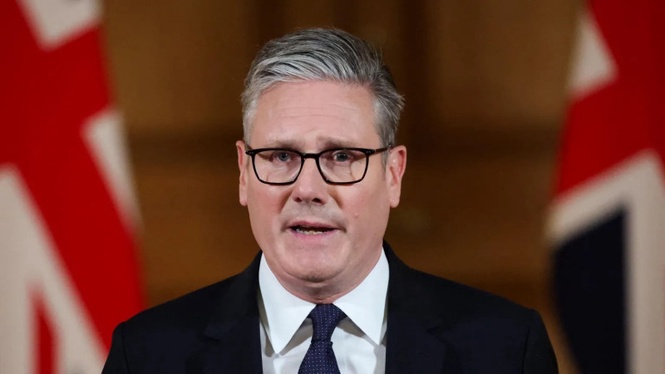
British Prime Minister Sir Keir Starmer emphasised the enforcement of international maritime law, stating, “We are clear that toll-free freedom of navigation must now be restored in the Strait of Hormuz ... Iran must never have a nuclear weapon.”
This position was strongly echoed in a joint statement from the E4 leaders of Britain, France, Germany and Italy, who noted, Iran must never acquire a nuclear weapon. “We stand ready to work with the US, Iran and the IAEA to this end.”
In Asia, where major economies rely heavily on Middle Eastern energy imports, the preliminary deal has brought substantial relief.
Japanese Prime Minister Sanae Takaichi observed that Japan strongly hopes that free and safe navigation through the Strait of Hormuz will be ensured in practice, and that a final agreement on Iran's nuclear issue and other matters will be reached as soon as possible.
The diplomatic breakthrough has also been viewed as a necessary intervention to halt the wider humanitarian and economic fallout of the war.
Australian Prime Minister Anthony Albanese said: “The Australian Government welcomes the agreement by the United States and Iran. Australia has long called for de-escalation and an end to the conflict, including in Lebanon.
“As we have said, the longer this war goes on, the greater the impact will be. Continued restraint and constructive engagement will be essential to prevent further escalation and secure a lasting agreement.
Pacific diplomats have similarly framed the deal as a victory for international relations over military escalation.
New Zealand Foreign Minister Winston Peters remarked, “This pivotal, constructive deal is a step towards reducing tensions and promoting stability in a region that is critical to global economic security... Dialogue and diplomacy remain the most effective means of resolving longstanding issues.” - June 15, 2026