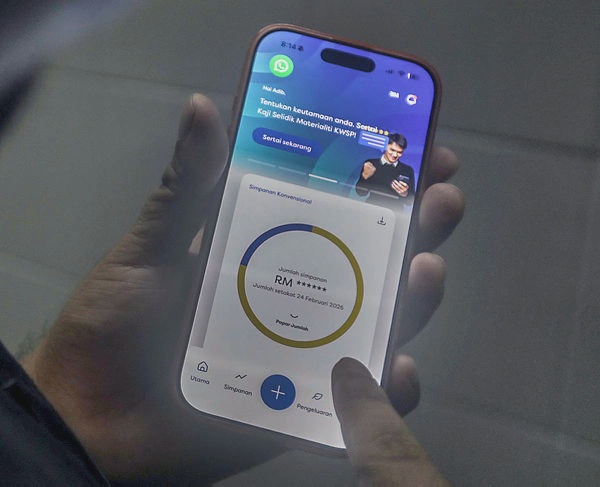
Only 39% of EPF members were on track for the RM390,000 retirement savings benchmark in June 2026, Anwar says, as retirement adequacy remains a concern.
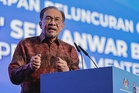
PETALING JAYA: Prime Minister Datuk Seri Anwar Ibrahim warned that only four in 10 Malaysians in the formal sector are on track to achieve the basic retirement savings benchmark of RM390,000 by the age of 60.
Under the Employees Provident Fund’s (EPF) Retirement Income Adequacy (RIA) framework, the government aims to increase the proportion to six in 10 EPF members by 2030.
In June 2026, the proportion rose from 36% to 39%, the New Straits Times reported.
Despite the increase in the proportion of EPF members meeting the benchmark, Anwar pointed out that “too many” Malaysians could outlive their savings during retirement, which could last between 20 and 25 years.
Anwar also warned that millions of Malaysians currently face challenges in achieving retirement adequacy, as many do not work in conventional formal employment, while the country’s social protection system was designed around formal employment.
“As the nature of work changes, our systems must evolve alongside it,” he said.
Anwar also pointed out that retirement planning must take into account the immediate financial pressures faced by Malaysian households, particularly those struggling to meet their daily expenses.
“For a household managing food, rent and school expenses, the horizon may be the end of the week,” he added.
The Finance Minister also said that asking Malaysians to prepare for retirement while they faced uncertainty over their near-term finances was not simply a matter of financial literacy, but also financial capacity.
“Retirement security begins with income, decent work and the ability to save consistently.
“This is why the wage agenda and the retirement agenda must move together,” he said.
EPF chairman Tan Sri Mohd Zuki Ali said the increase in the proportion of members meeting the basic retirement savings benchmark could signal that clearer targets may influence how people organise their finances.
Mohd Zuki said the RIA framework represented a shift in how EPF members viewed retirement savings, encouraging them to see their savings as an income stream that would need to last throughout a long retirement, rather than as a “lump sum” to be accumulated.
He also described the increase as a “meaningful signal” that EPF members were beginning to recognise the importance of retirement adequacy.