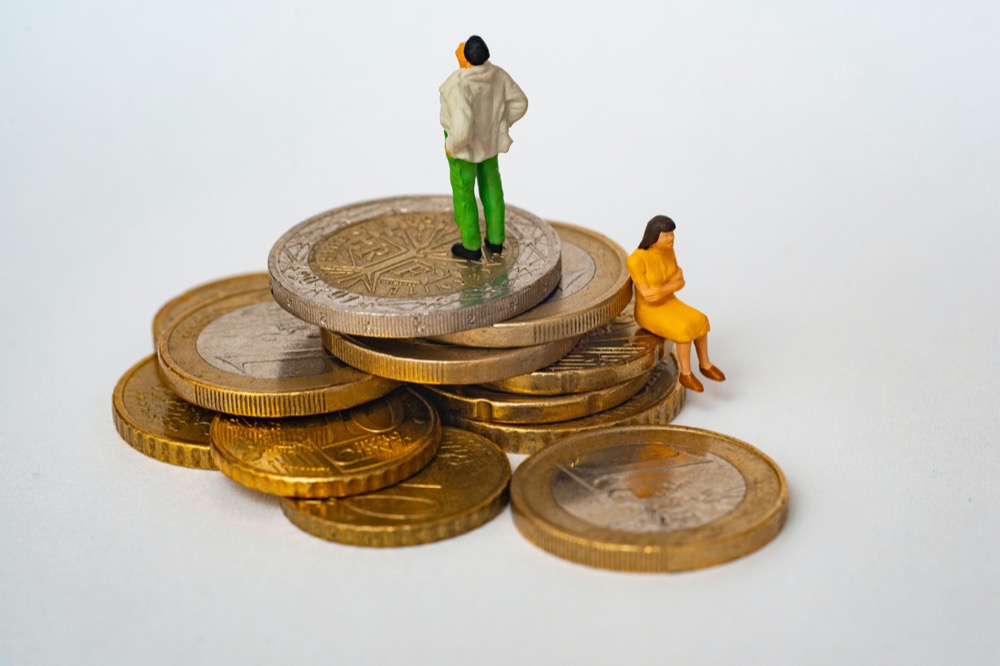
On 23 July 2025, Prime Minister Anwar Ibrahim announced that all Malaysians aged 18 and above will receive a one-off cash aid of RM100 under the Sumbangan Asas Rahmah (SARA) initiative. The payment, which will be credited directly to recipients’ MyKad, is being given in conjunction with the upcoming National Day celebration.
In a special televised address, Anwar said the RM100 credit can be used between 31 August and 31 December to purchase essential items at over 4,100 participating outlets nationwide, including major chains such as Mydin, Lotus's, Econsave, and 99 Speedmart. “This marks the first time in our nation’s history that cash aid is being extended to all adult Malaysians,” he said.
The government has allocated RM2 billion for the initiative, which is expected to benefit approximately 22 million citizens. Anwar added that the payout is part of a broader effort to ease the rising cost of living, particularly as food prices continue to outpace the average inflation rate of 1.1%.
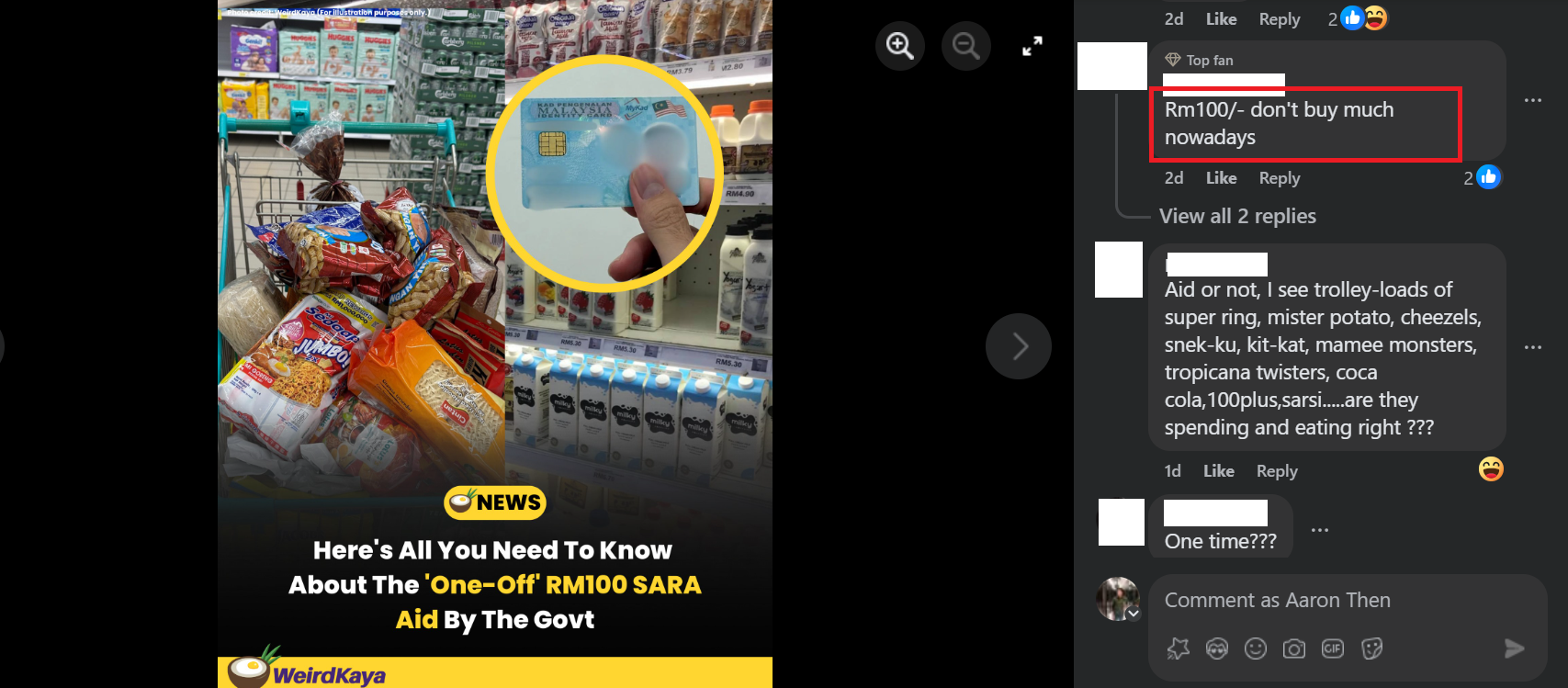
Still, the RM100 SARA aid has sparked criticism online, with many dismissing it as “too little.” A quick glance through social media comment sections reveals widespread mockery and frustration over the amount. In response, Prime Minister Anwar has urged critics not to belittle the initiative, reminding the public that the aid is meant to ease burdens, not solve everything overnight.
However, the big question remains: is the RM100 SARA aid too little?
Let's look at some facts:
1. One household doesn’t just receive RM100 - most families receive more.
It’s a common misconception that each family only gets RM100. In reality, the cash aid is given to every Malaysian aged 18 and above. That means a household with five adults say, two parents and three grown-up children, receives RM500 in total. Even a young couple with no children gets RM200, doubling their aid instantly.
The total sum received by a family depends on how many adult members live under one roof. For low-income or multi-generational households, this makes a significant difference. It might cover a week’s worth of groceries, a few months of utility bills, or school expenses. When viewed this way, RM100 per person adds up to meaningful support.
2. It’s not the only form of support - it’s part of a bigger strategy.
This RM100 aid isn’t meant to be a silver bullet - it’s one of many tools in the government’s broader plan to ease the cost of living. Programmes like fuel subsidies, electricity discounts, Rahmah Menu price controls, and targeted welfare assistance are already in motion. Together, they form a safety net for vulnerable groups.
Instead of judging the RM100 in isolation, it should be seen in context with other support systems in place. No single measure solves every problem, but layered policies help cushion everyday Malaysians from financial strain. The SARA aid complements other strategies, adding just enough to help stretch the ringgit a little further, especially for those who need it most.
3. RM100 isn’t too little - it depends on the context.
RM100 may seem small to some, but its value depends heavily on where you are and what you’re going through. In a luxury mall like TRX, RM100 might only cover one dinner. But at Speedmart or a local wet market, it could fill a basket with daily essentials like rice, eggs, and cooking oil.
Context changes everything. To someone financially stable, RM100 might just be fuel money. But for a hungry child, a struggling single mother, or a church left in darkness due to unpaid electric bills, that RM100 can mean the world. If you don’t urgently need this aid, consider turning it into kindness - buy a pack of groceries and give it to someone who truly does. The value multiplies when shared.
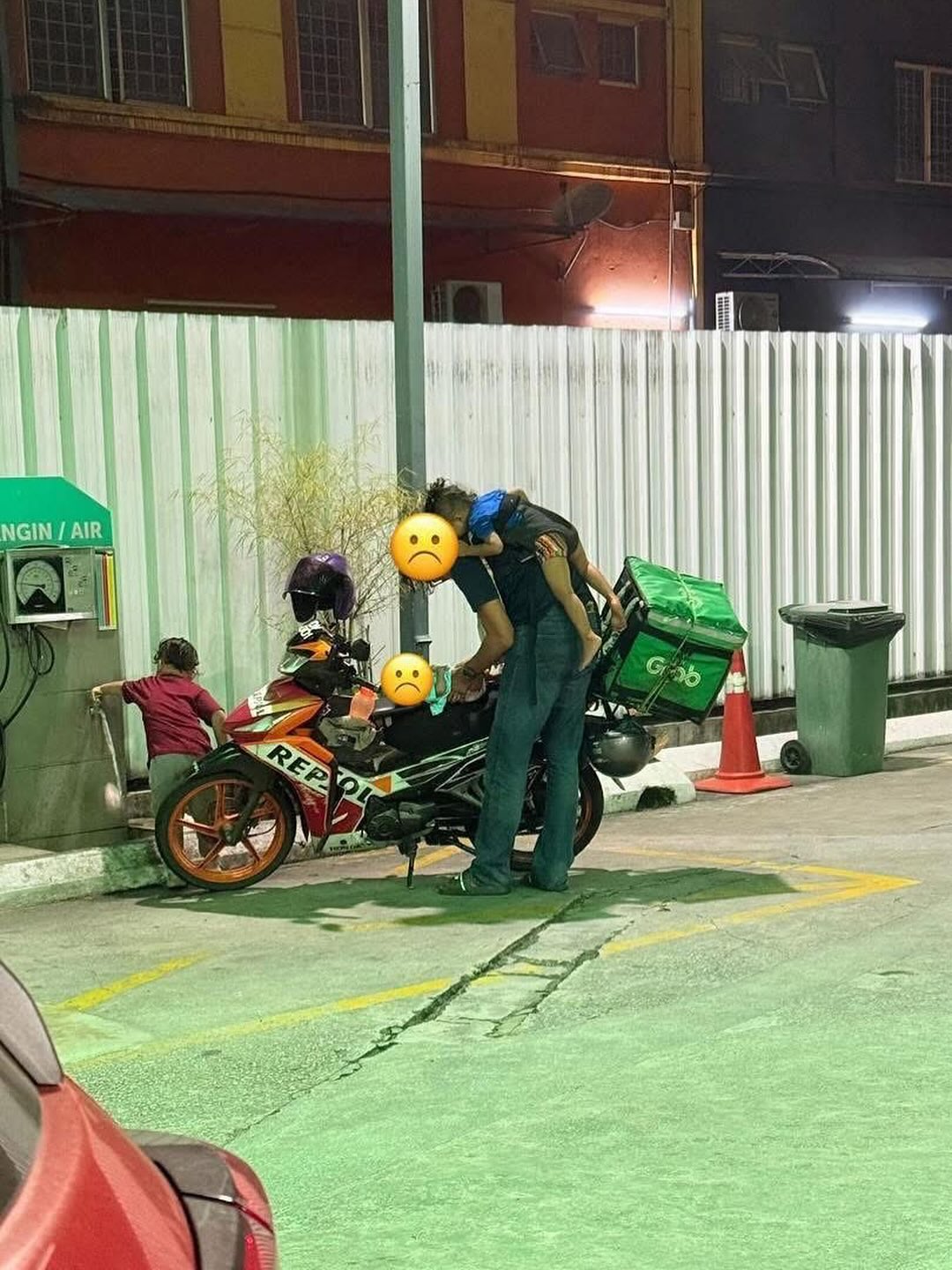
Consider this: Just recently, a heart-wrenching story made its rounds online. A food delivery rider was seen at a petrol station with three young children, one of whom was a baby. According to a post by @jentikhatitv on Instagram, a netizen named “dila dila” saw him parked at the air pump not to refuel, but to change diapers. She offered him the backseat of her car so he could do it more comfortably, but he politely declined, saying he didn’t want to trouble anyone.
Netizens later discovered that he lives at the Desa Rejang PPR flats in Wangsa Maju with his disabled wife and their children. His wife, it turns out, had lost an arm in a serious car accident but thankfully survived. This is the kind of family for whom RM100 or RM200 (he and his wife are adults) in this case can make a huge difference.
Wouldn't RM200 in SARA aid help this father feed his kids for a few more days? Perhaps keep the lights on or buy baby formula? For families like his, it’s not just pocket change it’s dignity, hope, and survival. If you’ve received this aid and don’t urgently need it, consider paying it forward. A small act of compassion can mean the world to someone else. 💛🙏
Share how government initiatives or public services have made a difference, and stand a chance to win cash prizes up to RM10,500! Find out how to join here. T&Cs apply.
Aaron Colt (aaronafter@hotmail.com) is a content creator under the Newswav Creator programme, where you get to express yourself, be a citizen journalist, and at the same time monetize your content & reach millions of users on Newswav. Log in to creator.newswav.com and become a Newswav Creator now!
The User Content (as defined on Newswav Terms of Use) above including the views expressed and media (pictures, videos, citations etc) were submitted & posted by the author. Newswav is solely an aggregation platform that hosts the User Content. If you have any questions about the content, copyright or other issues of the work, please contact creator@newswav.com.