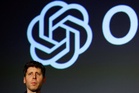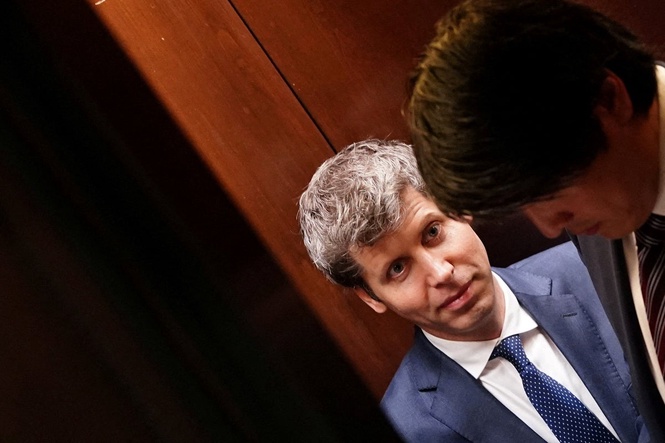
Mr Altman, chief executive of OpenAI, said that the urge to give “religious force” to artificial intelligence models could be a “real safety issue”.
He did not name any particular companies or people in his criticism. But it comes amid increasing concern about the religious and moral questions about AI – and a growing interest in them from some rivals, including Anthropic, maker of Claude.
"I am very uncomfortable about people trying to ascribe religious force or a surrender of human judgment to AI models, and think it is a real safety issue," Mr Altman said in an X post over the weekend.
His comments came shortly after a New York Times article describing the intense lengths that Anthropic has gone to in order to integrate religious thinking into the development of their new models. That included one of the company’s co-founders, Christopher Olah, having reportedly met with a range of religious leaders and discussed ideas including having models undertake a Catholic style confession.
Anthropic has suggested that the work with religious leaders is part of a broader effort to ensure that it builds systems that are in line with human views, as well as to consider the wellbeing of any possibly conscious versions of artificial intelligence. But some critics have suggested that it poses a risk of turning the systems into a religious force themselves.
“I am disturbed by how some of my fellow AI researchers keep trying to elevate the moral standing of checkpoints and harnesses,” said Jon Barron, principal research scientist at Google Deepmind. “I hope the rest of us on Team Meatbag reject this movement and stay focused on solving real problems and helping actual humans.”
The increasing concern over the spiritual nature of AI has also drawn attention from religious thinkers, including the Pope. He has repeatedly warned that artificial intelligence poses a spiritual risk to the people who use it – and repeated similar warnings just days after the New York Times report.
“In this era of artificial intelligence, it is becoming urgent to distinguish human art from what machines produce,” Pope Leo said in a tweet. “There is an ontological difference, even before an aesthetic one, between art and what a machine can generate through statistical calculation based on millions of images created by others.
“Algorithms lack the spark of humanity. For this reason, the Church wishes to renew an alliance with artists and cultural institutions to safeguard our humanity.”
Read MoreSam Altman says world ‘should accept some bad things happening’ with AI
Elon Musk says he will rename his company ‘SpaceXSI’ because of Trump
AI’s threat to humanity is far more insidious than extinction – just ask the Pope