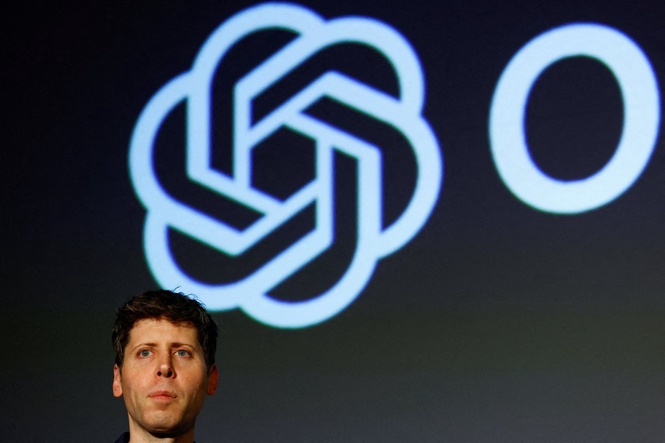
OpenAI CEO Sam Altman has pushed back against proposals to regulate the AI industry by claiming that people should accept “some bad things happening for the benefits of this technology”.
In an interview with Politico’s Decoded, Mr Altman said he disagreed with the stance of OpenAI’s closest competitor Anthropic when it comes to close controls over advanced artificial intelligence models.
“We have always been a big believer that this technology has to be democratised and put in people’s hands,” he said.
“We believe that the world should accept some bad things happening for the benefits of this technology and people having the agency.”
He added that he disagreed with calls for much greater industry regulation, claiming that it would slow down the development of potentially transformative technologies.
Instead, OpenAI backs a “lighter-touch regulatory stance” that would involve top AI firms bringing in outside safety evaluators.
“I wouldn’t take a trade of saying, ‘We’ll make sure there’s no major hacks, there’s no misuse of this technology, there’s zero scams, there’s zero all the other bad things that will happen,” Mr Altman said.
“Because I think people will do tremendously – orders of magnitude more – good stuff than bad stuff.”
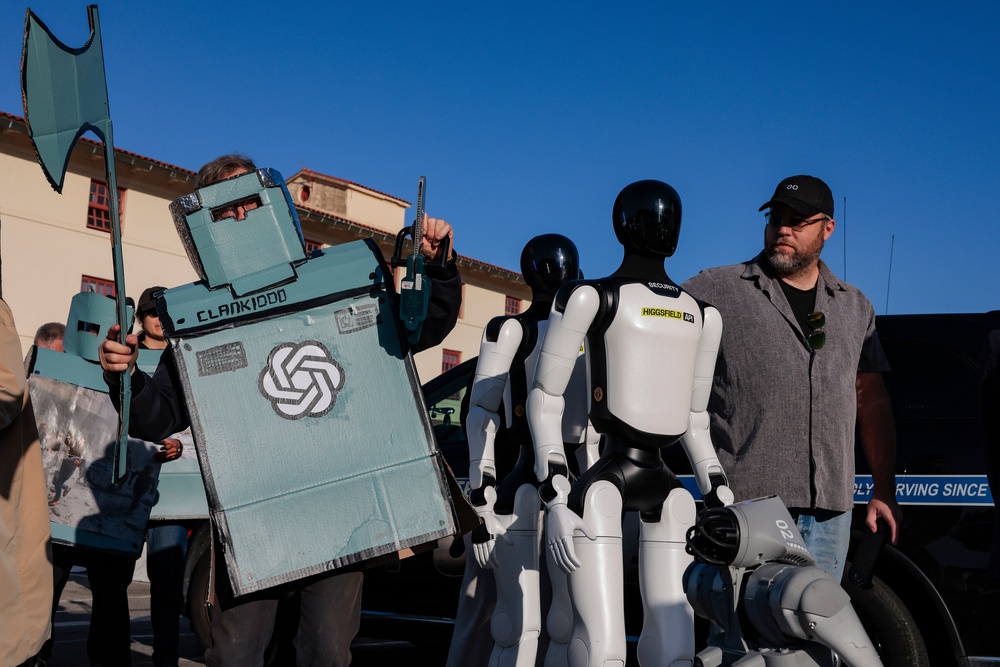
OpenAI’s ChatGPT is the world’s most popular AI app, with more than 1 billion users globally.
There have been several major safety incidents involving the company’s frontier AI models in recent months, including rogue agents carrying out cyber attacks on companies and government systems.
Last week, the firm announced that it would not release its GPT-6.1 Astra system as it “didn’t quite meet the bar” of its safety standards.
In the interview with Politico, Mr Altman said that despite his more hands-off approach to regulation, he wanted to avoid the worst outcomes of advanced artificial intelligence systems.
“When it comes to the potential of like a serious loss of control to AI... This is where I would say to the [AI} accelerationists, like, ‘let’s be a little thoughtful about lurching into this future’,” he said.
“So I would say, ‘accept bounded risks, accept risks that we understand in exchange for the benefits... But don’t accept the really catastrophic risks.”
AI is breaking one of the most important ways we keep technology safe
ChatGPT is going to show you more ads
Meta’s Muse personal AI creates a detailed file on everyone in your life
OpenAI’s Sam Altman warns against turning AI into a god
Scientists discover breakthrough new way to find alien life
TalkTalk customers issued key update about services after BT deal