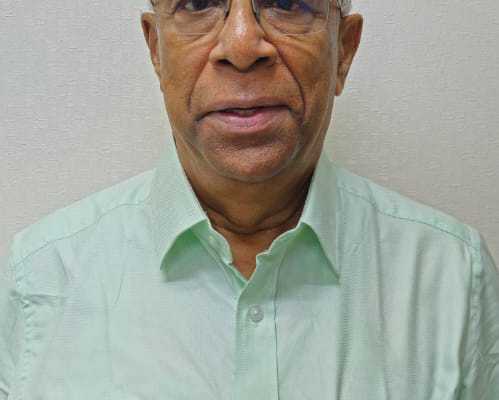
M.Krishnamoorthy
A media coach, adjunct professor and author
Listening to the people is crucial to ruling a nation efficiently. Prime Minister Anwar Ibrahim has prioritized inclusive Government.
The path to inclusive citizenship regulations requires transparency, collaboration, open dialogue, and a commitment to upholding Malaysia's core values of justice and equality. Here are some ways forward:
Facilitating discussions where all voices can be heard, gathering expert opinions and revising drafts based on feedback demonstrates a willingness to adapt based on public input.
By working together, the government and civil society can find solutions that benefit all Malaysians.
Let’s observe and learn how a department head, electrical engineer, lawyer and pilot amended laws three decades ago.
Tan Sri Zaini Omar took a more collaborative approach in revising and formulating the 1994 Electricity Regulations amendment process, where public feedback was actively sought and incorporated, offering valuable lessons.
In 1994, Tan Sri Zaini Omar, the then-Deputy Director General of the Department of Electricity Supply (JBE), spearheaded the revision of the Electricity Regulations. He wasn't just a bureaucrat but an electrical engineer with a deep understanding of the field.
His technical expertise and legal background (having acquired an LLB) made him uniquely qualified to lead the revision of rules and regulations process.
Unlike the current situation regarding citizenship rules, the 1994 amendment process prioritised public input. The draft regulations were made available for public feedback for a full year.
Tan Sri Zaini and his team of JBE engineers embarked on a nationwide tour, visiting every state capital to hold presentations and Q&A sessions with hundreds of participants. This commitment to open dialogue ensured the revised regulations addressed practical concerns and were widely supported.
The 1994 Electricity Regulations case offers valuable lessons for navigating the current citizenship law debate. By actively seeking public input, engaging with stakeholders, and demonstrating a willingness to adapt based on feedback, the government can build trust and ensure the proposed amendments are fair and effective.
Open discussions with stakeholders, including legal experts, NGOs, and the public, can help ensure the proposed changes are fair and effective and respect all rights.
In 1994, former Deputy Director General (Department of Electricity Supply/JBE) Zaini said: “The draft Electricity Regulations 1994 was made available to the public for one year to gather feedback. Then, I took my team of JBE engineers to every state capital, four of which were there to get feedback on the proposed legislation.
“By then, I had already acquired my LLB and engineering degree. We made our presentations and held Q&A sessions attended by hundreds of participants. These engagements took about six months. We amended the rules after getting feedback. Then, it was sent to the AGC for a gazette. Internally and within the department, we drafted the rules and regulations. There was no problem after it was gazetted.”
Freelance Writer M. Krishnamoorthy (www.imkrishna.net) is a media coach, adjunct professor and undercover journalist. He has freelanced with Bernama, NST, The Star, and Malaysiakini. He also freelances as a fixer/coordinator for CNN, BBC, German and Australian Television networks and the New York Times. As an undercover journalist, he has highlighted society's concerns.
M. Krishnamoorthy is a content creator under the Newswav Creator programme, where you get to express yourself, be a citizen journalist, and at the same time monetize your content & reach millions of users on Newswav. Log in to creator.newswav.com and become a Newswav Creator now!
The User Content (as defined on Newswav Terms of Use) above including the views expressed and media (pictures, videos, citations etc) were submitted & posted by the author. Newswav is solely an aggregation platform that hosts the User Content. If you have any questions about the content, copyright or other issues of the work, please contact Newswav.