

On 19th March 2024, PAS president Abdul Hadi Awang took to Facebook to respond to DAP’s call for a limit on the prime minister’s tenure, claiming that such a proposal goes against God’s will. According to Hadi, many who support the idea have either forgotten or deliberately ignored what he sees as the fundamental principles for success in this world and the hereafter — that Islamic teachings must be the foundation of national leadership. The original text is in the 2nd paragraph of his Facebook post (begins with Hal ini) in which he states “Hal ini demikian kerana, tanggungjawab tersebut merupakan amanah yang besar daripada Allah. Bukan sekadar membahagikan jawatan atau memberikan kerja dalam tempoh tertentu kepada seseorang untuk meni‘mati jawatan, kemudian digilirkan kepada seseorang yang lain untuk mengambil kesempatan juga. ” For the sake of this article, I shall translate it to English which reads, “This is because leadership is a sacred trust from Allah, not merely a temporary position to be passed around for individuals to enjoy before being handed to the next for personal gain,” he wrote in his post.
He also pointed out that, historically, Islamic caliphs served until their final breath, carrying out their duties with unwavering dedication. He stated this on the 6th paragraph of the Facebook post (begins with Akan tetapi), “Sepanjang sejarah, semua khalifah Islam menjalankan tanggungjawab sebagai pemimpin sehingga akhir hayat mereka” which when translated into English is, “Throughout history, all Islamic caliphs carried out their responsibilities as leaders until the end of their lives.” As citizens of a free and democratic nation, he is entitled to share his views — just as I am. And here’s mine: there are strong, practical reasons why a prime minister’s tenure should be limited to two terms. This isn’t about rejecting religious values, but about ensuring accountability and preventing the abuse of power. In this article, I’ll outline the key reasons why imposing a two-term limit is both necessary and beneficial for our country.
1. Preventing the Consolidation of Power
Extended time in office can lead to the dangerous concentration of power in the hands of a single individual, gradually undermining democratic institutions. History has shown that prolonged leadership often weakens checks and balances, as leaders manipulate systems to secure their position and silence dissent. This erosion of accountability not only threatens democratic norms but also cripples the proper functioning of government.
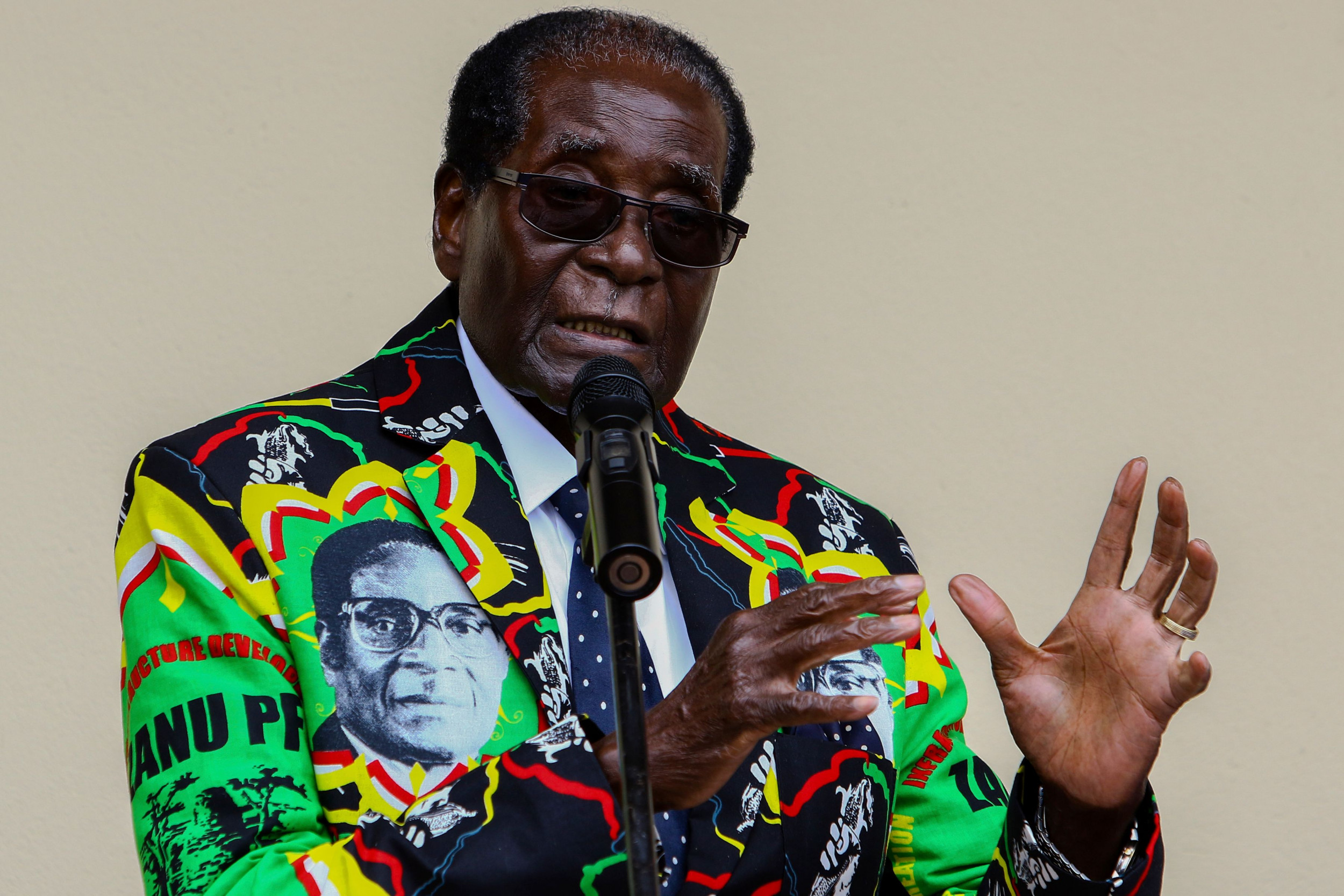
Take Robert Mugabe, for instance — once celebrated as a revolutionary hero who stood against racial injustice and Western imperialism. However, his decades-long rule in Zimbabwe descended into dictatorship, marked by rampant corruption, economic ruin, and institutional decay. At the height of Zimbabwe’s crisis, a loaf of bread cost Z$550 million — and that’s when bread was even available. Mugabe clung to power by rigging elections, suppressing the opposition, and amending the constitution to serve his interests, effectively dismantling any real oversight. Is this the future that Abdul Hadi Awang envisions for Malaysia — a nation where power is hoarded instead of shared, and democracy is slowly hollowed out?
2. Encouraging Political Innovation and Fresh Perspectives
Regular leadership changes introduce new ideas and approaches to governance, fostering innovation and adaptability. When the same individual remains in power for extended periods, policies may become stagnant, and the government may lose touch with evolving societal needs. Term limits ensure that leadership remains dynamic and responsive, promoting policies that reflect current realities and diverse viewpoints.
Think about it this way: Just as seasons come and go, so too should leaders. It’s an inevitable truth of life that one day, we all will pass, and with that, the old ideas we carry with us will fade. The older we get, the harder it becomes to accept new perspectives, and this is why, in a way, it's fortunate that as we age, the outdated views we hold often die with us. Let me put it this way: older generations who hold onto prejudices and racist ideologies eventually pass on, making way for younger generations with fresher, more inclusive worldviews. Similarly, limiting the prime minister’s tenure to two terms allows for the "death" of an incumbent’s premiership, but with that, comes the "birth" of new leadership—ideas that resonate with the new generation of voters. Just as winter gives way to spring, the end of a leader’s time in office paves the way for renewal, growth, and change. Isn’t that a beautiful thing?
3. Reducing the Severity of Corruption and Promoting Accountability
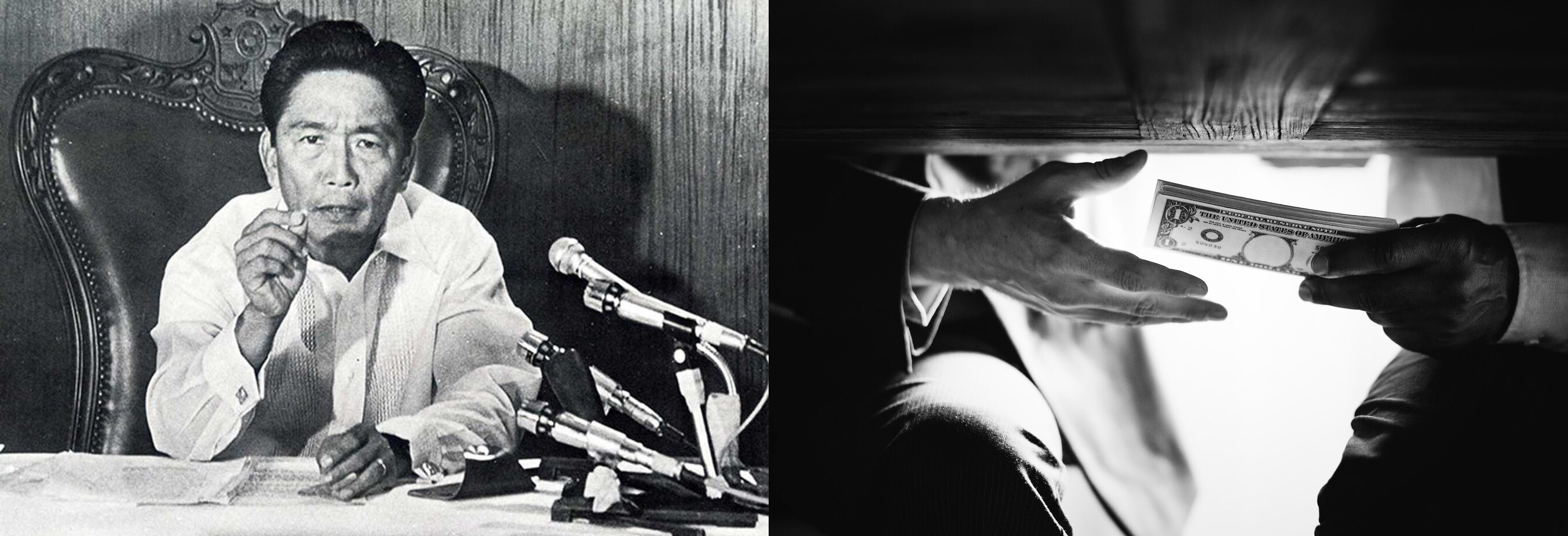
Prolonged tenures can increase opportunities for corruption, as leaders may exploit their extended time in power for personal gain. Term limits can mitigate this risk by reducing the duration individuals have to engage in corrupt practices. Studies have found that while term limits may increase the incidence of corruption in the short term, they reduce its severity and overall impact on economic growth. This suggests that term limits serve as a check on corrupt behavior, promoting accountability and public trust in government.
One notable example of how prolonged tenure can lead to corruption is the case of Ferdinand Marcos, the former president of the Philippines. Marcos ruled for over 20 years, from 1965 to 1986, under a regime marked by widespread corruption, abuse of power, and human rights violations. His extended time in office allowed him to amass an estimated $5–10 billion in ill-gotten wealth, which was largely hidden in offshore accounts and various assets across the globe. He manipulated laws, including declaring martial law in 1972, to extend his presidency and suppress political opposition. This concentration of power enabled him and his family to control key sectors of the economy, divert public funds, and maintain an authoritarian grip on the country. Marcos's regime eventually collapsed due to a popular uprising, exposing the scale of his corruption.
As we reflect on the proposal to limit the prime minister’s term, it’s crucial to consider the potential consequences of allowing a leader to remain in power indefinitely. While Abdul Hadi Awang is entitled to express his views, we must also acknowledge that any rational person in a democratic country would recognize the importance of term limits for a leader. Such limits are not a rejection of leadership but a safeguard to prevent the concentration of power, protect democratic norms, and promote accountability. Without term limits, a leader has the opportunity to manipulate the system to entrench their rule, which undermines the very foundation of democracy.
By encouraging regular leadership changes, we create space for fresh perspectives and innovative ideas that reflect the evolving needs of society. A leader’s prolonged tenure risks stagnation and may lead to the entrenchment of outdated views. In contrast, a two-term limit allows for the “death” of old political ideologies and the “birth” of new leadership, ensuring a dynamic, responsive government. This renewal is essential for a country’s growth and progress.
Unless, of course, Mr. Abdul Hadi Awang wishes for Malaysia to be ruled by a dictator. Because without term limits, that’s exactly what we risk: a concentration of power in one individual’s hands, unchallenged and unchecked. As Lord Acton wisely warned, "Power tends to corrupt, and absolute power corrupts absolutely." Let us not forget that the preservation of democracy depends on keeping power in check.
Note: PAS once supported a similar proposal back in 1999, when it was part of the Barisan Alternatif coalition alongside DAP, Parti Keadilan Nasional (now PKR), and Parti Rakyat Malaysia. That same year, in November, Abdul Hadi Awang was appointed as the Menteri Besar of Terengganu after PAS emerged victorious from the 1999 election. PAS had also reaffirmed their support for the term limit before the 2004 general election, even after DAP left the coalition in 2001.
Aaron Colt is a content creator under the Newswav Creator programme, where you get to express yourself, be a citizen journalist, and at the same time monetize your content & reach millions of users on Newswav. Log in to creator.newswav.com and become a Newswav Creator now!
The User Content (as defined on Newswav Terms of Use) above including the views expressed and media (pictures, videos, citations etc) were submitted & posted by the author. Newswav is solely an aggregation platform that hosts the User Content. If you have any questions about the content, copyright or other issues of the work, please contact Newswav.
