

Have Malaysia’s royals just shown more social unity than its politicians during the festive season? In late December 2025, the Sultan of Selangor, Sultan Sharafuddin Idris Shah, and the Tengku Permaisuri of Selangor, Tengku Permaisuri Norashikin, extended warm Christmas greetings to Christians across the state and nation, highlighting unity and mutual respect in a time of rising religious and political tensions. Their message captured attention, not just for its tone but for who didn’t make noise in the spotlight Datuk Dr. Muhamad Akmal Saleh, the outspoken Umno Youth chief, whose recent controversies have raised questions about leadership, social harmony, and where he fits in Malaysia’s festive narrative. (Marketing Magazine Asia)
This feature explores why a royal Christmas message matters in Malaysia’s multicultural landscape, examines the contrasting silences and statements from political figures like Akmal, and invites you to rethink what leadership looks like in a diverse society.
An Unassuming Royal Message With a Big Point
On December 24, 2025, the Selangor Royal Office published a Christmas greeting that was measured, respectful, and explicitly inclusive. The Sultan and Tengku Permaisuri wished Christians throughout Malaysia joy and unity during the festive season. Their message explicitly framed Christmas as a celebration of shared values like gratitude, peace, and community solidarity. (Marketing Magazine Asia)
What made this note newsworthy was not just the content, but its context. Malaysia’s federal and state leaders often extend holiday greetings, but royal messages carry a unique cultural weight. The monarchy in Malay states like Selangor symbolizes unity above partisan politics. When the Sultan spoke of love and mutual respect transcending doctrine, it was a subtle call for coexistence at a moment when social discourse around religion remains sensitive.
For many Malaysians, royal words still resonate differently than political rhetoric. The monarchy can articulate values without being reduced to political maneuvering. In a country where religion, race, and identity often overlap with politics, a royal message that embraces diversity squarely challenges divisive narratives even unintentionally.
Malaysia at Christmas: A Test of Plural Identity
Malaysia marks Christmas differently than Western countries. It is not a public holiday for all citizens, but Christians (about 9.3 percent of the population) celebrate it as both cultural and religious observance. Many non‑Christian Malaysians also participate in festive practices, especially in urban centres, as part of shared national life.
In 2025, Christmas decorations and greetings became focal points of social discourse. The Melaka Islamic Religious Affairs Department reportedly issued a circular advising halal‑certified eateries and hotels not to display Christmas decorations, drawing criticism from some civil leaders who argued that such circulars unfairly restrict freedom of expression. Datuk Dr. Muhamad Akmal Saleh, leader of Umno Youth, publicly urged the department to reconsider, emphasizing that decorations do not affect halal certification or faith practice. (WORLD OF BUZZ)
This debate shows how public celebrations can become battlegrounds for broader cultural questions. Are multicultural expressions celebrated or constrained? Who gets to decide what is acceptable in public spaces? And why do some voices dominate while others stay silent?
Politics, Protest, and Personality: Where Is Akmal?
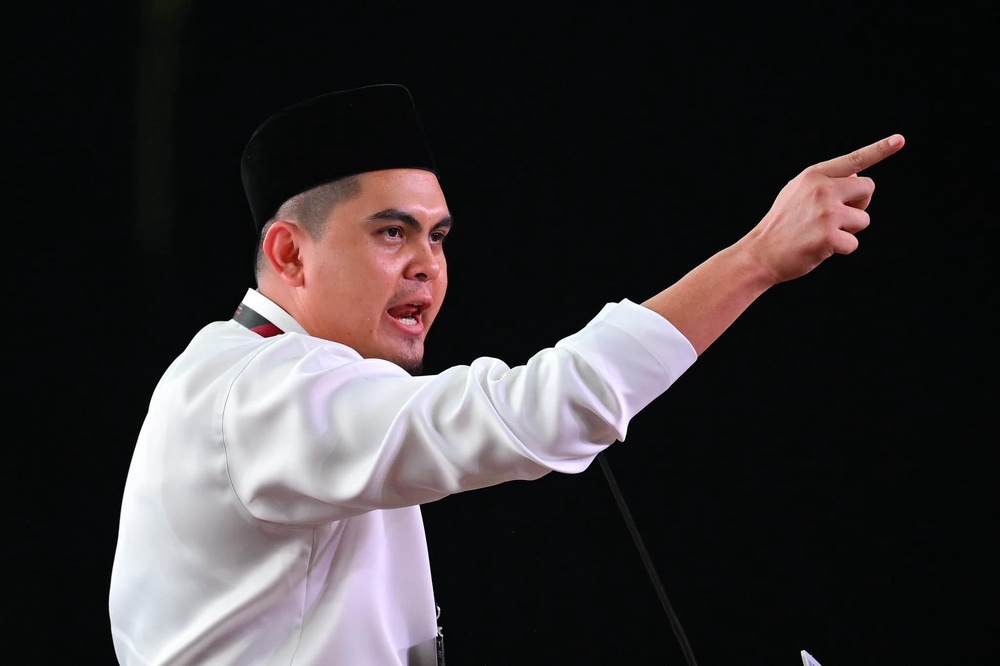
Right now, the question “Where is Akmal?” is not a literal missing‑person case. It refers to the notable absence of sustained, constructive contributions from Datuk Dr. Muhamad Akmal Saleh in a conversation where Malaysia’s unity and diversity are centre stage. Akmal, a lawyer and politician who heads Umno Youth, has in recent months been embroiled in controversies that have drawn public scrutiny.
In August 2025, Akmal was summoned by Bukit Aman police to give a statement for a protest over the display of the Jalur Gemilang in Kepala Batas, Penang. He was later charged under Section 505(b) of the Penal Code for alleged statements that could disrupt public order. His supporters rallied outside the Bukit Mertajam court, and he appeared defiant, saying he was willing to fight what he saw as defending national honour. (Malay Mail)
Rather than being the face of constructive dialogue about multiculturalism during Christmas, Akmal’s public persona has been shaped by confrontation and legal entanglements. Though he did speak on matters like halal certification and festive decorations, his statements were often critical and framed in conflict terms rather than unity. These positions risk casting him outside the evolving narrative of inclusion that figures like the Sultan and government ministers have recently promoted.
This contrast matters because Malaysia’s political leaders shape public perception on social cohesion. When a prominent youth leader focuses energy on protest and dispute even if legally justified it invites questions about priorities in an era that demands cooperative leadership.
Official Voices on Unity and Festive Greetings
While the Selangor royal family’s message was subtle yet profound, other leaders also stepped forward. Members of the Malaysian cabinet extended Christmas greetings, linking the season to themes of peace, mutual respect, and national unity. Home Minister Datuk Seri Saifuddin Nasution Ismail said the celebration reflects the strength of Malaysia’s diversity, and Communications Minister Datuk Fahmi Fadzil spoke of peace and love as binding forces. (The Sun Malaysia)
Even PAS acknowledged the significance of Christmas, framing it as a moment to protect Malaysia’s harmony with wisdom and sincerity. (Malaysiakini)
These official messages underscore a deliberate emphasis on cohesion. They portray a government and segments of civil society that see Malaysia’s multicultural fabric as a resource rather than a liability.
Why Royalty Still Matters in Social Discourse
Royalty in Malaysia symbolizes continuity and tradition. The Sultan and Tengku Permaisuri’s words during Christmas are rooted in their roles as custodians of heritage and unity. Their messages often touch on universal values caring for neighbours, respecting differences, and fostering peace that resonate across religious and cultural lines without overt political framing.
The Selangor Sultanate also recently engaged in social governance issues, such as urging the Ministry of Health to fix hospital bed shortages and expand clinics to meet the needs of an ageing population. (Malay Mail)
This blend of ceremonial representation and social advocacy deepens the public’s sense of monarchy as a unifying institution, particularly in a society where political discourse can be polarizing.
The Social Media Factor: Public Attention and Viral Dynamics
It’s also important to recognise the role of social media in magnifying certain figures while marginalising others. Royal messages are often shared across platforms with endorsements from ordinary users, giving them viral reach without controversy.
By contrast, political figures like Akmal often garner attention through disputes or provocative statements. Viral debates about halal policy or national symbols drive engagement, but they rarely translate into broad consensus building. The “where is Akmal?” sentiment among some Malaysians reflects a desire for leadership that unites rather than divides in public conversation.
A Broader Cultural Reflection
Malaysia’s Christmas discourse is more than seasonal cheer. It demonstrates how leadership, identity, and respect intersect in daily life. When political energies fixate on conflict, it can overshadow quieter, yet profound, messages that promote tolerance.
Malaysia’s multicultural identity does not dissolve in the face of disagreement. Rather, it demands leadership that balances passion with empathy and robust debate with mutual respect. The Selangor Sultan’s greeting did not shy away from acknowledging differences. It embraced them and invited collective reflection.
That choice matters in building resilient societies, especially in Southeast Asia, where diversity is the norm, not the exception.
What do you think? I’d love to hear your opinion in the comments section.
This Christmas season in Malaysia offered a striking contrast. On one hand, the Sultan and Tengku Permaisuri of Selangor delivered a message that centres unity, shared values, and respect across faiths. On the other, political figures like Dr. Muhamad Akmal Saleh remain entangled in polarising debates and legal controversies, often absent from the inclusive narrative many Malaysians seek.
The difference is not just rhetorical. It reflects deeper questions about leadership in a plural society. Can political leaders rise above activism rooted in conflict to embrace roles that cultivate shared citizenship? Can Malaysians of all backgrounds engage in dialogue that strengthens social bonds rather than frays them?
In a year when messages from Royalty and government ministers alike emphasised unity, Malaysians are reminded that cohesion requires intentional effort from all sectors of society.
AM World (tameer.work88@gmail.com) is a content creator under the Newswav Creator programme, where you get to express yourself, be a citizen journalist, and at the same time monetize your content & reach millions of users on Newswav. Log in to creator.newswav.com and become a Newswav Creator now!
The User Content (as defined on Newswav Terms of Use) above including the views expressed and media (pictures, videos, citations etc) were submitted & posted by the author. Newswav is solely an aggregation platform that hosts the User Content. If you have any questions about the content, copyright or other issues of the work, please contact creator@newswav.com.


