

Recently, there was news that the Executive Officer of GISB Holdings Sdn Bhd (GISBH), Datuk Nasiruddin Mohd Ali, his wife, Datin Azura Md Yusof, and Adib At-Tamimi, the son of Al-Arqam founder Ashaari Muhammad, are among 22 individuals charged in the Selayang Sessions Court for allegedly being members of an organized crime group. All 22 individuals were charged on Wednesday under Section 130V(1) of the Penal Code and could face up to 20 years in prison if found guilty. No pleas were recorded, as the case falls under the jurisdiction of the High Court due to the Security Offences (Special Measures) Act 2012 (SOSMA). The trial is set to take place at the Kuala Lumpur High Court, with the case mention scheduled for December 23.
But today, we're not diving into the details of the ongoing investigations surrounding GISB, which is currently under fire from multiple agencies for alleged involvement in criminal activities like promoting Islamic deviancy, human trafficking, and child sexual exploitation. Instead, we’re going to take a closer look at GISBH, its ties to the banned Al-Arqam movement, and its intriguing history with PAS (Parti Islam Se-Malaysia). Yes, you heard that right—that PAS!
Our story begins with Ustaz Ashaari Muhammad, more commonly known by his moniker, Abuya. Before founding the Al-Arqam movement in 1968, Ashaari was actively involved with PAS for a decade (1958-1968) during the leadership of Dr. Burhanuddin Al-Helmy. His close relationship with Ustaz Mohd Taha bin Sheikh Fadhlullah as-Suhaimi, the PAS Commissioner in Singapore (since 1958), drew him into PAS activities in Selangor. In 1964, he left his position as a government religious teacher at Sekolah Melayu Kampung Teluk Udang, Klang, to run as a PAS candidate in the Bangsar election that same year. He also served on the PAS Youth Central Working Committee, eventually holding the position of Treasurer in 1968.
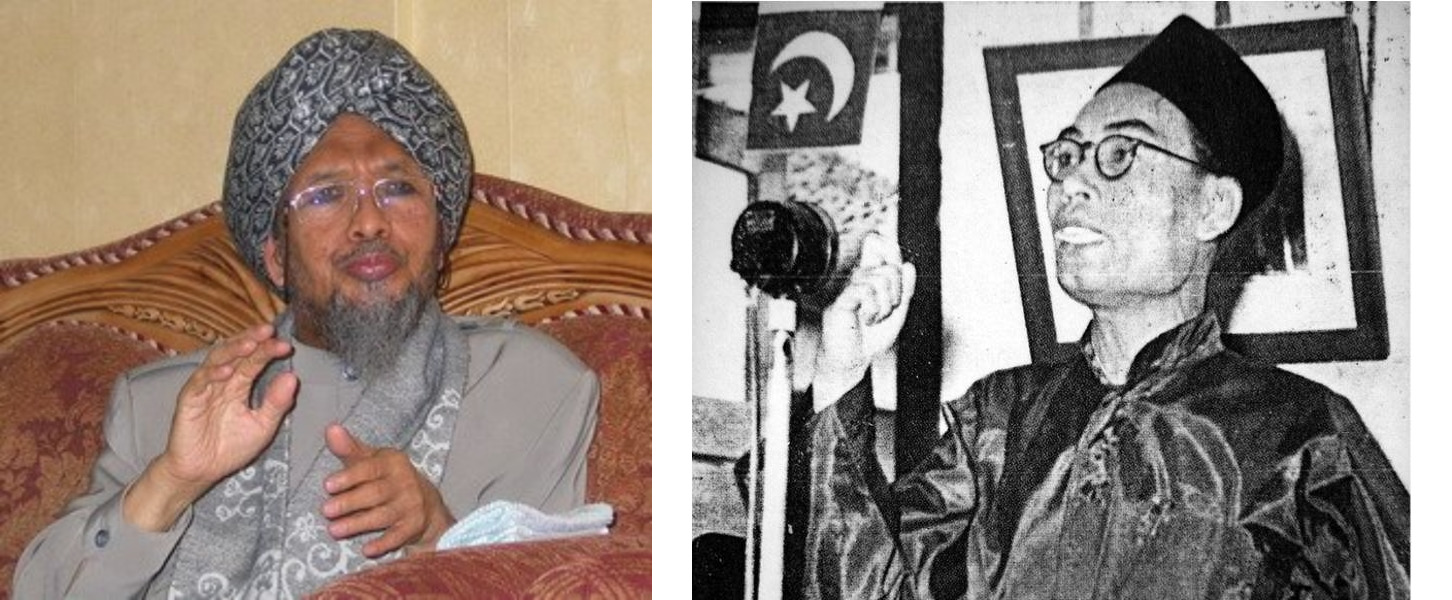
Dissatisfied with PAS's lack of focus on knowledge, Ustaz Ashaari Muhammad decided to form his own movement, initially called Jamaah Muhammadiah, later renamed Al-Arqam after Arqam Abi Arqam, one of Prophet Muhammad's (PBUH) companions. However, an article in Berita PAS offers a different perspective, suggesting that Ustaz Ashaari was unhappy with PAS's overwhelming focus on politics, which he felt neglected the economic aspects of their struggle. Al-Arqam eventually prioritized economic development as a core agenda.
After losing in the 1964 General Election in Bangsar, Kuala Lumpur, Ustaz Ashaari began gathering like-minded individuals at a white house in Keramat, Kuala Lumpur, which became known as "Rumah Putih" (White House). The movement started with just 10 to 12 members in 1968. By 1976, the group's numbers had grown to 40, and by 1987, its followers reportedly numbered in the tens of thousands globally. It is worth noting that within its first two years, the group faced backlash and accusations of spreading deviant Islamic teachings, yet it still attracted a number of young Malays at the time.
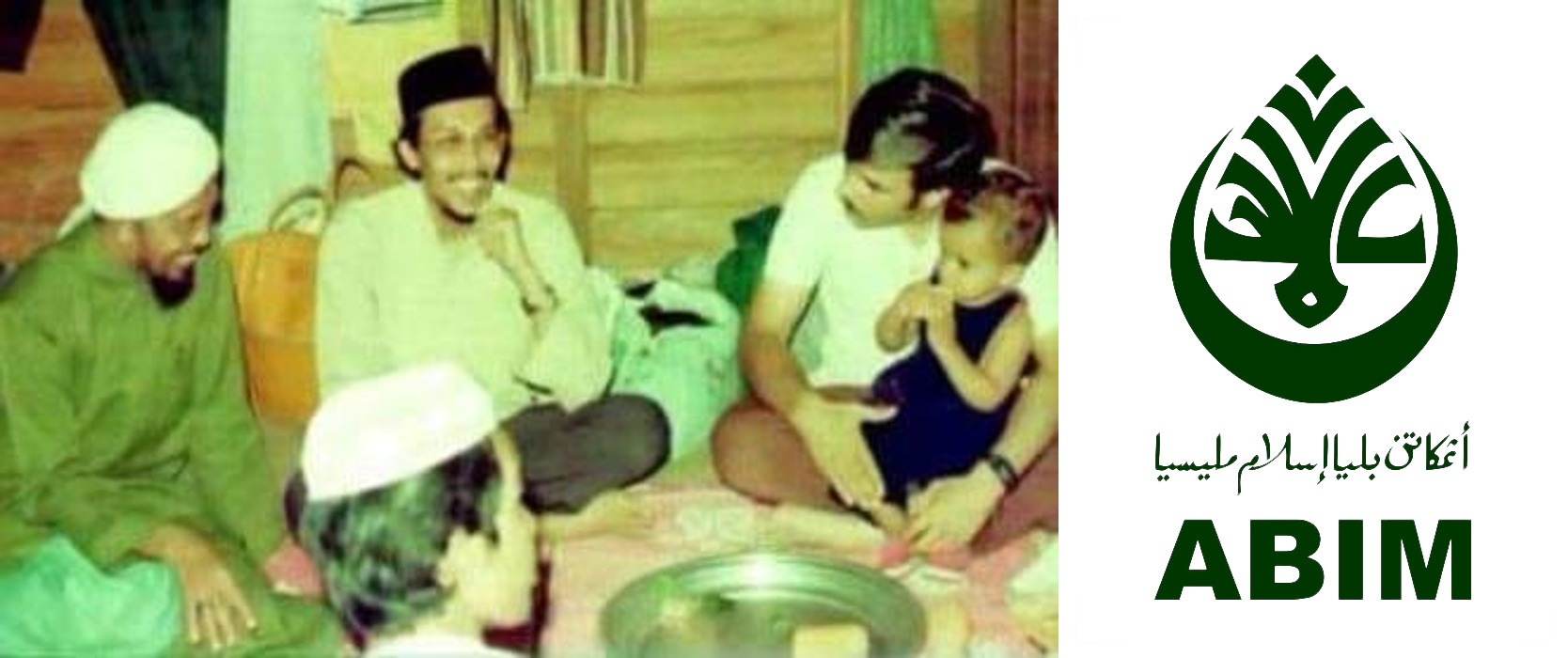
In 1972, Ustaz Ashaari, better known as Abuya, established an Islamic village in Sungai Penchala, Selangor, on a five-hectare plot of land that he and his companions purchased. The village was built with a mosque, dormitories, a school, houses, and shops, all adhering to Islamic principles. This village became the headquarters for Darul Arqam's activities, and the group also began publishing materials to spread its teachings. They later aligned with the Malaysian Islamic Youth Movement (ABIM), though Ustaz Ashaari declined an offer to become ABIM's president.
Al-Arqam saw significant success in business and economics. Within 20 years, they established 52 grocery stores, 20 mini-markets, 36 bookstores and religious shops, 18 restaurants, and 56 factories across Malaysia. They became particularly successful in producing popular food items like chili sauce and soy sauce, selling even to non-Muslim retailers. Al-Arqam also published a variety of books and magazines, including Al-Arqam, Al-Mukminah, Al-Nasihah, and Al-Munir, although their publication permits were revoked in 1990. The movement also ran health clinics and operated its own legal units.
Before being banned in 1994, Al-Arqam had expanded internationally, forming the Al-Arqam Group of Companies (AGC), which comprised 22 subsidiaries. They even set up an international center in Islamabad, Pakistan, and declared plans for the formation of an Islamic state in both Malaysia and Indonesia. Today, Al-Arqam lives on through Global Ikhwan Sdn Bhd (GISBH), which operates over 800 businesses across 16 countries, including France, Germany, the United Kingdom, China, and Australia. The company specializes in sectors such as tourism, food, media, health, and engineering.
As for PAS and GISBH, on the 5th of October, PAS has reaffirmed that none of its current members or leaders are followers of the doctrines promoted by Global Ikhwan Services and Business Holdings (GISBH), which has been declared deviant in three states. PAS information chief Ahmad Fadhli Shaari clarified that individuals suspected of involvement were former members or leaders who had left the party before becoming active with GISBH. “PAS members are not involved in GISBH. Those involved are individuals who left PAS earlier,” he stated during a press conference following a party event in Selangor.
In conclusion, the shocking revelations surrounding GISBH and its ties to the historical Al-Arqam movement challenge our understanding of the intricate relationships within Malaysian politics and Islamic movements. As investigations unfold, the past connections between figures like Ustaz Ashaari Muhammad and PAS raise critical questions about ideological purity and accountability within these organizations. While PAS has distanced itself from GISBH, the echoes of their shared history remain. This ongoing saga serves as a poignant reminder of the complexities and consequences of religious and political affiliations in Malaysia. As we watch these developments, one must consider what this means for the future of such movements and their influence on society.
Aaron Colt is a content creator under the Newswav Creator programme, where you get to express yourself, be a citizen journalist, and at the same time monetize your content & reach millions of users on Newswav. Log in to creator.newswav.com and become a Newswav Creator now!
The User Content (as defined on Newswav Terms of Use) above including the views expressed and media (pictures, videos, citations etc) were submitted & posted by the author. Newswav is solely an aggregation platform that hosts the User Content. If you have any questions about the content, copyright or other issues of the work, please contact Newswav.
