THE local currency is likely to remain under pressure in the near term as weak domestic growth and a large current account deficit leave the currency more vulnerable to external shocks, ANZ Research said.
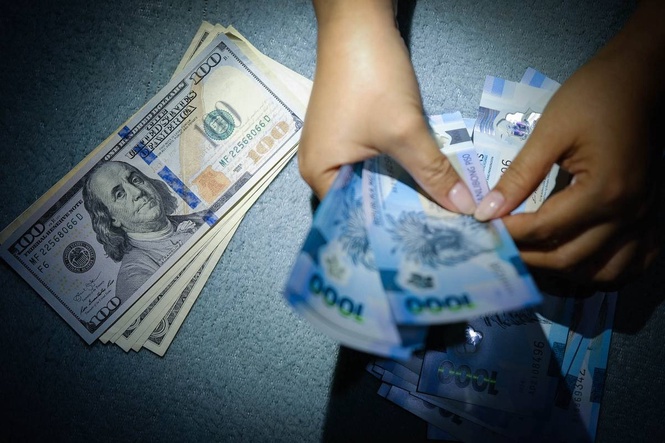
It expects the peso to remain above the P60:$1 level by the end of the Marcos administration, with the currency seen weakening to a record low of P64:$1 in the fourth quarter of this year.
In its latest quarterly report, ANZ said the Philippine peso (PHP) was the only one among three Asian currencies with current account deficits that remained under pressure, while currencies such as the Indonesian rupiah and Indian rupee had benefited from improving investor sentiment and measures to attract capital inflows.
“The Philippines’ weak growth and large current account deficit will continue to weigh on the PHP,” ANZ said.
It expects further near-term weakness in the peso, noting that the Bangko Sentral ng Pilipinas (BSP) appears to have eased back on foreign exchange intervention, with monetary tightening now primarily aimed at anchoring inflation expectations rather than defending the currency.
ANZ said the peso could stay around P63:$1 throughout 2027 before strengthening to P62:$1 by 2028.
The assessment comes as the peso faces renewed pressure from higher global oil prices, elevated US interest rates, and broader concerns over emerging-market currencies.
“Fed tightening, high oil prices, and rising global long-term interest rates are usually external factors that drive significant depreciation pressure on Asian currencies,” ANZ said.
“This was the case when the Middle East conflict escalated in late February, causing broad-based regional currency depreciation,” it added.
ANZ said the Philippines’ external position remains a key vulnerability. It estimated that the country’s current account deficit is running at between 3.5 and 4.0 percent of gross domestic product (GDP), while merchandise trade deficit is averaging around $6 billion.
Although remittances remain healthy, ANZ said they cover only about 45 percent of the trade gap, the lowest share in three years.
ANZ said the Philippines is more externally vulnerable than most other Asian economies because of its sizeable current account deficit.
“The external situation in Indonesia and the Philippines is concerning, characterized by large current account deficits,” the research firm said, adding that funding those deficits on a sustained basis could prove challenging and increase financial market volatility.
This combination of subdued growth and external vulnerability complicates the BSP’s policy choices.
ANZ expects the Philippine central bank to deliver a final 25-basis-point rate hike in the coming quarters.
It said central banks across the region are approaching the end of their tightening cycles, although the Philippines and South Korea are still expected to deliver one more 25-basis-point increase.
“Inflation and external risks continue to constrain the policy outlook despite a higher hurdle to hike,” ANZ said.
The BSP policymaking body Monetary Board has only two meetings left this year. It raised key policy rates last month, bringing rates higher at 5.0 percent.