LENDING has proven to be more resilient than expected, but credit growth will likely slow through 2027 as tighter financial conditions, high inflation and weak economic activity weigh on borrowing demand, a Fitch unit said.
In an Oct. 9 report, BMI raised its forecast for 2026 Philippine credit growth to 10 percent from 8.5 percent previously after outstanding loans expanded by 11.9 percent in August.
“Even so, we expect loan growth to slow towards yearend as tighter financial conditions and weak economic activity dampen demand, before easing further to 9.0 percent by end-2027,” it said.
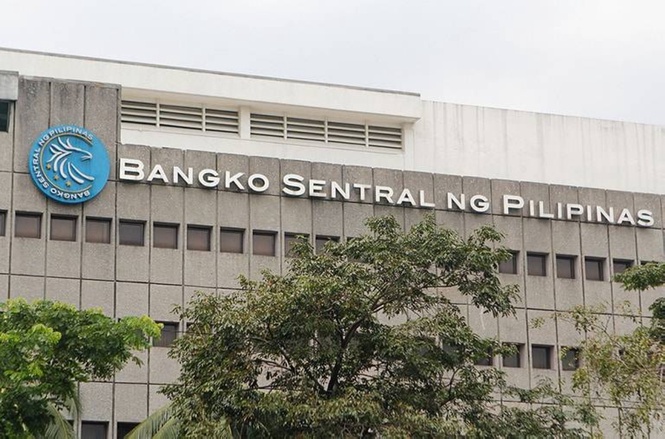
The Bangko Sentral ng Pilipinas’ monetary tightening — prompted by the inflationary impact of the US-Iran war — is expected to increasingly weigh on lending as higher borrowing costs feed through the economy.
The central bank has so far raised key interest rates three times this year and BMI expects another 25-basis-point hike in October to anchor inflation expectations and contain second-round effects.
Rising bond yields and borrowing costs could also prompt banks to tighten lending standards to limit deterioration in credit quality, further constraining credit growth.
Consumer lending, a key source of credit demand, is already showing signs of moderation, BMI said. Elevated food and energy prices are eroding household purchasing power, it added, while higher borrowing costs are dampening consumers’ appetite for new loans.
These pressures are expected to persist into 2027, although recovering construction lending could partly offset the slowdown.
Construction loans contracted last year as a massive flood control project scandal slowed public capital spending and curtailed loan approvals. BMI, however, expects lending to pick up as scrutiny eases and delayed projects resume.
Meanwhile, loan quality is likely to remain under pressure as elevated inflation and high unemployment strain household finances, weakening borrowers’ ability to service their debts and increasing delinquencies.
The gross nonperforming loan ratio has remained at around 3.4 percent, above the 2.6-percent average recorded in the decade before the pandemic. BMI said rapid loan growth had so far masked the rising stock of bad debt, but this support would fade as credit growth slows.
“Overall, financial stability risks have risen due to a softer macro backdrop but they remain contained,” BMI said, citing robust banking-sector liquidity and capital buffers.
The banking sector’s capital adequacy ratio stood at 15.2 percent in the second quarter, comfortably above the 10-percent regulatory minimum. However, BMI warned that the ratio had declined in recent quarters and warranted close attention if the downward trend continued in the second half of 2026 and throughout 2027.