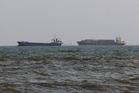
MANILA - Philippine authorities are arranging the repatriation of 14 Filipino seafarers who survived a deadly attack on the Saudi-flagged tanker Sidr near the Strait of Hormuz.
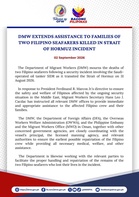
The Department of Migrant Workers said all 16 crew members aboard the crude oil tanker were Filipino. Migrant Workers Secretary Hans Leo Cacdac said the vessel was hit by unidentified projectiles late Aug. 31, starting a fire that the crew contained, but two seafarers were killed.
The remains of the two fatalities were brought to Oman, while the 14 surviving crew members were safe and arrangements were underway for their return to the Philippines. Cacdac said the DMW and the Overseas Workers Welfare Administration were also arranging assistance for the families of those killed.
Saudi shipping company Bahri separately confirmed the two Filipino deaths and said the incident involving Sidr, IMO No. 9854715, occurred at about 11:40 p.m. local time on Aug. 31 while the vessel was transiting the Strait of Hormuz.
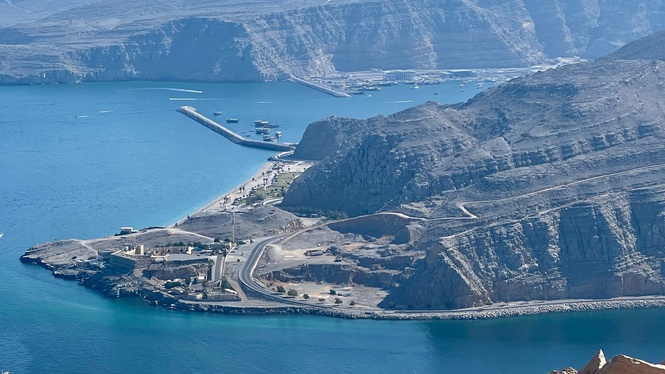
The International Maritime Organization’s incident record lists Sidr as damaged 17 nautical miles east of Khasab, Oman, with two seafarer fatalities and no pollution reported. Saudi Arabia’s Foreign Ministry later accused Iran of targeting Sidr while the vessel was passing through the strait. The ministry also called for de-escalation and protection of international navigation.
Cacdac said 31 vessels carrying 421 Filipino seafarers had been attacked in incidents involving ships entering or leaving the Strait of Hormuz since Feb. 28. Of those seafarers, 268 had returned to the Philippines, while the DMW estimated about 3,000 Filipinos remained aboard vessels in the wider Persian Gulf.
The deaths follow earlier attacks affecting migrant crews in the region. In March, 20 crew members were rescued and three were initially missing after the Thai cargo vessel Mayuree Naree was attacked near the strait. The IMO now records three seafarer fatalities from that incident.
Cacdac said shipowners must carry out voyage risk assessments and security preparations and recognize Filipino seafarers’ right to refuse voyages into high-risk waters.
“Right to refuse sailing, that must be honored,” Cacdac said. “We’re thankful for the assistance they are providing the families, but nothing beats prevention,” he added.