

Every year, the August bank holiday has an absurdly frenetic energy – a last hoorah type of party that sees even those begging for the mercy of autumn pulled back onto the dancefloor by those who refuse to accept the warmer weather’s jig is almost up. Soon, it’ll be long nights and (whisper it) Christmas – but it’s not all over yet: free day parties in Hackney, the 60th anniversary of Notting Hill Carnival, a double-billing of Tyler, the Creator at All Points East and Maribou State at Lido festival are reigniting the summer spirit in London alone.
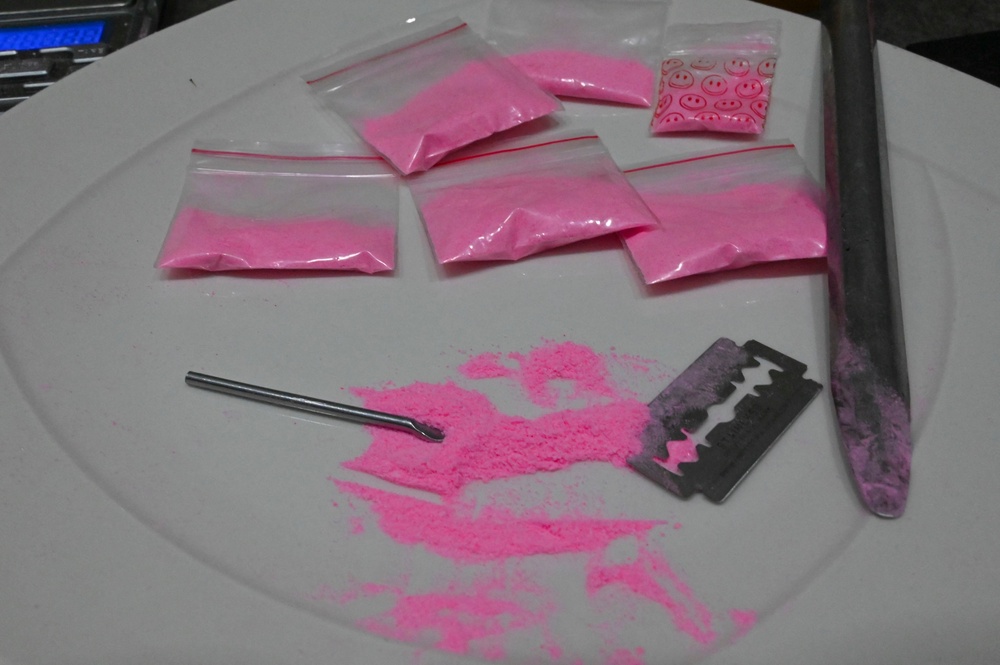
As such, the final bank holiday until December is always accompanied by something else, too: warning messages about drugs, each year seemingly more supersonic than the last. This year’s highlights include: pink cocaine (a mixture of ketamine, MDMA and pink colouring), a new-ish form of ketamine, called 2-Fluorodeschloroketamine, and high-potency ecstasy.
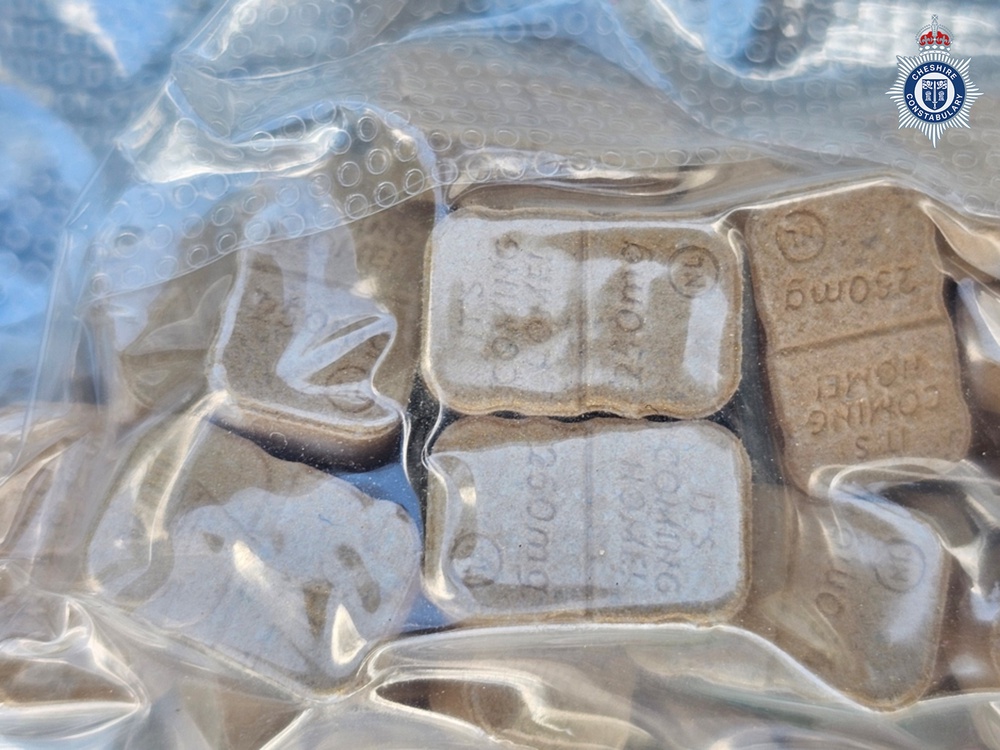
Ahead of this year’s Creamfields festival in Cheshire, police dug up 204 canisters of laughing gas, MDMA and ketamine while searching the grounds. The superintendent in charge of the operation said he expected to find more drugs below ground as the dig continued, adding dealers would be “very disappointed” to find their products had vanished from the site.
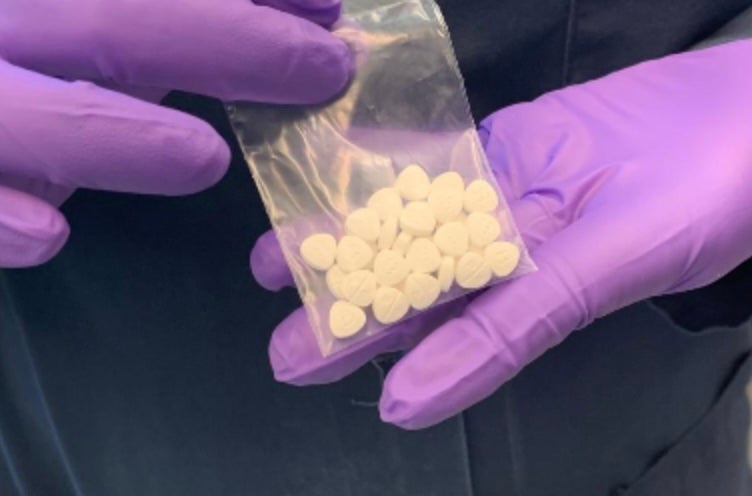
So, are party drugs getting stronger year on year? Dr Caroline Copeland, senior lecturer in Pharmacology and Toxicology at King’s College London, and director of the UK’s National Programme on Substance Use Mortality (NPSUM), says not exactly. “MDMA is like alcohol. So, the potency doesn’t change, but a tablet can have more MDMA in it than usual.”
Instead, substances are hitting harder due to the increasing number of ingredients frequently mixed into party drugs. “On the database I run, we’ve seen the average number of substances detected increase from two or three in the mid-2000s to five or six substances on average today. So, polydrug use is definitely going up, which is more dangerous.”
“You just don’t know what’s in it” is a common cry from parents attempting to dissuade young people from recreational drug use. From her research, Copeland has some idea: she’s seen cocaine commonly cut with the anti-worming agent levamisole, which has been linked to cancer, and illicit vapes laced with anaesthetics, which can cause abnormal heart rhythms.
A new, particularly troubling, rumour is that nitazenes – a class of synthetic opioid 500 times stronger than heroin– could find their way into party drugs, thus potentially leading naive users, unaware they’re ingesting a substance far stronger than fentanyl, towards a fatal overdose.
“It’s a huge concern for the sector,” says Ruth Squire, who oversees the youth drug and alcohol harm reduction service, 1625 Outreach, for the social charity Change Grow Live.
MDMA is like alcohol. So, the potency doesn’t change but a tablet can have more MDMA in it than usual
“Currently, synthetic opioids like nitazines are being found more in opiate use, like heroin. However, there is a fear in the field that this will start to impact the wider market. We’re not seeing too much of that on the ground yet, but I think the risk is a real concern.”
Synthetics are increasingly appealing to drug gangs – and Copeland concurs the market is about to see much more of them. “Cartels are realising that, for naturally occurring products like the opium poppy, cocoa plants, cannabis, you need land, good weather, cultivation techniques, farming equipment and the products themselves are very bulky, so if you’re trying to traffic them, they’re much more difficult to hide.”
As synthetic substances are astronomically more potent, gangs don’t need to make as much, which is cheaper. “You also don’t have as large a quantity to smuggle,” Copeland notes. “You could put one gram in 100 greeting cards, and if 99 of them get intercepted at the border, even if only one gets through, that gram could be diluted into 1,000 doses. When you have a change like that in the market, combined with higher demand, that can lead to bad mixing on behalf of the drug gangs.” Next thing you know, supersonic tablets.
When it comes to the end user mixing substances, Copeland says there are broadly three scenarios that are “very bad”: Taking multiple depressants together, which can cause respiratory depression; taking multiple stimulants together, which can cause serotonin syndrome or cardiac toxicity; and taking a mix of uppers and downers. “Then you’re hitting the brake and accelerator at the same time,” she says. “If you did that to a car, you’d break it. So, if you’re making both systems go, that’s a recipe for a physiological crisis.”
People are buying one substance and it’s actually something else entirely
Alongside the challenge of this synthetic cocktail comes the issue of marketing. Much like how colourful, fruit-flavoured vapes have been declared the “kiddification” of smoking, drug gangs have worked out that if you dye these party powders pink and scent them strawberry, then they’re much more likely to reel in the otherwise health-conscious next generation of ravers.
“Pink cocaine is very Instagram-ready,” says Copeland of the polydrug reportedly found in One Direction singer Liam Payne’s system after he fell to his death from a third-floor balcony in Argentina in 2024. “Its core components would only cost around £20-£30 a gram, but they’re selling it for £130-£150. So, it’s being marketed as more expensive – and a fun product.”
“There was apple-flavoured ketamine at a festival we worked at,” adds Squire, of the novelty products making their way into dealers’ offerings to attract a new audience. “Then you’ve got the edibles area of the drug market, which is absolutely aimed towards children and young people: sweets, crisps, all kinds of things have been laced with synthetic cannabinoids.”
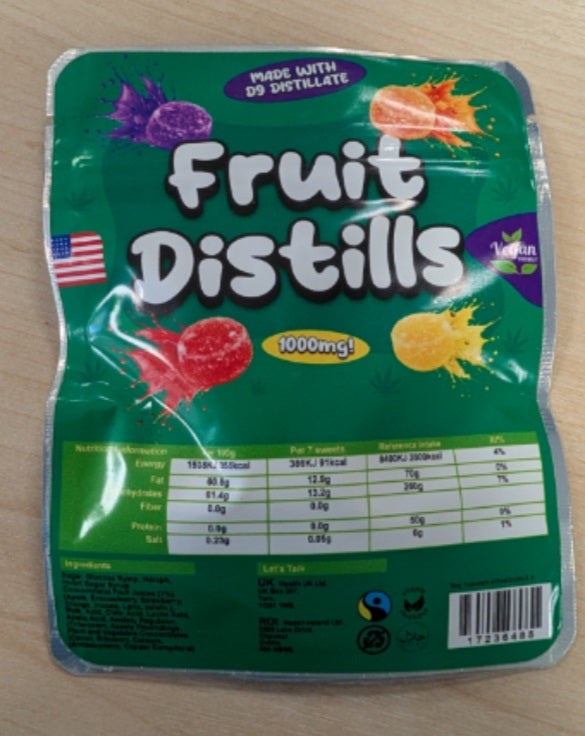
This August, scientists from the University of Bristol found that weed gummies sold on social media contained a potentially fatal quantity of the synthetic cannabinoid spice. Following testing for the substance, which police said they ordinarily encountered in prisons, up to 20 times the average spice dose was found in the colourfully packaged gummies.
In the last year on record, 5,565 people died from drug poisoning in England and Wales – the highest number since records began in 1993, with drug experts branding the figures a “national scandal”. This included 195 people who died after taking nitazenes, including 21-year-old musician Dylan Rocha, who received drugs laced with the opioid in the post.
“People are buying one substance, and it’s actually something else entirely – that’s the main issue we’re seeing in the festival scene and beyond right now,” concludes Squire of this year’s warnings. Additionally, as the number of substances in a dose goes up, certainty over how to treat overdoses in the event something goes wrong inevitably comes down.
Many people taking drugs at UK festivals across the country this coming weekend will be doing so for the first time. Much like with alcohol, the effects on so-called naive users are markedly more impactful than a seasoned user. “Visit your harm reduction service at the festival site,” urges Squire. “You’re not going to be criminalised – it’s just transparent advice… Start low, go slow. Check in with your friends. If you’re concerned, follow your gut and get help.”
If you or someone you know is suffering from drug addiction, you can seek confidential help and support 24-7 from Frank by calling 0300 123 6600, texting 82111, sending an email or visiting their website here.
Read MoreNotting Hill Carnival belongs on the streets – it should never move to Hyde Park
Seven brilliant bank holiday trips to make the most of your free Monday