THE Philippine National Police (PNP) vowed to intensify conflict-prevention measures in vulnerable localities after renewed efforts to support government peace mechanisms and reconciliation programs.
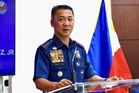
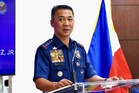
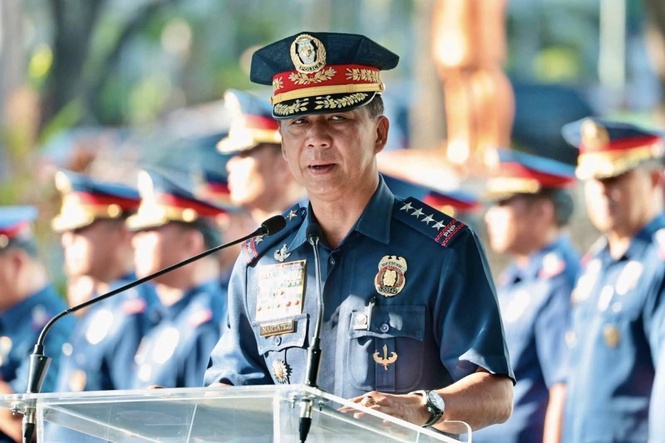
PNP chief Gen. Jose Melencio Nartatez Jr. emphasized the importance of sustaining the government’s peace process gains as the police strengthened its coordination with the Office of the Presidential Adviser on Peace, Reconciliation and Unity (Opapru).
“Peace must be protected and sustained, not simply declared. Our strengthened coordination with OPAPRU allows us to address security concerns early, prevent isolated incidents from escalating, and ensure that the gains of the peace process translate into lasting safety for our communities,” Nartatez said in a statement on Sunday.
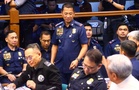
The PNP’s renewed push for community-level security measures followed a meeting with Opapru officials led by Deputy Presidential Adviser Jonathan Ferdinand Miano last Nov. 5.
The PNP’s role in the peace process includes maintaining public order, monitoring security developments, and protecting residents in areas where peace agreements are being implemented. Its coordination with Opapru is intended to complement these responsibilities and ensure that local police units remain engaged in preventing conflict.
During the courtesy visit, both sides discussed the PNP’s accomplishments and ways to strengthen its support for government peace and reconciliation initiatives.
Key concerns included monitoring hostilities involving Peace-Inclined Armed Groups. The discussions also covered implementing existing peace agreements and the Ad Hoc Joint Action Group, which coordinates security-related concerns that could affect the peace process.
Another priority was the surrender and proper accounting of firearms under existing peace mechanisms. Documentation and monitoring of these weapons are important in preventing their unauthorized use and reducing the risk of renewed violence.
Nartatez directed concerned police commanders to strengthen police visibility and patrol operations in former conflict areas, particularly in communities vulnerable to renewed armed hostilities.
He also called for closer coordination with local government units, community leaders, and other stakeholders to improve early warning and conflict prevention mechanisms.
“Our communities can count on the PNP to remain present, vigilant, and responsive. We will strengthen police visibility, intensify coordination with local leaders, and act promptly on threats to ensure that no community is left vulnerable to violence,” he said.