THE Philippines can cope with a looming El Niño crisis by starting early. We cannot afford to just muddle through this looming crisis, which is the default mode of our government when faced with a gargantuan problem. Or worse, burying our head in the sand.
Many lives and property are at stake if we are not prepared for what some call a “hellish summer” in 2027.
We must act early on water conservation, protect agriculture, boost local preparedness, and use integrated climate forecasts to plan for both drought and sudden floods. A very strong El Niño is already under way, with 41 provinces in rainfall deficit and drought expected to spread nationwide into early 2027. Thus, proactive measures are urgent and needed now.
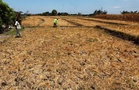
Scientifically, what do we know so far? Very strong El Niño through early 2027 is forecast, with sea surface temperature anomalies peaking at +3.3 degrees Celsius to +3.6 degrees Celsius. Rainfall deficits will intensify, with up to 85 provinces affected by January 2027 and way-below-normal rainfall nationwide by February. The crisis will unfold in two phases: floods, which we had seen from July-September 2026 followed by drought (October 2026-May 2027). Heat indices may reach 52-55 degrees Celsius, with risks of heat-related deaths.
We also need aggressive water conservation campaigns for households and local government units. Flexible water impounding systems must be in place to store rainfall during intermittent wet periods. Thus, the call of President Ferdinand Marcos Jr. to buy big drums and begin conserving water is spot-on. This is also what they do in other countries like Thailand, but the Thai government’s communications team is much more savvy than ours. They have asked reputable scientists to help boost support for this water-conserving measure, with the campaign targeted first at far-flung areas.
We need to prioritize dam management (e.g., Angat, major Visayas/ Mindanao reservoirs) to stabilize supply for Metro Manila and agricultural zones. More solar-powered irrigation systems are required to reduce dependence on hydropower and ensure water access for farms.
As in other Asian countries, we can adjust our planting calendars to avoid the peak drought months (February-April 2027). Authorities have already urged farmers to shift schedules. We also need to promote drought-resistant crop varieties and diversify away from water-intensive crops.
One proposal is to provide cash assistance and livelihood support, especially for women farmers who face disproportionate impacts.
There’s also a need to strengthen post-harvest storage to reduce losses. We have to expect major impacts: agricultural damage already reached P6.87 billion across 14 regions. Hydropower output will drop due to low river flows; some plants (e.g., Bukidnon’s 1.6 MW facility) are already threatened. We must prepare for brownouts as demand rises with extreme heat. We also need to expand solar and wind deployment to reduce reliance on hydropower during drought.
One proposal is to prepare cooling centers and hydration stations as heat indices climb. Localized efforts include the strengthening of disaster risk reduction offices for dual threats: drought and sudden floods from monsoon bursts. In a crisis like this, the most vulnerable groups are the worst affected. We need to monitor them — farmers, fisherfolk, and low-income households — since over 109 million people would be affected.
What we can do nowWe must encourage people to store water early, since rationing of water should be expected in many cities. Electricity use must be reduced during peak hours. Home emergency kits must also be available for both drought and flash floods. We must also support local farmers by buying drought-resilient produce and joining community water-saving initiatives.
Cebu City has released their guidelines for 72 hours of preparedness. They have posted this in social media channels.
We encourage them to translate this into Cebuano for easier communication.
They encourage people to save extra bottles of safe drinking water and some food today, which can help your family through the first three days of an emergency. Gov. Pamela Baricuatro and the Cebu government, through the Provincial Disaster Risk Reduction and Management Office (PDRRMO), are encouraging households to prepare early.
– Store safe drinking water and build up your food supplies a little at a time.
– Put together an emergency kit with essentials for 72 hours.
– Keep important documents in a waterproof pouch and set aside a little cash if you can.
– Grow vegetables or other food crops if you have space at home.
Start with what you already have. Preparing a little at a time can make a difference when your family needs it most. The clock is already ticking.