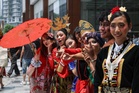
Kota Kinabalu: Tourism and cultural stakeholders are strengthening efforts to preserve the authenticity of traditional Rungus attire and dance as Sabah continues to promote its indigenous heritage as a key tourism attraction.
The initiative brings together government agencies, tourism operators, cultural practitioners and local communities to ensure traditional customs are presented accurately and passed on to future generations without losing their original meaning.
Speaking at the recent Kursus Pemurnian Pakaian dan Tarian Etnik Rungus at Mari Mari Cultural Village, Sabah Tourism Board Chief Executive Officer Julinus Jeffery Jimit said safeguarding indigenous traditions is essential to maintaining Sabah’s cultural identity while strengthening the state’s reputation for authentic cultural tourism.
He said preserving cultural heritage requires continuous collaboration among stakeholders to ensure traditional knowledge and practices remain intact despite the growing demand for cultural tourism experiences.
The programme, organised by Mari Mari Cultural Village in collaboration with the Sabah Tourism Board, Jabatan Kebudayaan dan Kesenian Negara (JKKN) Sabah, Ritmabayu Dancers and the Kampung Kobuni community, served as one of the efforts to reinforce those objectives.
More than 45 participants, comprising cultural practitioners, performers, tourism industry representatives, students and members of the public, took part in the two-day programme, which focused on the proper presentation of traditional Rungus attire and the Mongigol Sumundai dance.
Participants learned about the significance of each component of the traditional costume, its craftsmanship and the correct way of wearing the attire.
They also underwent practical training on the history, etiquette and traditional movements of the Mongigol Sumundai before refining their performance techniques through hands-on sessions.
Programme director Roshamidi Roslie said indigenous traditions should be preserved not only through performances but also through a proper understanding of their cultural significance.
“Our traditional attire and dances are living expressions of the Rungus people’s identity, history and values.
Through this programme, we aim to ensure cultural practitioners not only perform these traditions correctly but also understand the stories and heritage behind them.
“This collaborative effort demonstrates what can be achieved when communities and organisations work together to preserve Sabah’s unique cultural legacy,” he said.
Roshamidi said preserving indigenous heritage requires ongoing education and close cooperation between government agencies, cultural organisations, tourism stakeholders and local communities to ensure traditions remain authentic for future generations.
The programme concluded with a closing ceremony officiated by Inanam Assemblywoman Edna Majimbun.
Mari Mari Cultural Village said it would continue working with its partners to safeguard Sabah’s indigenous heritage, empower local communities and strengthen the state’s position as a leading destination for authentic cultural tourism.