Failure data could help Rapid KL predict LRT breakdowns
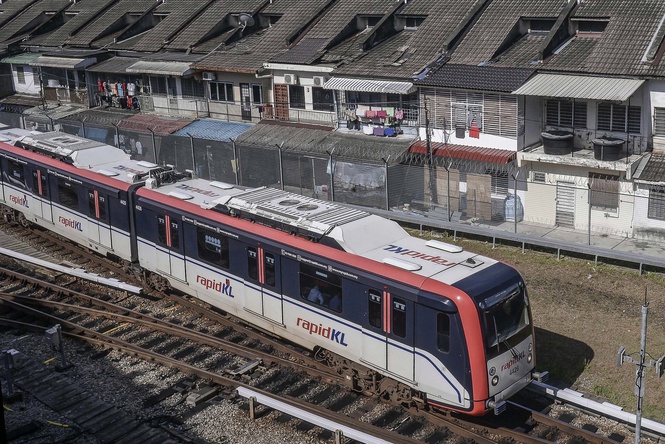
KUALA LUMPUR: An expert has urged Rapid KL to conduct a comprehensive analysis of data and failure patterns to identify potential Light Rail Transit (LRT) system failures early amid repeated disruptions on the Kelana Jaya Line that have affected commuters.
Associate Professor Dr Ng Choy Peng of the Department of Civil Engineering, Faculty of Engineering, Universiti Pertahanan Nasional Malaysia (UPNM), said the measure was important to enable preventive maintenance before breakdowns occur, particularly for components identified as being prone to failure.
She said the condition-based maintenance approach currently in place, which involves monitoring components and carrying out maintenance when signs of wear are detected, may no longer be sufficient given the frequency of the disruptions.
“We need to adopt preventive maintenance, where components are inspected and replaced according to a schedule. We should not wait until the last minute or until a component is about to fail before carrying out maintenance,” she said on Bernama TV’s Malaysia Petang Ini while discussing “Gangguan LRT: Masalah Berulang, Pengguna Terus Resah” (LRT Disruptions: Recurring Problems, Users Remain Concerned) this afternoon.
Ng said the analysis should be followed by efforts to identify the root cause of each malfunction, particularly when disruptions repeatedly involve the same type of train or equipment, stressing that failure to do so could lead to further breakdowns in other components or systems even after repairs.
Ng also recommended that Rapid KL strengthen its maintenance database to monitor the usage levels and service life of each component more systematically.
“This information could help the operator determine when a component needs to be inspected, serviced or replaced, thereby reducing the risk of unexpected breakdowns,” she said.
Ng said the need for such measures had become increasingly important as the Kelana Jaya Line has been in operation since 1998, with train replacement expected to begin in 2029 and be completed by 2031.
She said the waiting period called for more proactive measures to maintain LRT reliability, especially given the system’s widespread use for daily commuting.
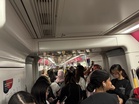
Earlier, several Kelana Jaya Line LRT users took to social media today to express frustration over lengthy waits on platforms after trains failed to arrive as scheduled. This resulted in unusually heavy congestion at several stations, including Masjid Jamek, Dato Keramat, Pasar Seni and Abdullah Hukum, with passengers forming long queues that stretched beyond the station gates.