The odds of a major earthquake striking the San Francisco Bay Area within the next 30 years have increased to 74 percent, according to the U.S. Geological Survey.
A study found that the probability of an earthquake measuring magnitude 6.7 or greater in the region has risen by about 2 percentage points since the previous assessment more than a decade ago, ABC7 San Francisco reports.
The increase is largely due to the amount of time that has passed without a major earthquake, allowing tectonic stress to continue building along the region's active faults, according to the outlet.
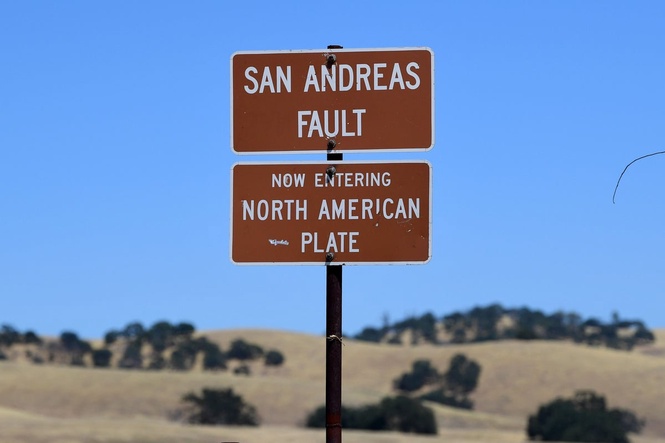
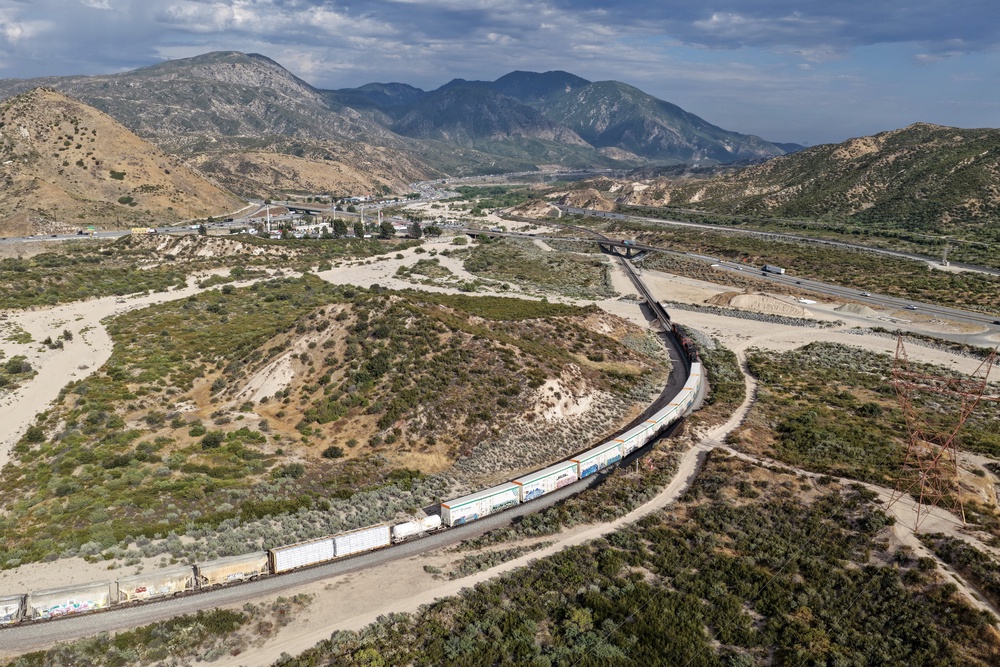
The San Andreas Fault saw the largest increase in its estimated earthquake probability, rising 3.6 percentage points from the previous study. The nearly 800-mile-long crack is the longest in California and is capable of producing some of the state’s largest earthquakes, USGS seismologist Dr. Lucy Jones told ABC7 San Francisco.
Despite the increase, the San Andreas does not have the highest estimated probability of producing a major earthquake in the Bay Area over the next 30 years. That distinction belongs to the nearly 120-mile-long Hayward-Rogers Creek fault system, which has a 34.3 percent probability of producing a major earthquake, according to the updated calculations.
Still, Jones stressed that the timing of earthquakes remains impossible to predict.
"It could go another hundred years, it could be tomorrow. It could be, you know, next minute," Jones told ABC7 San Francisco.
The Hayward-Rogers Creek system runs beneath heavily populated areas of the East Bay, extending from Fremont and Hayward through Oakland and north toward Santa Rosa.
Because the fault system passes through such densely populated communities, a major rupture could have significant consequences across the region.
The worst-case scenario for the Bay Area would involve the Hayward and Rogers Creek faults rupturing together, with the potential to release more than five times the energy of the 1989 magnitude 6.9 Loma Prieta earthquake, the USGS said in a 2017 report. The 1989 quake killed 63 people and caused about $6 billion in damage.
The updated probability calculations come as residents continue to experience smaller earthquakes that serve as reminders of the region's underlying seismic activity.
In August, a small but relatively strong earthquake struck beneath the Oakland Zoo, startling people across the East Bay.
Caitlin Fitzpatrick, who felt the shaking, described the sudden experience.
"Just everything started shaking, and I was like, ‘Wait.’ I jumped up and ran out, and I was like, ‘Was that an earthquake there?’” Fitzpatrick told ABC7 San Francisco. “And then my nephew – he's two and a half – he was like, ‘That was a big one,” she added.
Experts predict El Nino’s dramatic impact on UK weather this winter
Met Office confirms when hot weather will return after a wet weekend
Summer of 2026 named UK’s hottest on record after five heatwaves
Experts explain how UK schools must adapt to heatwaves
Will there be a thunderstorm today? Bank Holiday forecast after UK doused by rain
Fresh thunderstorm warnings issued for 64 areas amid flooding concerns – full list