The death of 16-year-old Irene Sofiya Mohd Khairool Faisal at a secondary school in Yong Peng, Johor, has once again raised concerns over the safety and well-being of students in Malaysian schools.
The case has prompted parents to question whether enough is being done to protect children in schools, while calls have grown for the Ministry of Education Malaysia (MOE) to take stronger measures to prevent similar incidents from happening again.
However, according to Universiti Kebangsaan Malaysia's Institute for Inclusive Development and Advancement of Malaysia deputy director, Dr Anuar Ahmad, addressing such concerns cannot rest solely on the shoulders of the ministry or schools.
He believes the wider education ecosystem, particularly the relationship between parents and teachers, needs to be strengthened if issues affecting students are to be addressed more effectively.
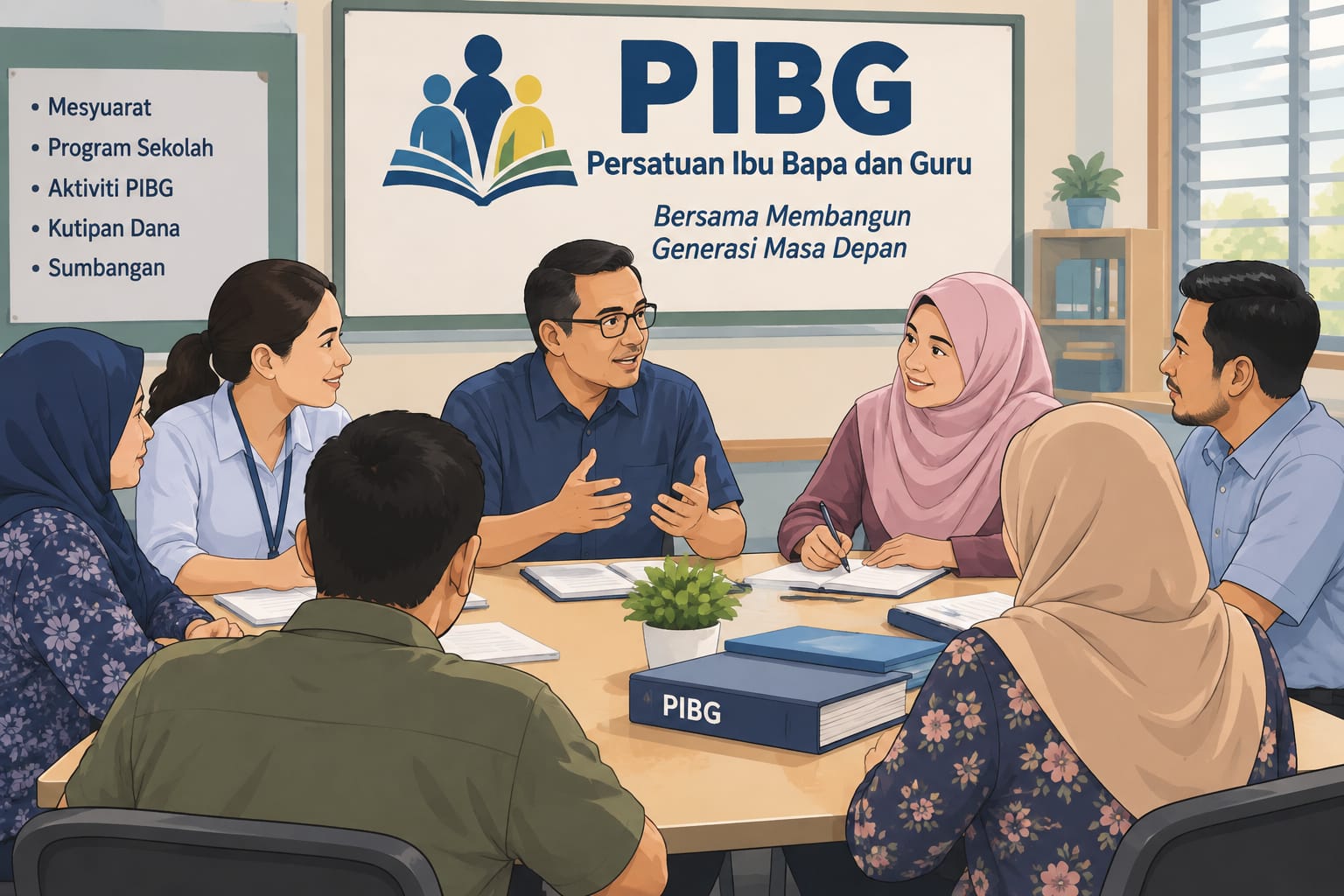
One area that deserves closer attention, he argues, is the role of the Parent-Teacher Association (PIBG).
PIBGs have existed in Malaysian schools for decades, but their functions have often centred on meetings, school programmes, fundraising and other activities. While these remain important, Dr Anuar believes the changing environment in which children are growing up requires PIBGs to take on a more meaningful role.
Children today are exposed to social media, the internet and a vast amount of digital content from an early age. These influences can shape their attitudes, behaviour and perceptions in ways that are not always visible to teachers or parents.
This makes closer cooperation between home and school increasingly important.
Schools, he suggests, should no longer be viewed simply as places where teachers provide academic instruction while parents remain largely on the outside. Instead, both sides need to develop a better understanding of the challenges children face, including issues related to behaviour, mental and emotional development, discipline and safety.
This does not mean parents should interfere in the professional responsibilities of teachers. Rather, greater parental involvement should complement the work of schools and provide a more complete picture of a child's development.
The need for such cooperation becomes particularly apparent when cases of bullying, disciplinary problems or other incidents arise. Too often, the immediate response is for parents and schools to point fingers at one another.
Such an approach does little to address the underlying problem.
A more constructive model would see parents and teachers working as partners, with each side contributing knowledge that the other may not have.
Parents, for instance, are in a better position to understand what happens to their children outside school, including their social circles, online activities and changes in behaviour at home. Teachers, meanwhile, have a clearer view of how students interact with their peers and respond to the school environment.
Bringing these two perspectives together could allow warning signs to be identified earlier and problems to be addressed before they escalate.
Ultimately, the issue is not simply about redefining the role of PIBGs. It is about recognising that student safety and welfare are shared responsibilities.
If schools are expected to protect and educate children, parents cannot be expected to remain passive observers. At the same time, greater parental involvement should not be seen as a challenge to teachers' authority or responsibilities.
What is needed is a stronger partnership between the two.
The tragedy in Yong Peng should therefore serve not only as a reminder of the need to strengthen safety measures in schools, but also as an opportunity to reconsider how parents, teachers and the wider education system work together to protect children.
The central question is no longer simply what schools can do to keep students safe, but whether the entire community surrounding a child is doing enough to ensure their safety and well-being.
Azzman Mantoya (azzman.tvpertiwi@gmail.com) is a content creator under the Newswav Creator programme, where you get to express yourself, be a citizen journalist, and at the same time monetize your content & reach millions of users on Newswav. Log in to creator.newswav.com and become a Newswav Creator now!
The User Content (as defined on Newswav Terms of Use) above including the views expressed and media (pictures, videos, citations etc) were submitted & posted by the author. Newswav is solely an aggregation platform that hosts the User Content. If you have any questions about the content, copyright or other issues of the work, please contact creator@newswav.com.