.png)
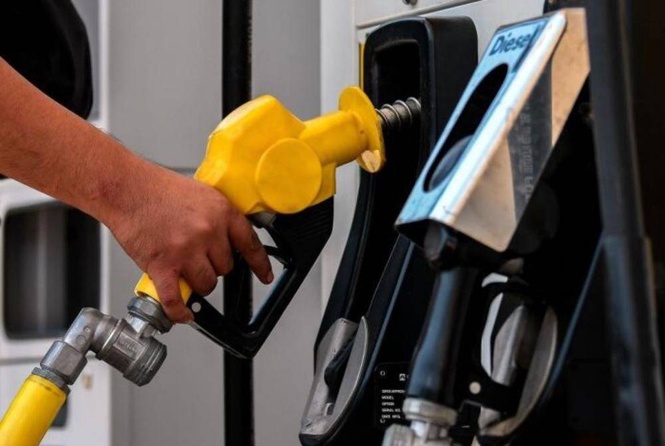
PRIME Minister Datuk Seri Anwar Ibrahim’s announcement that the government is restoring the monthly subsidised RON95 quota to 300 litres, following its earlier reduction, is likely to be welcomed by motorists.
But it also raises an uncomfortable question: is Malaysia pursuing a coherent subsidy reform agenda or one that shifts with political headwinds?
When the quota was reduced, Putrajaya argued that rising subsidy costs, volatile oil prices and fiscal realities left little choice. Malaysians were told the move was necessary to ensure government finances remained sustainable. The reduction was framed not as an option, but as a necessity.
Five months later, that necessity appears to have disappeared.
The government said the restoration is intended to ease cost-of-living pressures.
Few would dispute that households are feeling the strain. Yet the reversal inevitably invites scrutiny.
If 200 litres was the right policy then, why is 300 litres the right policy now? If only a small number of motorists were affected, as officials previously maintained, why was restoring the quota important enough to warrant a policy reversal? And if the higher allocation can be sustained today, was the earlier cut really unavoidable?
These are not merely questions about fuel subsidies. They are questions about policy credibility.
Budget 2027 is expected to advance the government's broader agenda of fiscal consolidation, subsidy rationalisation and structural reform.
Such reforms require more than sound economics. They require public confidence that difficult decisions are guided by long-term objectives rather than short-term political considerations.
The timing of the announcement is impossible to ignore.
Coming after recent electoral setbacks and ahead of the budget, the move risks reinforcing a familiar perception in Malaysian politics: that reforms are pursued when conditions are favourable, but softened when political costs begin to rise.
That may deliver immediate relief. It does not necessarily build long-term confidence.
The government's challenge is not convincing Malaysians that it cares about the cost of living. Most voters already expect that.
The greater challenge is convincing them that reforms announced today will not be revisited tomorrow.
Successful economic reform depends on predictability. Households need certainty to plan their finances. Businesses need certainty to invest. Investors need certainty that policy direction will remain intact beyond the next political test.
Governments should listen, adapt and respond to changing realities.
But frequent recalibration carries its own cost. Every reversal invites questions about whether the original decision was necessary, whether the data was sound, and whether future reforms will endure.
As Budget 2027 approaches, the RON95 episode serves as an early test of the government's reform credentials.
The issue is no longer whether Malaysians support reform. It is whether they believe the government is prepared to stay the course when reform becomes politically difficult.