The daughter of late TV narrator Paul Vaughan has accused the Royal Mail of using an AI replica of her father’s voice in its Christmas advert last year.
Vaughan, who died in 2014 aged 89, is a familiar voice to millions of viewers and listeners in the UK thanks to his work narrating shows such as Horizon and Radio 4’s Kaleidoscope.
He also famously provided the narration for the Paddington audiobooks, which he recorded for publisher HarperCollins. The stories were released on cassette tape and CD during the Nineties and 2000s, and modern streaming and digital editions are still popular today.
However, it came as a shock to his daughter, Lucy, when she thought she heard her father narrating a Royal Mail advert in November 2025 – 11 years after his death. Her husband, Darren, also believed the voiceover sounded like Vaughan.
Knowing he had never worked with Royal Mail, Lucy believed that the company had “done something”, she told Deadline.
The Royal Mail has now confirmed that the voice heard in the cozy advert, which extols the importance of human connection and sending heartfelt letters, is AI-generated.
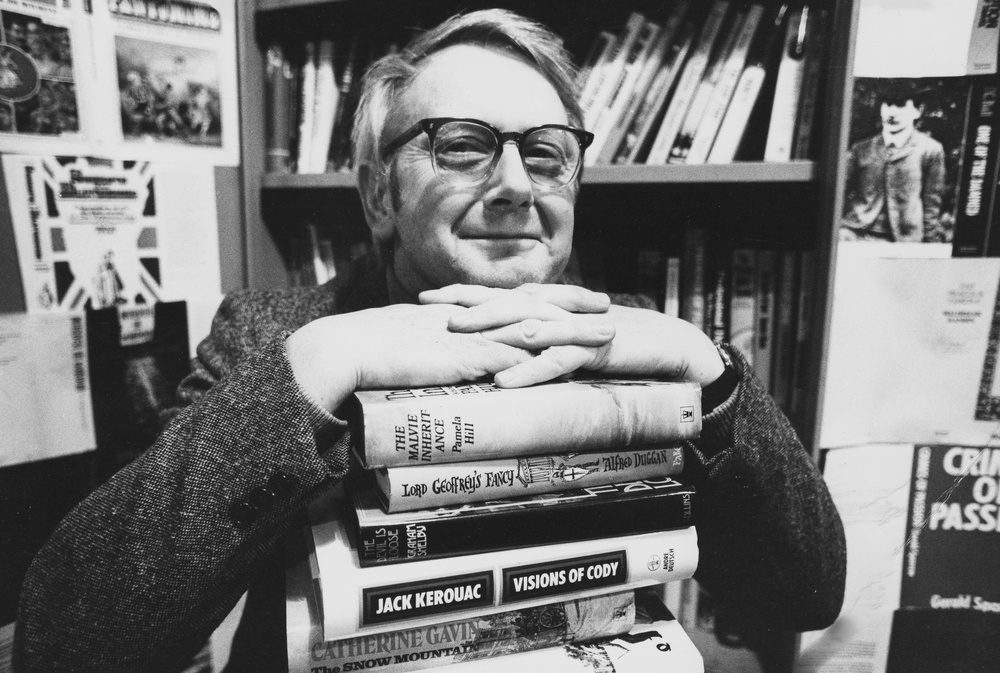
“The Christmas advertisement was produced for Royal Mail by external partners and featured real actors,” a Royal Mail spokesperson told The Independent.
“As is increasingly common, the voiceover was AI-generated and we were advised that it was created using prompts and was not designed to replicate any specific individual. The production partners also carried out checks and advised that these did not identify any resemblance concerns.”
Deadline reports that the campaign was overseen by ad agency Darwin & the Machines, which worked with independent producer Untold Studios to film the real actors in the clip.
However, the voiceover was subcontracted to AI company Fameplay, which is based in Czechia and backed by Czech Media Invest. That company is chaired by Daniel Kretinsky, whose EP group also happens to own the Royal Mail.
A source told the publication that Fameplay’s Juraj Felix, who was present during filming, was “obsessed” with AI voiceovers, despite the production team warning him against using AI in connection with “such a venerable British brand”.
Deadline also noted that Paul Vaughan’s voice would be “ripe” for training an AI model due to the wealth of material in the public domain featuring his work, along with the fact that his voice was famously warm, authoritative and “unmistakably English”. His obituary in the Telegraph said, in part: “When God speaks, he uses Paul Vaughan’s voice.”
Both Fameplay and ElevenLabs – the AI audio giant that licensed the technology used by Fameplay – denied that the Royal Mail narration was a direct clone of Vaughan. ElevenLabs declined to comment when asked if its AI model could have been trained on material voiced by him, however.
The Independent has contacted Fameplay, ElevenLabs and the BBC for comment.
“It’s outrageous,” his daughter Lucy told Deadline. “They have not bothered to do their background searches to figure out who this voice is.”
She added that Vaughan would have loathed the idea of AI taking away work from real voiceover artists.
ElevenLabs has reportedly since added Paul Vaughan to its No Go Voices, meaning his voice cannot be directly cloned by its platform in the future.
The row comes a month after stars including Nicola Coughlan, Luke Evans and Hugh Bonneville launched a campaign, Save Our Voices Now, calling for better legal protections in the UK for actors and vocal artists against generative AI.
Read MoreCelebrity Traitors viewing figures released by BBC after Richard E Grant banished
Strictly pro says she considered quitting series after ‘heartbreaking’ elimination
Meet the full lineup of stars competing on Celebrity Traitors 2026
Julia Donaldson fans given first-look at BBC Christmas special The Baddies
Celebrity Traitors 2026 live: ‘Genius’ Hannah Fry move sets up tonight’s episode
How age could be silently influencing Celebrity Traitors decisions