
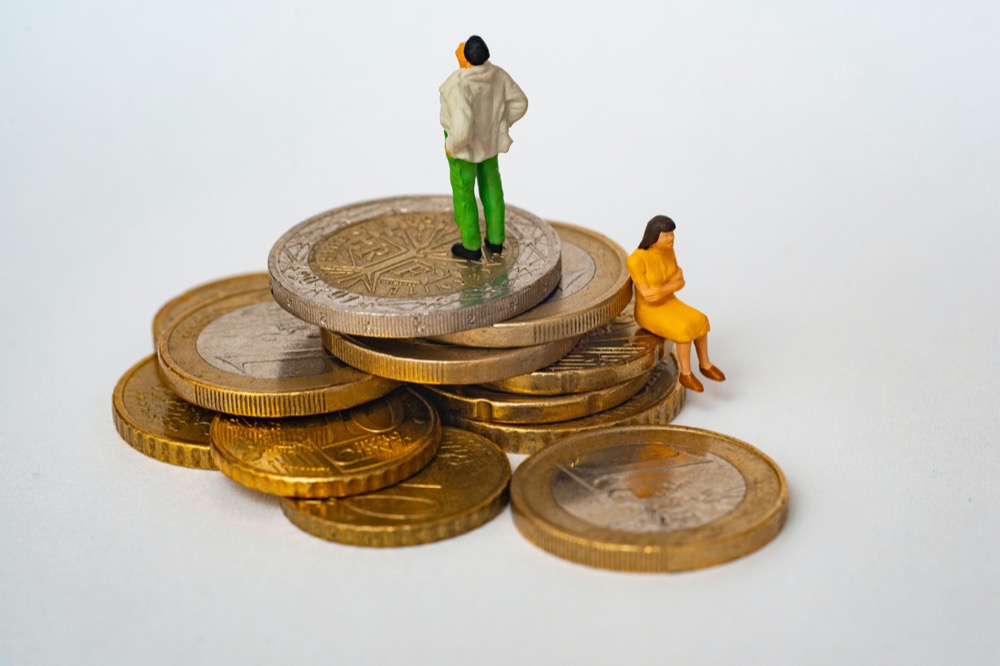
New York Governor Kathy Hochul has proposed a new tax on second homes in New York City valued at $5 million or more, marking a shift in ongoing negotiations over how to address the city’s budget shortfall. The measure targets high-value properties owned by individuals who primarily reside outside the city.
The proposal emerges as state and city leaders debate how to close a multibillion-dollar deficit, with differing views on whether to raise income taxes or adjust property-related levies. Hochul’s plan signals a narrower approach focused on a specific segment of property owners rather than broader tax increases.
A Targeted Tax Aimed at Nonresident Luxury Homeowners
The proposed measure would introduce an annual surcharge on second homes, often referred to as pieds-à-terre, that are valued at $5 million or more. According to The New York Times, the tax would likely follow a sliding scale, with higher-value properties facing higher rates, although final details have not yet been determined.
Hochul’s administration expects the measure to generate approximately $500 million per year, funds intended to help reduce New York City’s projected budget gap. The deficit is estimated at $5.4 billion through the next fiscal year, according to reporting from state officials.
The tax is designed to focus on property owners who do not list New York City as their primary residence. According to state officials cited by The New York Times, this distinction makes the policy more politically viable, as it avoids directly increasing income taxes on full-time residents.
Data from the New York City Housing and Vacancy Survey highlights the scale of the issue. In 2023, about 59,000 housing units were classified as being held for seasonal or occasional use, a decline from roughly 75,000 units in 2017. These figures reflect a persistent share of housing stock not used as primary residences.
Hochul has framed the proposal as a matter of fairness. In a public statement, she said that individuals who can afford multimillion-dollar second homes should contribute more to the city’s financial needs, aligning the measure with broader concerns about housing access and fiscal balance.
Political Tensions and Economic Concerns Shape the Debate
The proposal also reflects ongoing political negotiations between Hochul and New York City Mayor Zohran Mamdani. The mayor had previously advocated for broader tax increases on corporations and high-income earners, and at one point suggested a potential 9.5 percent property tax increase as a last resort.
According to Newsweek, that suggestion was widely interpreted as an effort to pressure state leaders into adopting more aggressive tax policies. Hochul had resisted those proposals, citing concerns that higher taxes could drive wealthy residents to lower-tax states such as Florida or Texas.
Mamdani has expressed support for the second-home tax despite it falling short of his earlier proposals. In a statement reported by The New York Times, he described the measure as a step toward addressing the city’s fiscal deficit while ensuring that wealthier individuals contribute more.
Not all stakeholders agree. TheReal Estate Board of New York has criticized the plan, warning that it could have broader economic consequences. According to statements reported in the New York Post, the group argues that the tax may reduce property values, discourage investment, and fail to generate the expected revenue.
The debate comes as state lawmakers continue to negotiate the budget, which was due earlier in April but remains unresolved. Hochul intends to include the proposed tax in the final agreement, positioning it as part of a broader effort to stabilize the city’s finances without expanding income-based taxation.
Enjoyed this article? Subscribe to our free Newsletter for engaging stories, exclusive content, and the latest news.

