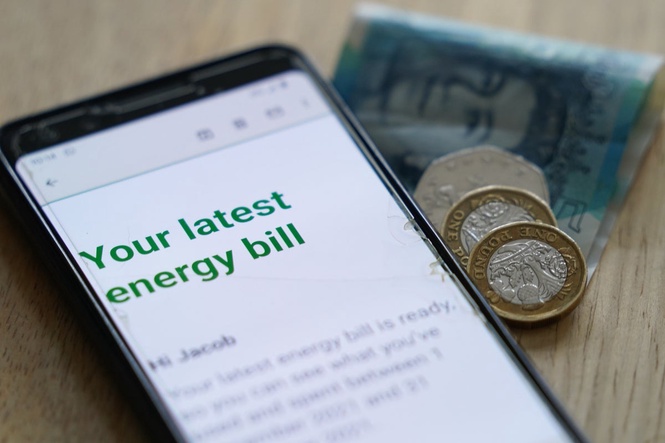
Over seven in 10 people in the UK have had to deal with a shock bill over the past year, costing more than £500 on average, according to new research.
Santander UK found that 71 per cent of adults faced an unexpected charge in the previous 12 months, coming in at an average of £535.
To handle these surprise outgoings, 36 per cent of individuals asked family or friends for financial support, despite nearly half (48 per cent) saying they felt uncomfortable doing so. A further 35 per cent turned to credit to cover costs, while 51 per cent lived with a problem they could not afford to get fixed, including having a toothache or a broken-down car.
More than two-fifths of respondents (44 per cent) said they do not feel prepared for an unexpected bill. Car repairs (43 per cent), broken household appliances (43 per cent) and boiler breakdowns (34 per cent) are the expenses households dread the most, according to the research, released ahead of "unlucky" Friday 13.
These were followed by concerns over emergency vet bills (30 per cent) and urgent plumbing or electrical repairs (29 per cent). Unexpected dental treatment (23 per cent), phone or laptop repairs (21 per cent) and unexpected utility bills (21 per cent) were also among the main worries.
The thought of a sudden expense also takes a toll on emotional wellbeing, leaving many experiencing sleepless nights (47 per cent), feeling constantly on edge (32 per cent), having headaches (30 per cent) or being short-tempered (29 per cent).
Finance experts frequently recommend building up an easily accessible savings buffer to cover costs in emergencies. Joao Soares, head of savings at Santander UK, said: "We’ve all had those moments when an unexpected bill lands at the worst possible time, whether it’s the boiler breaking down, the car needing a repair or an unexpected vet bill.
"And while Friday 13 might be known for bad luck, the reality is these costs can crop up at any time.
"Having some savings set aside can make those moments feel a little less daunting, and putting even a small amount away regularly can help."
Some 2,000 people were surveyed across the UK in October by 3Gem Research and Insights for Santander.