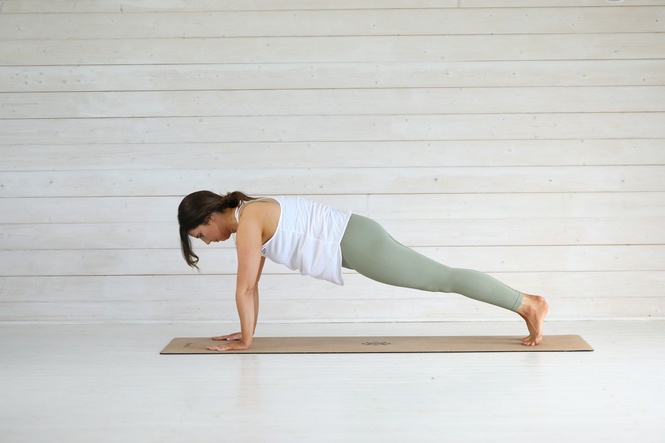
A handful of sessions each week. That’s all it takes. New research has thrown a spotlight on isometric exercise, once a niche corner of fitness but now capturing attention for its simplicity and surging health benefits, most notably for lowering blood pressure.
Imagine holding a wall squat or plank, barely moving, while your heart gets a workout fit for the twenty-first century. This isn’t just wellness folklore.
Recent study findings now point to isometrics as a powerful tool, even when fitted into the busiest schedules and least motivated lives.
“All groups doing isometrics showed notable falls in blood pressure after just four weeks—compared to the non-exercisers who saw no improvement”
According to a recent trial published in BMJ Open Sport and Exercise Medicine, simply undertaking one to two short isometric sessions per week can produce meaningful decreases in blood pressure over the short term. Those who can manage three weekly sessions appear to sustain these gains over time.
For context, participants involved held wall squats, a static (but far from easy) pose, around three times weekly as part of a structured protocol. Researchers noted that previous scientific literature had already suggested isometric workouts had surprising efficacy, sometimes surpassing more traditional forms of exercise, and even some common medications, for lowering blood pressure.
This fresh study zoomed in on a pressing question: just how much of this static training is needed to see, and preserve, the effect?
The answers revealed could redefine how we think about exercise adherence, especially for people who struggle to find time or motivation for more complex training plans.
Isometric exercise involves little movement. The essence lies in contracting muscles and holding, often until they begin to shake. Wall sits, planks, the familiar handgrip squeeze—all fall into this family.
“Researchers noted that previous scientific literature had already suggested isometric workouts had surprising efficacy, sometimes surpassing more traditional forms of exercise, and even some common medication, for lowering blood pressure”
They’re not flashy. They don’t require high-tech gear or specialist trainers. People starting out are encouraged to begin gently, gradually extending the duration and intensity as strength and comfort improve.
The study at the heart of this story enrolled 100 adults. Average age is around 37. Inclusion required participants to have systolic blood pressures in the upper ranges of normal but be free from cardiovascular medication, current injuries or major health conditions, and falling well short of the recommended 150 minutes weekly moderate activity.
Smokers and heavy drinkers were left out. These were mostly average, relatively sedentary adults—exactly the demographic likely to reap benefits without having to overhaul their routines or join a gym.
Participants were sorted into five groups. The control did nothing. Four groups completed a four-week home-based programme: isometric wall squats broken into four sets, with rest periods. This was performed three times a week. After four weeks of this regime, the researchers divided them further. One continued with three sessions per week. Another group dropped down to two. A third group cut training to once per week, and the last ceased completely. The investigators then sifted through blood pressure, heart rate, and a basket of heart health markers both four and eight weeks into this exercise journey.
The results? Clear and compelling.
All groups doing isometrics showed notable falls in blood pressure after just four weeks—compared to the non-exercisers who saw no improvement. Systolic and diastolic measures, the twin pillars of blood pressure readings, both dropped enough to matter.
However, it was consistency that counted in the longer term. Those who stuck to the thrice weekly schedule maintained their reductions most strongly, especially for systolic pressure (the upper number, key for assessing risk).
Those who dropped to once or twice weekly maintained some improvement, though less impressively.
Most strikingly, those who gave up entirely saw their gains melt away.
One detail leapfrogs from the findings, there was little difference across the once, twice, and thrice-weekly groups for diastolic pressure (the lower reading), at least within the two-month window.
However, only the highest-frequency group ‘locked in’ robust systolic reductions. These results matter because systolic blood pressure is widely regarded as a critical predictor for heart attack and stroke risk.
Let’s place these findings in context. According to the National Health and Morbidity Survey 2023, approximately 6.7 million Malaysian adults (or about 29.2% to 33.3% of the adult population) live with hypertension, a silent threat that underpins countless strokes and heart conditions every year. Medicines like beta-blockers and ACE inhibitors are commonly prescribed.
Yet lifestyle factors like exercise, diet, and weight control remain the backbone of non-pharmacological treatment. Not everyone finds it easy to stick to lengthy, regimented gym sessions.
Isometric exercise stands out as a gentle but potent alternative: short, flexible, often requiring no more than a wall, floor, or even a sturdy chair.
What’s happening physiologically?
Expert explains that isometric exercise operates mainly by influencing the resistance inside your blood vessels. Each session trains muscles to squeeze and hold, which signals blood vessels to become more responsive, relaxed, and supple over time. This reduces the ‘push’ required by the heart to move blood around the body. These adaptations translate, in practical terms, to improved regulation in everyday life.
Interestingly, the benefits persist even if routines are modest, giving hope to individuals overwhelmed by visions of aggressive, sweat-drenched workouts. “Small, consistent efforts” are what count.
Begin with manageable goals—just a couple of sessions per week, building up as confidence and strength advance. Even minimal exposure appears to beat inactivity hands down.
But how long should you hold these positions? Research-based suggestions recommend aiming for four two-minute stints per session, with a couple of minutes’ rest between. This could mean plonking yourself into a sitting position against a wall, pressing a grip strengthener, or holding a plank, for a total of 10 to 20 minutes each session.
Frequency matters most, two to three times weekly, if possible, but even one session weekly confers a worthwhile advantage.
For absolute beginners or those returning after years away from exercise, walking offers a gentle entry point—perhaps 10 minutes a day, building gradually to longer strolls. The addition of strength training, whether isometric or dynamic, adds another layer of protection for heart and kidney health, bone strength, and general well-being.
Experts continually stress, progress matters more than perfection, and unsustainable routines are best avoided.
Are these results relevant to everyone? Probably not universally, suggest researchers. The study’s design targeted fairly healthy adults, not those dealing with complex medical conditions or significantly raised blood pressure.
Further research is needed for larger groups, longer durations, more diversity. However, for the right group, these findings could transform how blood pressure is managed outside clinical settings.
Experts agree that safety comes first. As blood pressure comes down via even simple routines, those on medication must consult healthcare providers before making changes, to avoid the possibility of blood pressure dropping too low. For most healthy adults, however, isometric exercise presents a low-risk, easily accessible addition to good heart health.
If life gets in the way, even occasional effort offers value. The promise is clear, with persistence, even the smallest steps towards regular movement can yield powerful cardiac rewards.
Perhaps, for the first time in a long while, lowering your blood pressure might actually fit your lifestyle, not the other way round.
The post Simple Plank Workouts, Even Once a Week, May Help Lower Blood Pressure first appeared on PP Health Malaysia (PPHM) | 10POINTS Evidence-Based Health News.