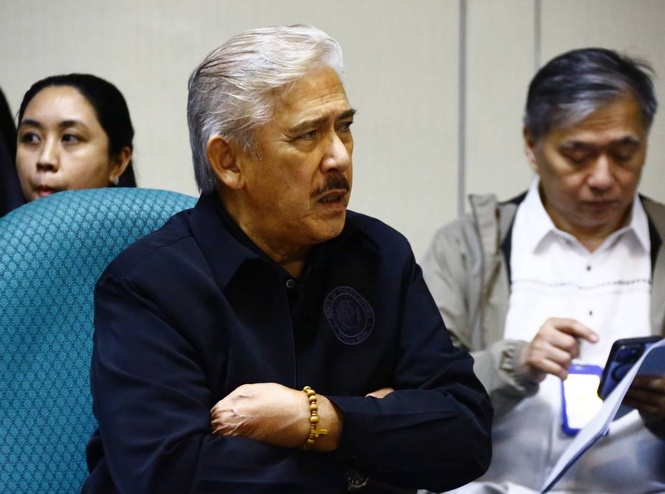
SENATE President Pro Tempore Vicente “Tito” Sotto III is pushing for a comprehensive, coordinated government program to help former inmates rebuild their lives and reintegrate into society.
Sotto filed Senate Bill 2281 or the proposed National Reintegration Act which seeks to establish a national framework providing former inmates, or Persons Restored of Liberty (PRLs), access to employment, housing, education, healthcare and psychosocial services.
In a statement marking Prison Awareness on Sunday, Sotto said former inmates often struggle to return to their communities because government support after their release remains inadequate.
“The period of transition from custody to community can be particularly difficult,” he said, pointing to the challenges former inmates face in securing jobs and housing, rebuilding family relationships, and overcoming social stigma and isolation.
Under the measure, halfway houses would provide temporary shelter, food and other necessities while former inmates seek stable employment and work on rebuilding their lives.
The bill also seeks to provide family counseling and psychosocial services during the first six months after release to help former inmates adjust to life outside detention and restore relationships with their families.
It proposes education assistance through the Department of Education and the Commission on Higher Education, as well as employment and skills training through the Department of Labor and Employment and the Technical Education and Skills Development Authority.
The measure would also extend Philippine Health Insurance Corp. coverage to qualified former inmates who cannot afford their contributions.
The bill seeks to prohibit discrimination in hiring based on a person’s status as a former inmate and provide tax incentives to qualified private establishments that employ them.
The Department of Social Welfare and Development will serve as the lead implementing agency, coordinating with other government institutions to ensure that reintegration assistance is delivered systematically and continuously.
The proposed legislation is anchored on restorative justice, recognizing that people who have served their sentences or have otherwise been released from detention should have a meaningful opportunity to reform and become productive members of society.
Supporters of reintegration programs emphasized that access to employment, stable housing, healthcare, and family support can help former inmates establish lawful livelihoods and reduce the risk of returning to criminal activity. Without such assistance, social stigma and economic hardship can complicate their return to society.
The proposed National Reintegration Act seeks to establish a more structured government response to these challenges, recognizing that rehabilitation should not end when a person leaves detention.