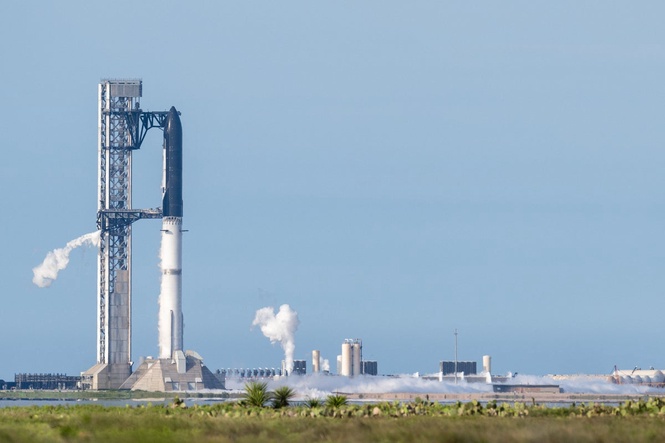
SpaceX is preparing for the first orbital flight test of its Starship megarocket.
The critical mission, which is scheduled to launch next Monday, could determine whether Nasa stays on track to return humans to the lunar surface via its Artemis program.
The US space agency has already been forced to push back its Artemis timeline due to development issues with the 124-metre rocket, which Elon Musk claims will one day be used to set up a permanent colony on Mars.
SpaceX rolled out its giant first-stage booster to the launchpad at its Starbase facility in southern Texas on Monday.
The 33-engine rocket, known as Super Heavy, will then be paired with the six-engine Starship second stage. When fully stacked, it is the largest and most powerful rocket ever flown.
Booster 21 moved to the pad at Starbase pic.twitter.com/GwW45MAkZY
— SpaceX (@SpaceX) September 21, 2026
The upcoming Starship mission will be the most ambitious to date, aiming to send the second-stage rocket into orbit on a 10-hour flight that will see it circle Earth six times before splashing down in the Pacific Ocean off the coast of Chile.
The test flight will also be the first mission to deploy SpaceX’s next-generation Starlink V3 satellites to low-Earth orbit.
These satellites will form the next part of the space internet network, which is already the world’s biggest satellite constellation with more than 11,000 Starlinks in orbit.
“In seven days, the first Starship launch to orbit will be carrying Starlink V3 satellites intended for operational use,” Musk wrote in a post to X on Monday.
The most recent Starship launch in July saw the rocket complete its objectives of deploying 20 test Starlink V3 satellites before successfully splashing down in the Indian Ocean.
It was the first time the Starship upper stage had returned from a suborbital trajectory without exploding, allowing SpaceX to capture valuable data about the flight test.
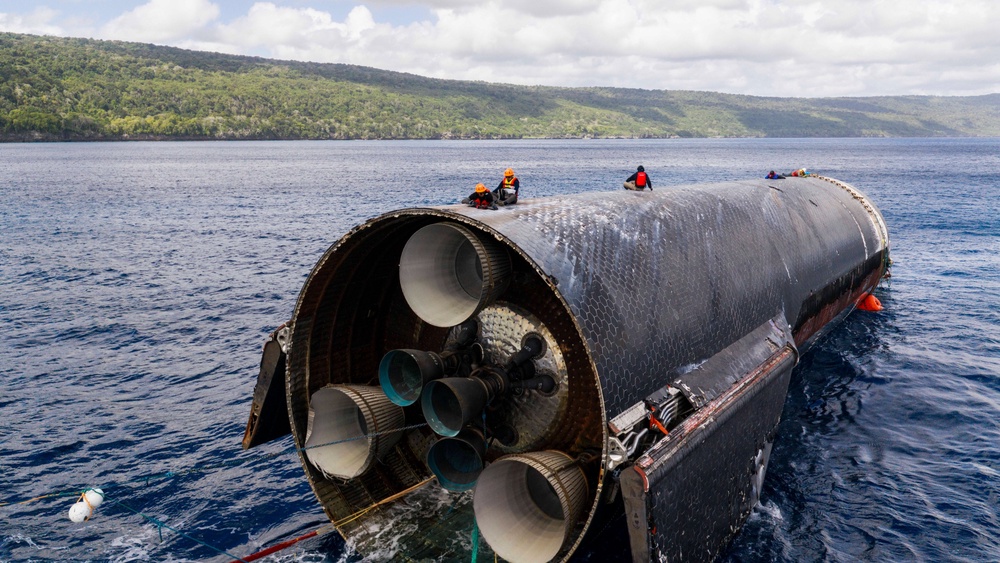
Securing a successful splashdown for both stages of the rocket will be a key test of the latest flight, as SpaceX is designing them to be fully and rapidly reusable.
Achieving this goal, which SpaceX has described as the “holy grail of rocketry”, will help accelerate development of Starship ahead of the planned Artemis III mission next year.
The 14-day mission will see four astronauts aboard Nasa’s Orion spacecraft dock with Starship while in low-Earth orbit.
The orbital demonstration aims to test docking mechanisms and spacecraft interfaces ahead of the first crewed Moon landing on Artemis IV in 2028.
Read MoreMusk and Altman back calls to ‘slow down’ development of AI
‘Dangerous’ space weapon admission plays into the hands of US enemies
Scientists discover 27 mysterious objects in far reaches of solar system