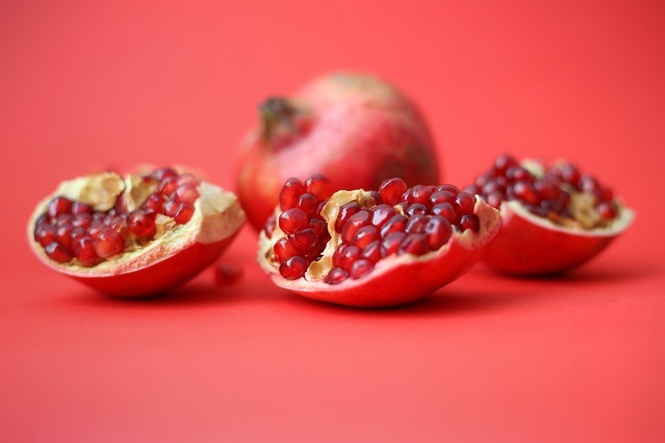
A fresh wave of hope is sweeping through cardiovascular research with the discovery that a compound linked to foods like pomegranates, berries, and walnuts could help treat a stubborn type of heart failure affecting millions worldwide.
Heart failure with preserved ejection fraction, or HFpEF, makes up roughly half of all heart failure cases. Unlike traditional heart failure, where the heart loses its strength to pump, HFpEF is about the heart becoming stiff—it can’t relax and fill properly.
The outcome? Patients battle constant fatigue, breathlessness, and swelling, often struggling just to get through the day.
Current treatments for HFpEF usually focus on lifestyle tweaks and medications, but these mainly manage symptoms and don’t get to the root of the problem—namely, that stiffening heart muscle.
That’s why findings from a recent study published in Science Advances are turning heads. Researchers discovered that urolithin A, a natural compound formed when our gut bacteria digest plant polyphenols called ellagitannins, can significantly improve heart function in animal and engineered human heart tissue models.
Let’s break that down: we don’t consume urolithin A directly.
Instead, our gut transforms certain plant compounds, found in foods like pomegranates, berries, walnuts, and pecans, into this heart-helping substance.
In the lab, scientists zeroed in on urolithin A after screening dozens of natural molecules to find ones that activate a protein called PKG1alpha. This protein helps the heart muscle relax and function more normally.
In the study, animals with HFpEF given urolithin A saw heart performance jump by as much as 80% compared to those not given the compound. Human heart cells grown from stem cells also responded, showing much better relaxation—the very thing HFpEF patients need.
Any discovery that helps the heart muscle relax and become less stiff could mark a dramatic shift in treatment for this difficult-to-manage condition. While medications can help lower blood pressure or ease symptoms, they don’t directly tackle the stiffening at the core of HFpEF.
A compound like urolithin A, or a drug modelled after it, has the potential for a much more targeted effect.
But before anyone rushes to the supermarket for pomegranate juice or bowlfuls of berries, doctors urge patience. The research, while exciting, is still at the early, preclinical stage. It’s been successful in animals and lab-grown heart cells, but not yet tested in living human patients. Clinical trials are needed before urolithin A or related medicines could become a true therapy.
Still, the study shines a spotlight on the often underappreciated gut-heart axis. The bacteria living in your intestines aren’t just bystanders; they help turn plant foods into metabolites capable of sending powerful health signals throughout the body. Not everyone’s microbiome works the same way, however.
The amount of urolithin A you produce after eating berries, nuts, or pomegranates depends on which bacteria call your gut home. That means no two people get quite the same benefit from eating the same food.
The story is less about a magic “superfood” and more about the bigger picture: eat a wide range of whole, plant-based foods consistently. Instead of chasing supplements, focus on regular, small steps. Add berries to cereal or yoghurt. Toss walnuts into salads or porridge. Sprinkle pomegranate arils in a fruit salad or on a grain bowl. Even a small glass of pomegranate juice now and then works.
Small actions, repeated often, build up the gut’s ability to help your heart.
Experts and previous studies remind us that eating polyphenol-rich foods isn’t a cure, but it can be part of an overall heart-healthy plan, alongside exercise, sleep, and medical advice.
Fibre, vitamins, and the wide mix of plant nutrients that come bundled with polyphenols further support your heart, blood vessels, and overall wellbeing. Some people may convert more of these beneficial compounds than others, but nearly everyone stands to gain something from upping their intake.
All this comes back to the basics. Don’t rely on one special food or supplement. Diverse, colourful meals, rich in plants, seem to set the stage for both a healthy gut microbiome and a stronger heart.
Move your body, take your prescribed medicines, and get enough rest—these core habits matter as much as any emerging scientific discovery. The gut, once just thought to be a digestive workhorse, is now at the forefront of exciting research, bridging nutrition, metabolism, and cardiovascular health.
So what does this mean right now for individuals living with or at risk for heart failure?
Nothing quite changes yet. The science is promising, but it’s not ready for prime time. Those living with heart failure should always follow their doctor’s guidance and not abandon established therapies. But this advance shows the immense potential for food—not just as fuel, but as a starting material for powerful molecules made by our microscopic gut “partners.”
In the future, new therapies may draw directly from compounds like urolithin A or aim to mimic its effect—meaning treatment could one day become more targeted, more personalised, and, perhaps, more effective for HFpEF and related heart conditions.
For now, science underscores the same advice that’s stood the test of time: eat well, stay active, prioritise sleep, follow medical guidance, and take a little time to savour those berries and walnuts. You just might be nourishing your heart by way of your gut.
The post Study Finds Natural Molecule in Pomegranates May Benefit Heart Function first appeared on PP Health Malaysia.