
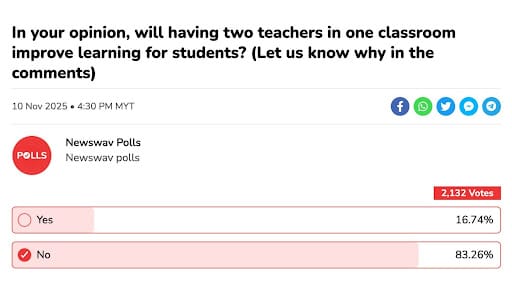
A Newswav poll of around 2,100 respondents shows strong public scepticism towards the idea of having two teachers in a single classroom. While the Ministry of Education plans to introduce a co-teaching model nationwide from 2027, 83% voted “No”, compared to just 17% who believe it would improve student learning.
What Is the Two-Teacher Model About?
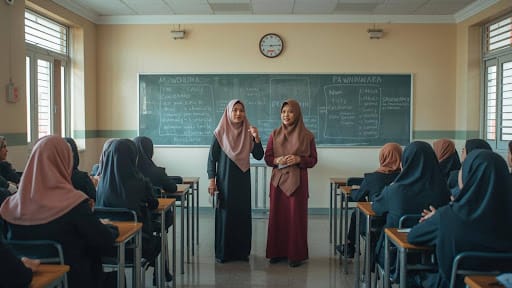
Under the proposed model, two teachers will co-teach the same class simultaneously, working together to deliver lessons, manage classroom dynamics, and support student development. According to the Education Ministry, this approach could help address mixed learning abilities, improve engagement, and reduce the burden on individual teachers.
Internationally, co-teaching has been used in some education systems to support inclusive learning, particularly for students with different learning abilities. Education Minister Fadhlina Sidek has said the model is intended to promote better interaction, character-building, and classroom support, particularly in increasingly diverse learning environments.
Why Opinions Are Sharply Divided
Poll comments reveal that most scepticism centres on priorities and practicality.
Many respondents questioned whether placing two teachers in one classroom is the best use of limited resources, especially when schools continue to face overcrowded classes, teacher shortages, and heavy administrative workloads. Several felt the funding would be better directed toward improving school facilities, hiring more teachers to reduce class sizes, providing school nurses or counsellors, or offering free breakfast programmes for students.
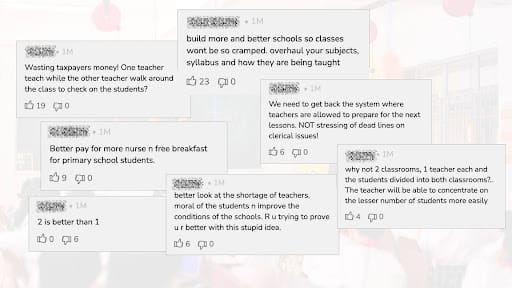
A common suggestion was that smaller classes, rather than co-teaching, would allow educators to focus more effectively on individual students. Others highlighted that teachers are already stretched thin by paperwork and deadlines, arguing that reforms to curriculum design, assessment methods, and school management should come before introducing new teaching models.
That said, a smaller group of respondents took a more optimistic view. Supporters believe that “two is better than one,” noting that co-teaching could improve classroom control, allow more personalised attention, and help weaker students keep up without slowing down the rest of the class. Some also pointed out that the model could work well if responsibilities are clearly defined.
As the 2027 rollout approaches, how the policy is implemented and whether it addresses long-standing concerns within the education system may ultimately shape public acceptance.
Do you agree with the poll results, or do you think having two teachers in one classroom could genuinely improve how students learn?

Share what you think, see how others feel, and make your voice count as part of the Newswav community. Vote now 🗳️🗣️


