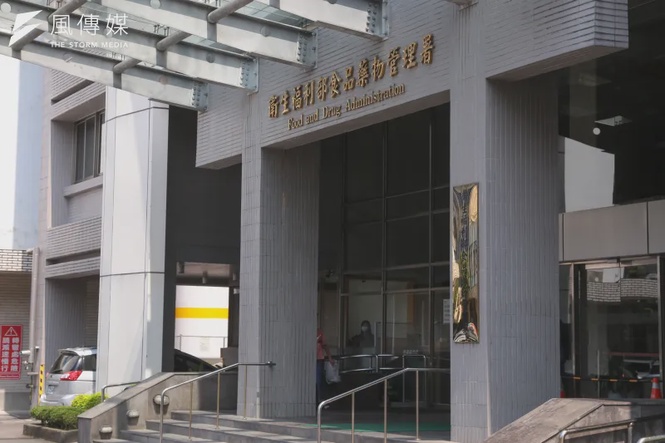
Taiwan's Food and Drug Administration (TFDA) said on November 11, 2026 that it will reassess the safety of every GLP-1 receptor agonist sold in Taiwan, the class of diabetes and weight-loss drugs that includes Ozempic, Wegovy, and Mounjaro. The review follows a US Food and Drug Administration warning that the drugs may raise the risk of a rare eye condition that can cause permanent loss of sight.
The TFDA also disclosed that Taiwan's national adverse drug reaction reporting system has received 63 reports of suspected side effects from GLP-1 drugs so far this year, 39 of them involving patients who used the medicines to lose weight.
US Regulator Orders Eye Warning On Every GLP-1 Drug
On November 9, the US FDA issued a drug safety communication requiring all GLP-1 receptor agonists to carry information about a potential increased risk of non-arteritic anterior ischemic optic neuropathy (NAION) in the "Warnings and Precautions" section of their labels. NAION is caused by reduced blood flow to the front of the optic nerve. It typically causes sudden, painless loss of vision in one eye, and the damage can be permanent.
The requirement covers the whole drug class rather than a single product, from Ozempic and Wegovy to Eli Lilly's Mounjaro and Zepbound. The FDA said it pooled 126 randomized clinical trials involving 134,253 patients and found 6.4 NAION cases per 100,000 person-years among GLP-1 users, compared with 3.8 among patients given a placebo or another diabetes drug. In absolute terms the condition remained rare: the trials recorded 15 probable cases in total, 10 of them in patients taking GLP-1 drugs.
The agency said its evidence was not one-sided. A separate real-world study of diabetes patients found no statistically significant difference in NAION risk between GLP-1 users and users of another drug class, SGLT-2 inhibitors, though it did find a higher risk compared with DPP-4 inhibitors. Weighing all the data, the FDA concluded there is "a potential increased risk of rare NAION events in patients taking GLP-1 RAs," noting that cases have been reported with every GLP-1 drug currently on the US market.
The FDA told patients to contact a health care professional right away if they experience sudden vision loss in one eye, blind spots, tunnel vision, or color distortion. For doctors, its guidance was direct: "Consider discontinuing the GLP-1 RA in patients who develop NAION, unless the benefits of treatment clearly outweigh the risk."
The US action brings American labels closer to those in Europe. The European Medicines Agency concluded in 2025 that NAION is a very rare side effect of semaglutide, the active ingredient in Ozempic and Wegovy, affecting up to one in 10,000 patients.
Taiwan Flagged Semaglutide Eye Risk A Year Earlier
Liu Chia-ping, a senior technical specialist in the TFDA's Division of Medicinal Products, said the agency had already been tracking the eye risk for semaglutide products. The TFDA issued a safety communication to doctors and the public in June 2025. On March 13, 2026, it wrote to drugmakers and hospitals asking them to step up safety monitoring and reporting, and in June 2026 it ordered companies holding licenses for semaglutide products to add NAION information to the "Warnings and Precautions" and "Adverse Reactions" sections of their package inserts.
Because the new US warning covers every GLP-1 receptor agonist, not just semaglutide, Liu said the TFDA will launch a class-wide safety reassessment and take whatever risk management measures the findings call for "to ensure the public's medication safety." The TFDA said it has also asked drugmakers to add the new safety information to their package inserts.
Weight Loss Users Account For 39 Of 63 Reports
According to the TFDA, the side effects reported in Taiwan this year include gastrointestinal problems such as abdominal pain, bowel obstruction, and pancreatitis, as well as low blood sugar, nausea, vomiting, and discomfort at the injection site. The agency did not say whether any of the 2026 reports involved vision loss.
The numbers have climbed quickly. In February, the TFDA said it had received only 21 suspected adverse reaction reports linked to GLP-1 drugs used for weight control over the three years from 2023 through 2025. Three active ingredients are currently approved in Taiwan for weight management: tirzepatide, semaglutide, and liraglutide.
TFDA Warns Against Buying GLP-1 Drugs Online
The TFDA stressed that GLP-1 receptor agonists are prescription medicines that should be used only after a doctor's assessment and under medical supervision. It urged the public not to buy the drugs online or from unknown sources, warning that unapproved or counterfeit products add to the health risks.
The agency said it will step up monitoring of illegal online drug sales and take legal action against websites selling unapproved medicines.
Sources: Taiwan Food and Drug Administration; US Food and Drug Administration drug safety communication, November 9, 2026; European Medicines Agency.