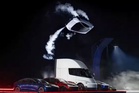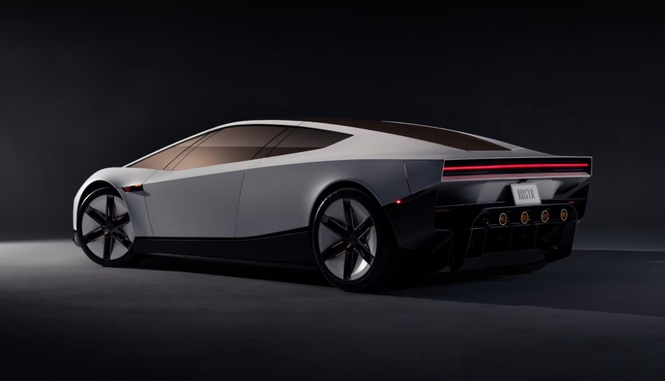
The all-new second-generation Tesla Roadster is now open for reservations in Malaysia. This is Tesla’s next-generation electric sports car which has been delayed multiple times since its initial unveil in 2017.
Unlike the one that was showcased 9 years ago, the new roadster comes in an all-new design and is offered in three versions: Performance, Thrust and Rocket.
If you’re interested, you can secure a reservation with an initial payment of RM21,000, followed by the remaining balance within 10 days.
However, the reservation fees aren’t cheap, with the Roadster Thrust requiring over RM1 million. Bear in mind, these are reservation payments and not the final prices of the vehicles.
Tesla Roadster Reservation Fee in Malaysia
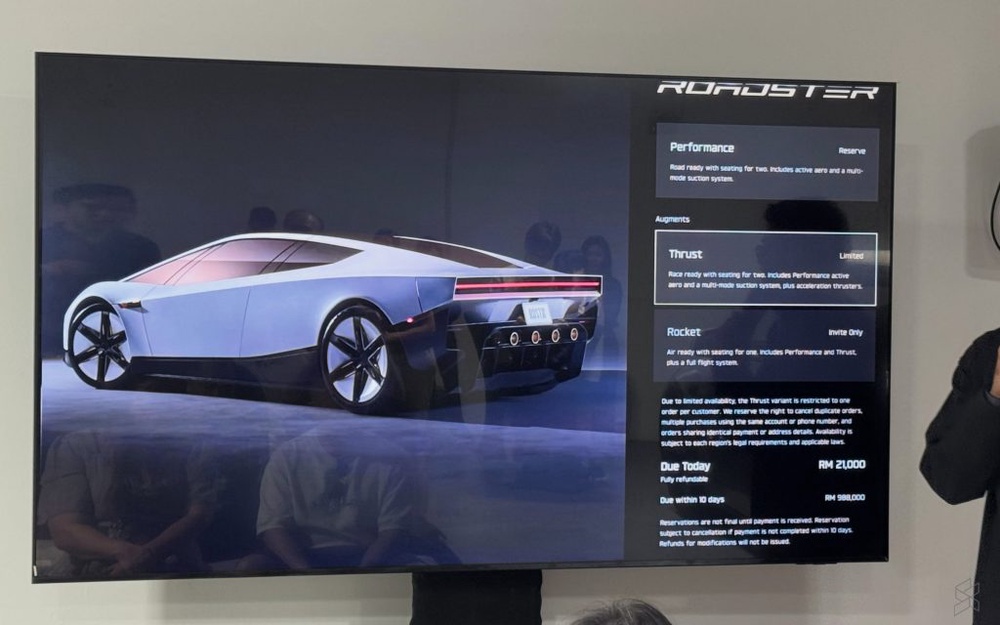
Tesla Malaysia is currently accepting reservations for two out of three versions of the all-new Roadster. Here’s how much you’ll need to pay to secure your reservation:
- Roadster Performance – RM203,000
- Roadster Thrust – RM1,009,000
- Roadster Rocket – By invitation
For the “base” Performance and “mid-spec” Thrust versions, customers can place an initial payment of RM21,000, with the remaining reservation amount due within 10 days.
According to Tesla’s reservation agreement, these listed amounts are not the final purchase prices of the vehicles. Tesla says it is still developing the Roadster’s options, features and hardware. As a result, they can’t confirm the exact purchase price at the moment.
The final price will only be confirmed once customers are invited to configure their vehicles.
Tesla also clarifies that a reservation is not an actual vehicle order and what you’re paying for is essentially to get in line to configure the Roadster when production gets closer.
Customers can also cancel their reservations through their Tesla Account for a full refund, provided they have not configured their vehicle and entered into a final Purchase Agreement.
At the moment, the all-new Roadster is scheduled for production in 2028, provided there are no further delays. So even if you place your booking now, there’s no guarantee that you’ll get it in 2028.
Tesla Roadster Specs and Features
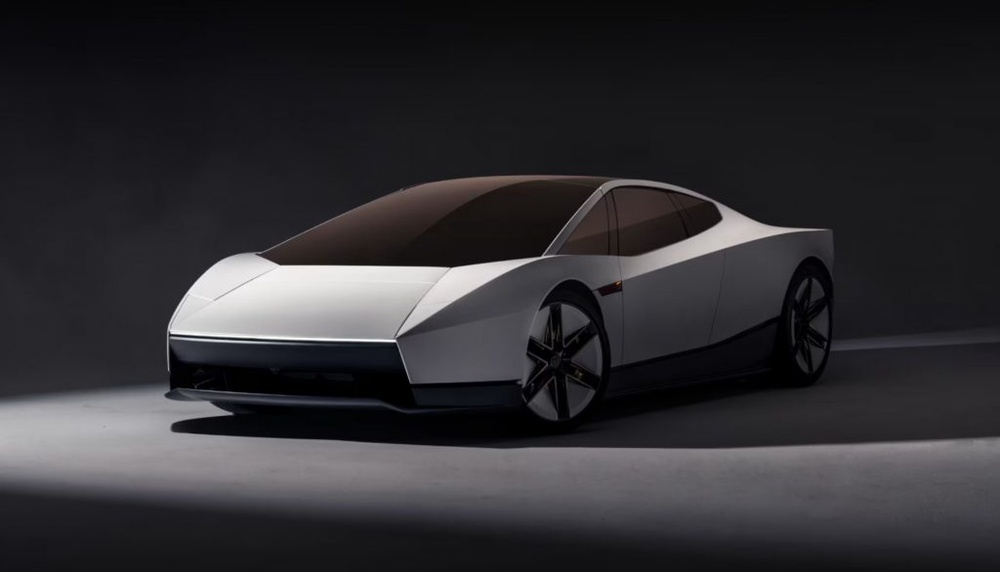
The all-new Tesla Roadster is designed as a driver-focused electric sports car, featuring active aerodynamics, a multi-mode suction system and, on selected versions, cold-gas thrusters to deliver extreme performance. At the moment it is still under development and most of the key specs are still not revealed.
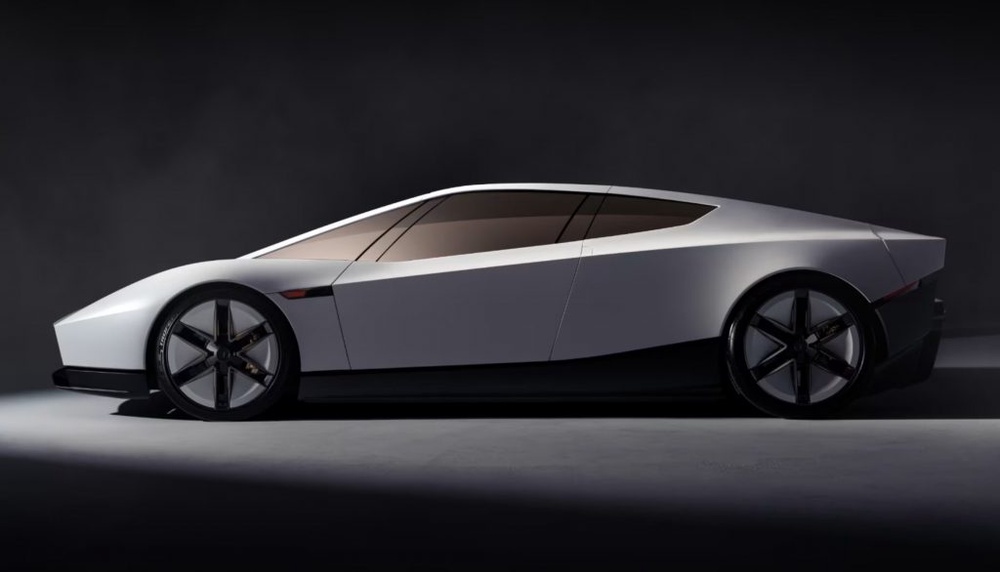
In terms of design, the Roadster adopts a minimalist appearance with concealed headlights, a full-length taillight and flush-mounted surfaces. It also features ultra-lightweight wheels with thin spokes designed to provide structural strength while keeping weight down.
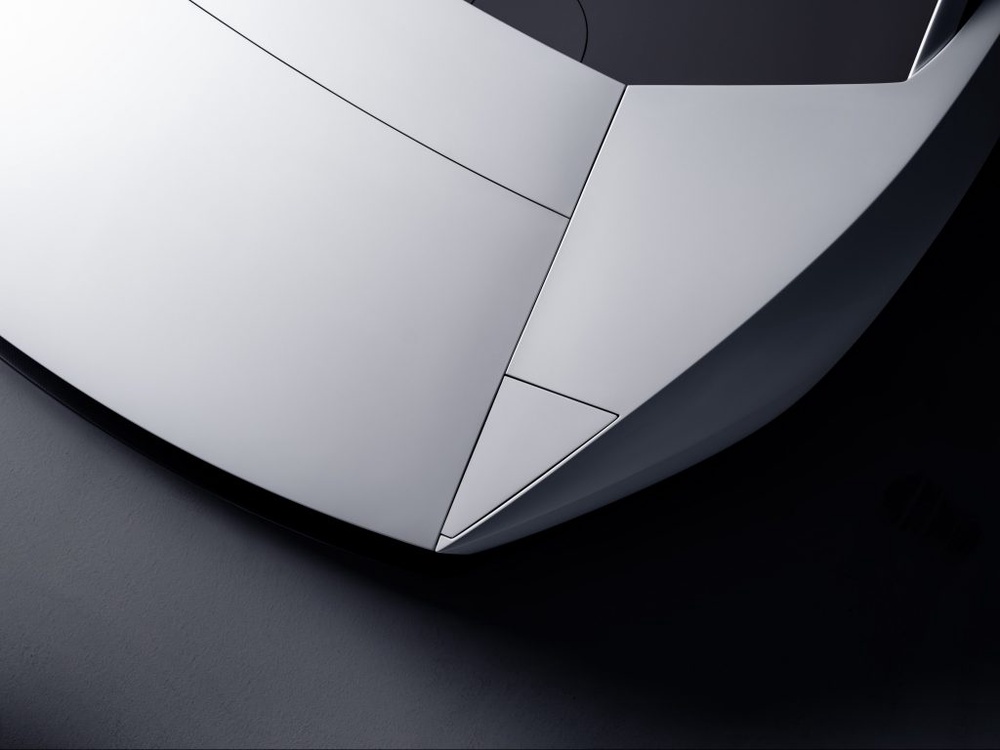
One of the exterior highlights is its Ano White paint finish, which Tesla says incorporates aerospace-derived technology to provide UV and cryogenic protection, electrostatic dissipation and corrosion resistance.
The Roadster also gets Gold Glazed tinted glass, inspired by the copper-coated visors used on astronaut spacesuits, complemented by subtle titanium accents.
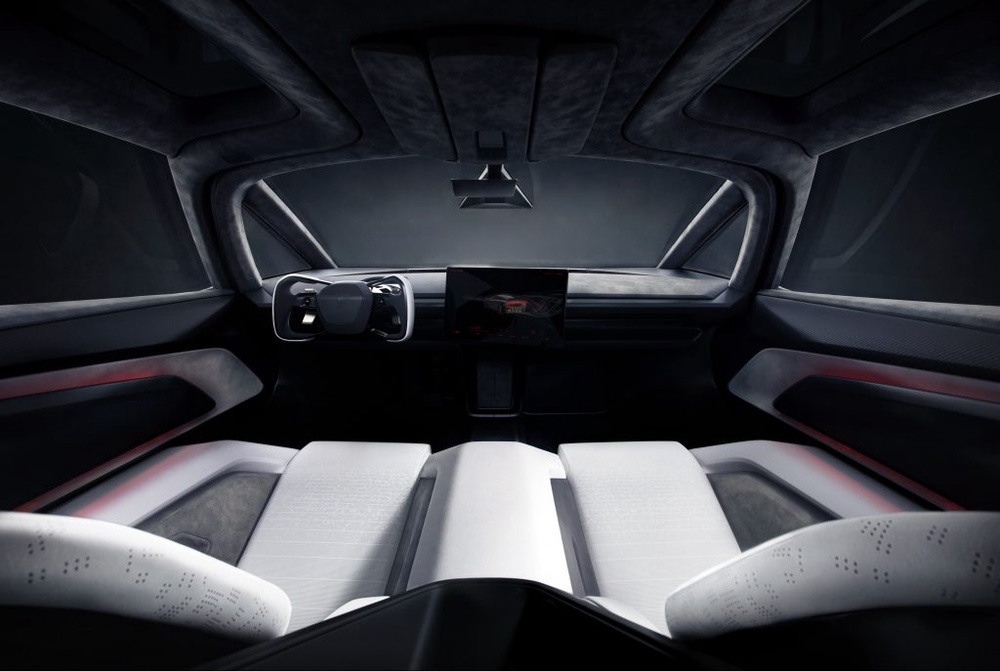
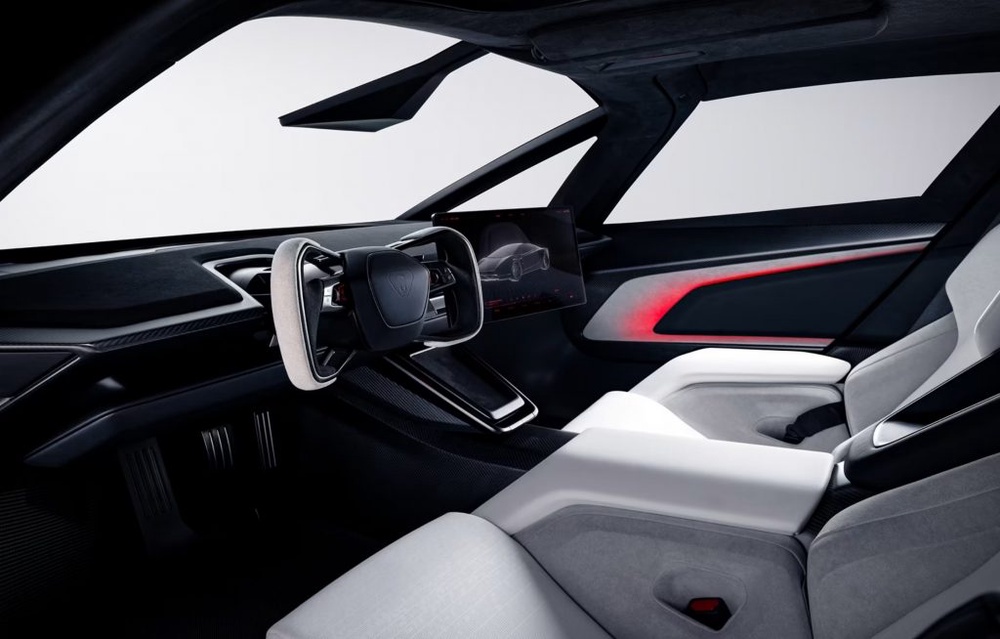
Inside, the Roadster features an Ultrawhite interior with grey microsuede detailing and seat bolsters designed to keep occupants firmly in place during aggressive driving.
Interestingly, Tesla has opted for manual controls and a fixed seating position to reduce weight. The cabin also makes extensive use of lightweight materials, including magnesium, titanium and carbon fibre.
According to Tesla, these weight-saving measures are intended to make the Roadster respond almost instantly to driver inputs.
However, what really sets the new Roadster apart is its approach to generating downforce and acceleration.
The Roadster Performance features a multi-mode suction system that uses powerful fans to extract air from underneath the vehicle. Combined with a ground-sealing system, this creates a low-pressure area that effectively pulls the car towards the road surface.
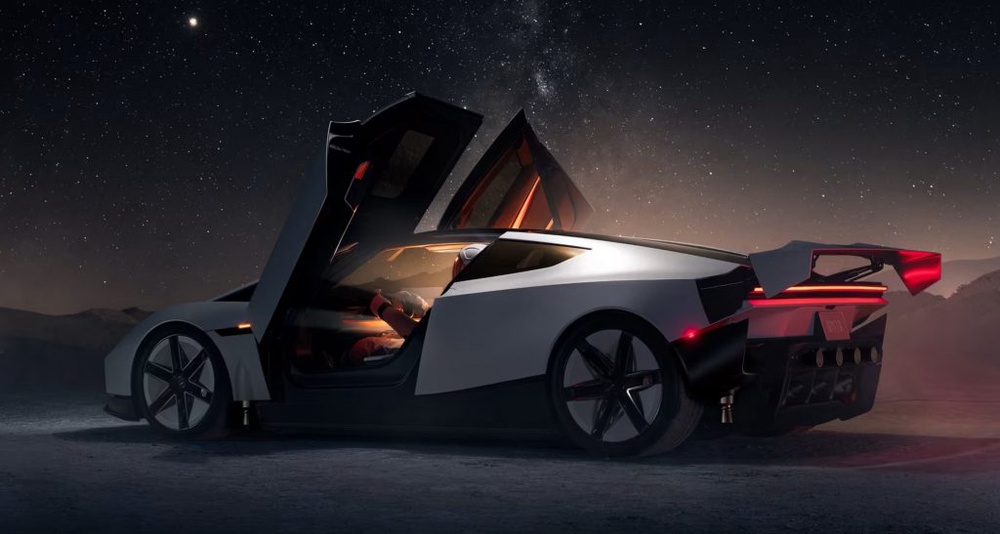
Unlike conventional aerodynamic wings that require airflow at higher speeds to generate downforce, the suction system can deliver significant downforce even when the vehicle is stationary.
Tesla claims the system is powerful enough to hold the Roadster upside down without moving. The powered fans work together with active aerodynamic wings to maximise traction and cornering performance.
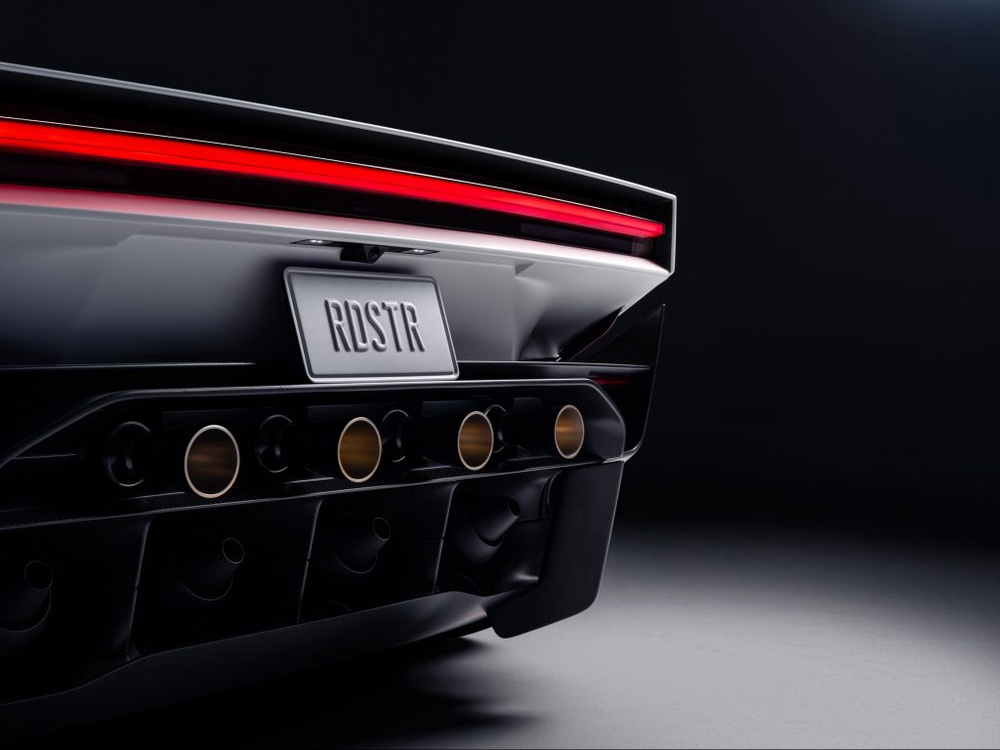
Stepping up to the Roadster Thrust, this limited-release, race-focused version adds rear-mounted cold-gas thrusters for even more extreme acceleration.
Unlike conventional rocket engines that burn fuel, cold-gas thrusters generate propulsion by releasing highly pressurised gas through nozzles. The escaping gas produces a reaction force that pushes the vehicle in the opposite direction.
This allows the Roadster to generate additional forward thrust beyond what its electric motors can deliver through the tyres. Tesla claims the Roadster Thrust can accelerate from 0-60mph (0-96km/h) in under one second.
Tesla has added a “Rocket” to the Roadster
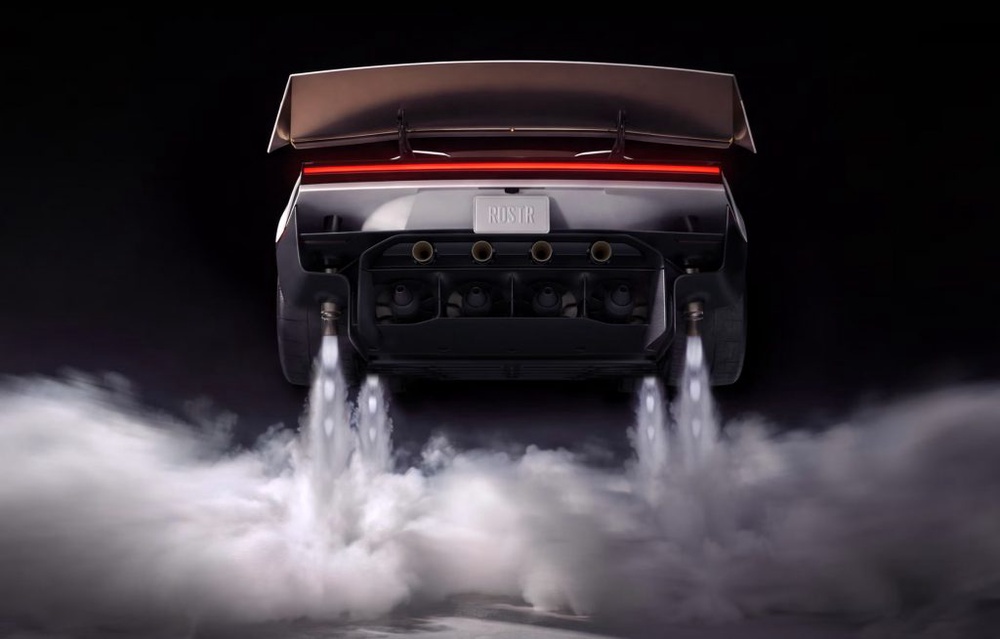
For those who want something even more extreme, there’s the Roadster Rocket, which is available by invitation only.
Unlike the Performance and Thrust versions, which are two-seaters, the Roadster Rocket is designed for a single occupant.
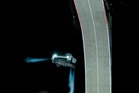
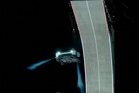
It features additional cold-gas thrusters positioned around the vehicle’s perimeter, allowing it to generate thrust in multiple directions rather than just pushing the car forward.
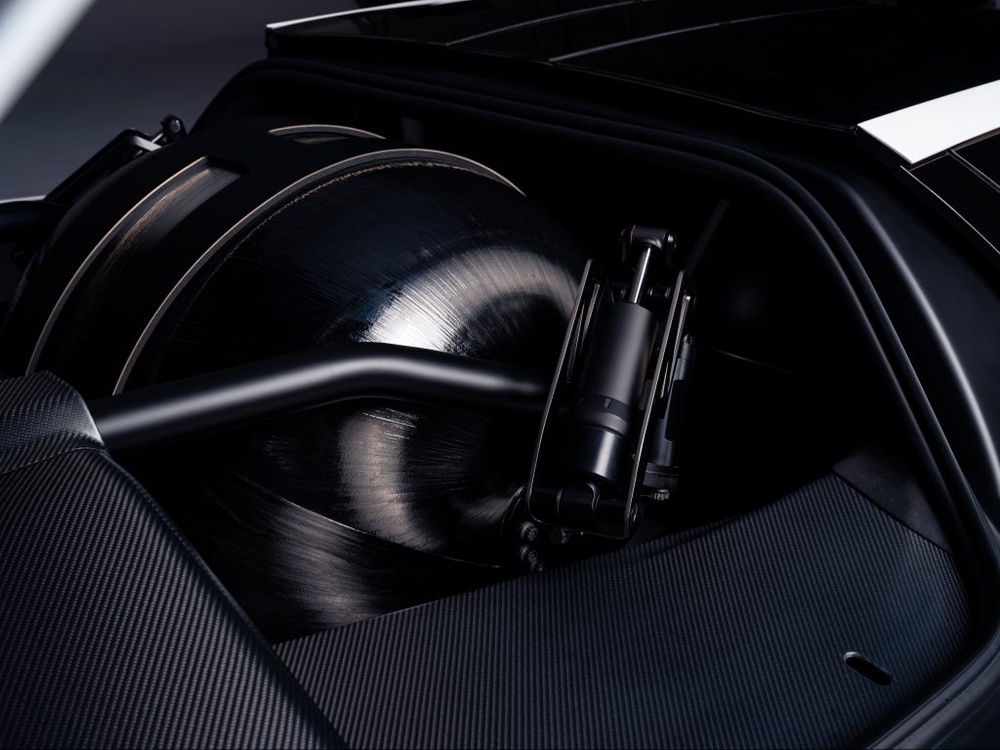
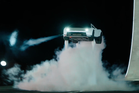
According to Tesla, the Rocket can use these thrusters to generate upward acceleration, allowing the vehicle to lift off the ground like a “flying car”.
The thrusters also feature all-electric actuators capable of making rapid micro-adjustments within fractions of a second. These adjustments help stabilise the vehicle and control its orientation while airborne.
Essentially, Tesla is combining an electric sports car with a propulsion system from its SpaceX know-how to allow the vehicle to perform manoeuvres like a rocket ship.
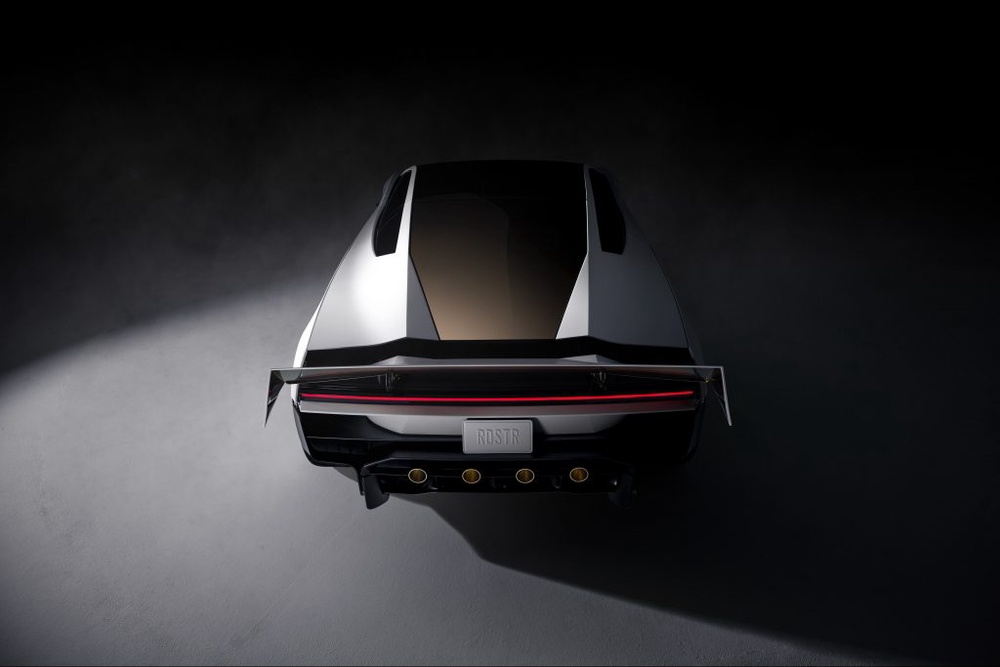
However, the Roadster Rocket isn’t approved for public road use, and Tesla notes that this version may not be available in all regions. We doubt it would be getting JPJ approval anytime soon.
Tesla has yet to reveal the full technical specifications for the production thruster system, including its operating pressure and gas storage capacity.