Author: Dr Azlin binti Ithnin, Haematopathologist, Pathology Department, Hospital Canselor Tuanku Muhriz UKM (HCTM); Vice President of Malaysian Sepsis Alliance (MySepsis)
Co-authors: Dr Khaizurin Tajul Arifin, Department of Biochemistry, Faculty of Medicine, Universiti Kebangsaan Malaysia, committee of Malaysian Sepsis Alliance; Associate Professor Dr Tan Toh Leong, Consultant Emergency Physician, Faculty of Medicine, UKM; Founder and President, Malaysian Sepsis Alliance
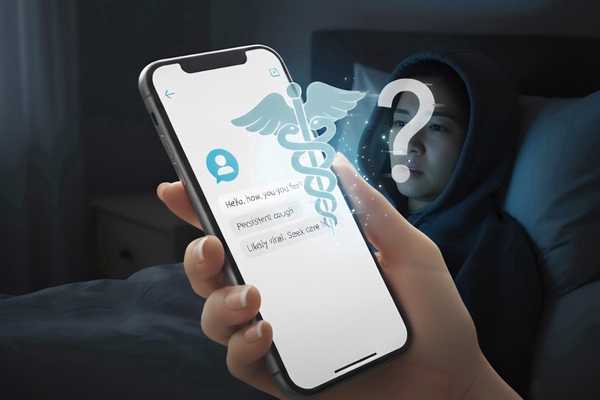
If you’ve ever watched a sci-fi movie where computers help humans make life-saving decisions, you might think all that high-tech magic is still far away. But step inside a modern Malaysian hospital today—whether it’s Hospital Kuala Lumpur, Hospital Ampang, or even some district hospitals— you’ll discover that a quiet revolution is already happening. It’s called Artificial Intelligence, or simply AI, and it is slowly transforming the way doctors study and treat diseases of the blood.
Haematology—the science of blood, bone marrow, and blood-related illnesses—might sound complicated, but it affects nearly every Malaysian family in some (Handbook Of Services In Clinical Haematology Referral Laboratory, Hospital Ampang). From common conditions like anaemia and thalassaemia to more serious illnesses like leukaemia and lymphoma, AI is becoming one of the important partners our doctors have in understanding the secrets hidden inside our blood.
A New Kind of Microscope
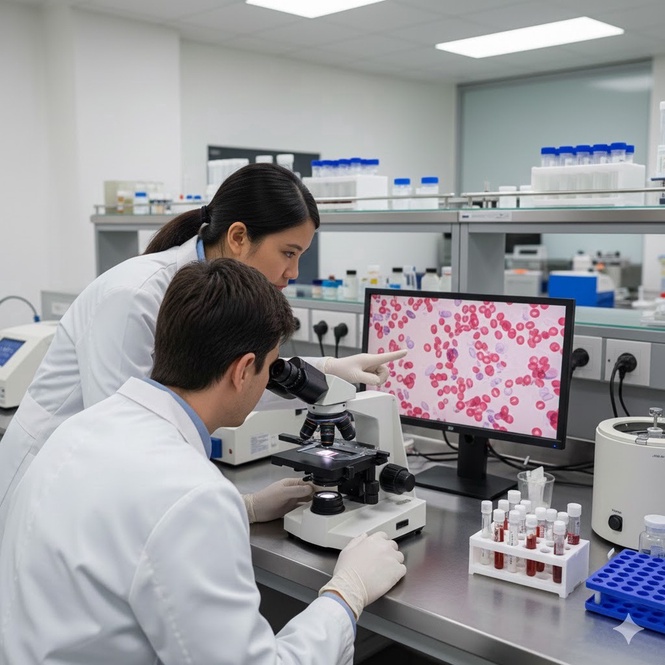
For generations, blood investigation has relied on the same classic image: a scientist in a white coat peering into a microscope, carefully studying each blood cell. It’s a skill that takes years to master. But even the most skilled human eye has limits—especially in busy Malaysian laboratories that process hundreds of samples a day.
That’s where AI steps in.
Machine learning tools—basically computers trained to recognise patterns—can now scan blood smears much faster than humans. After being shown thousands of images of normal and abnormal blood cells, AI can quickly tell the difference between a harmless variation and something more serious. It can spot immature cells that might suggest leukaemia, unusual shapes that point to a type of anaemia, or even tiny parasites like malaria.
Sharper Diagnoses, More Confident Decisions
In Malaysia, centres like Hospital Ampang—our national haematology hub—receive patients from across the country for specialised testing. Tests like flow cytometry, which measure protein markers on blood cells, generate large amounts of detailed data. For humans, interpreting this data requires deep expertise and experience (Handbook Of Services In Clinical Haematology Referral Laboratory, Hospital Ampang).
AI, however, thrives on complexity.
By analysing thousands of data points at once, AI systems can recognise subtle patterns and help classify different types of leukaemia more quickly. Doctors still make the final decision, but AI acts like a highly skilled assistant, offering suggestions and highlighting abnormalities that might be overlooked.
This speed matters. In serious diseases like acute leukaemia, earlier diagnosis can mean earlier treatment—and better chances for recovery.
Personalised Treatment
Malaysia is a diverse country, and that diversity extends to our health profiles too. Two patients with the same diagnosis might respond very differently to the same treatment. Traditionally, doctors rely on guidelines, research, and experience to make treatment plans—but no doctor can analyse the full combination of genetics, lifestyle, lab results, and past patient outcomes all at once.
AI can.
By studying patterns from large numbers of Malaysian patients, AI can help predict who is more likely to respond well to chemotherapy, who may need closer monitoring, or who might face a higher risk of relapse. It’s like giving doctors a roadmap of possibilities so they can plan ahead with more precision.
This is the future of personalised medicine—and it’s slowly arriving in our local hospitals.
The Bone Marrow Revolution
If blood films are challenging, bone marrow slides are even tougher. Bone marrow contains many types of developing cells, each at different stages. Examining them can take a long time and requires even more expertise.
As of today, no specific AI tools are highly trained on bone marrow images yet, as each marrow is complex and difficult to standardise. Future developments would help pathologists classify these cells, count blasts, and identify unusual patterns linked to diseases like myelodysplastic syndrome or multiple myeloma . For Malaysian hospitals with limited specialist coverage—especially in rural areas—AI-assisted bone marrow analysis may one day help bridge the gap in expertise.
AI Behind the Scenes: Blood Banks and Safety
Behind every emergency surgery, accident case, or cancer treatment is a hidden hero: the blood bank. Malaysia’s National Blood Centre (PDN) and state blood banks work tirelessly to ensure enough blood for patients who need transfusions. But maintaining the right supply is not easy. Demand changes with school holidays, festive seasons, weather, and even unexpected disasters (Pusat Darah Negara).
AI can study these patterns and help predict when blood shortages might happen. It can advise blood banks when to run donation drives, how much stock each hospital needs, and how to avoid wastage. AI can even help match donors and recipients more precisely, improving transfusion safety and reducing complications.
This technology is not yet on our shores, but its development will quietly support the entire healthcare system.
Overcoming Challenges
Of course, as exciting as AI sounds, there are real challenges. AI is only as good as the data it learns from. These means Malaysian hospitals need strong digital systems, cleaner data management, and secure ways of sharing information. Patient privacy must be protected at every step. And AI tools must always be supervised by experienced doctors—never used alone (Malaysian Medical Council Guideline).
Still, Malaysia is moving steadily forward. Universities are actively researching AI in pathology and haematology. Some hospitals are already experimenting with digital microscopes and automated image analysis. Private laboratories are exploring AI tools to improve turnaround times (Universiti Teknologi Malaysia News).
Just like how telemedicine has grown rapidly in the last decade, AI in haematology is poised to become part of everyday Malaysian healthcare.
The Heart of It All
Artificial Intelligence will never replace doctors, lab technologists, or scientists. It doesn’t have human judgment, compassion, or intuition. But AI is becoming one of the most powerful tools in modern medicine—helping doctors make better decisions, work faster, and spot danger earlier
In the field of haematology, where every cell can carry a message about health or disease, AI adds speed, clarity, and confidence.
And for Malaysians, this combination of technology and human expertise promises a future where healthcare is smarter, safer, and more accessible—no matter where you live.
陈沱良医生DrSeb (drsebchannel@gmail.com) is a content creator under the Newswav Creator programme, where you get to express yourself, be a citizen journalist, and at the same time monetize your content & reach millions of users on Newswav. Log in to creator.newswav.com and become a Newswav Creator now!
The User Content (as defined on Newswav Terms of Use) above including the views expressed and media (pictures, videos, citations etc) were submitted & posted by the author. Newswav is solely an aggregation platform that hosts the User Content. If you have any questions about the content, copyright or other issues of the work, please contact creator@newswav.com.