

Youth homelessness has reached staggering levels in the UK as thousands of young people go without a home each night.
Some have been forced out of their family home, and many have been abused or endured traumatic childhoods.
All 123,934 of the young people who faced homelessness last year had desperately hoped for a chance to get their lives on track.
With one in 60 young people in the UK facing homelessness, The Independent was moved to act by the sheer scale of the crisis.
It’s why we have decided to join forces with EveryYouth, a network of 21 youth homelessness hubs operating across the UK that help young people get their lives back on course.
With the support of our readers, we have set out to raise £200,000, which will be spent renovating three empty, dilapidated properties in Sheffield, Fife, and Basingstoke into safe and affordable housing for young people.
Many of those young people face widespread assumptions that they are responsible for their situation, and would rather sit on benefits than get a job.
In reality, most of them are up against endless obstacles and hoping for any opportunity to turn their lives around.
As we set out to help young people facing homelessness and tackle the issue, we speak to EveryYouth’s chief executive, Nick Connolly, and separate fact from fiction.
Myth: Young homeless people want to sit on benefits and not work
“I haven’t ever met anybody that says that,” Mr Connolly said. “Most of the young people we’re talking about have had a very disrupted education, so they don’t have the qualifications, and they don’t have the sort of experiences in their network to help them navigate a pathway to work.”
Many young homeless people have no savings or family to fall back on and are competing for entry-level jobs against people who have degrees, as well as a stable home.
The youth unemployment rate was 15.1 per cent between July and September this year, with 688,000 young people aged 16 to 24 not in work.
A national poll published by Centrepoint found that 75 per cent of young homeless people surveyed said the lack of jobs was a barrier to securing employment.
Meanwhile, EveryYouth’s delivery partners say the main challenge for young people seeking employment was the “benefits trap” and the loss of income that would come from getting a job.
Some 43 per cent of young people experiencing homelessness turned down a job because of the effect on their benefits.
Mr Connolly said young people receiving the basic benefit of around £338 a month also wouldn’t be able to cover the costs of getting into work, buying clothes, or even lunch during their first month.
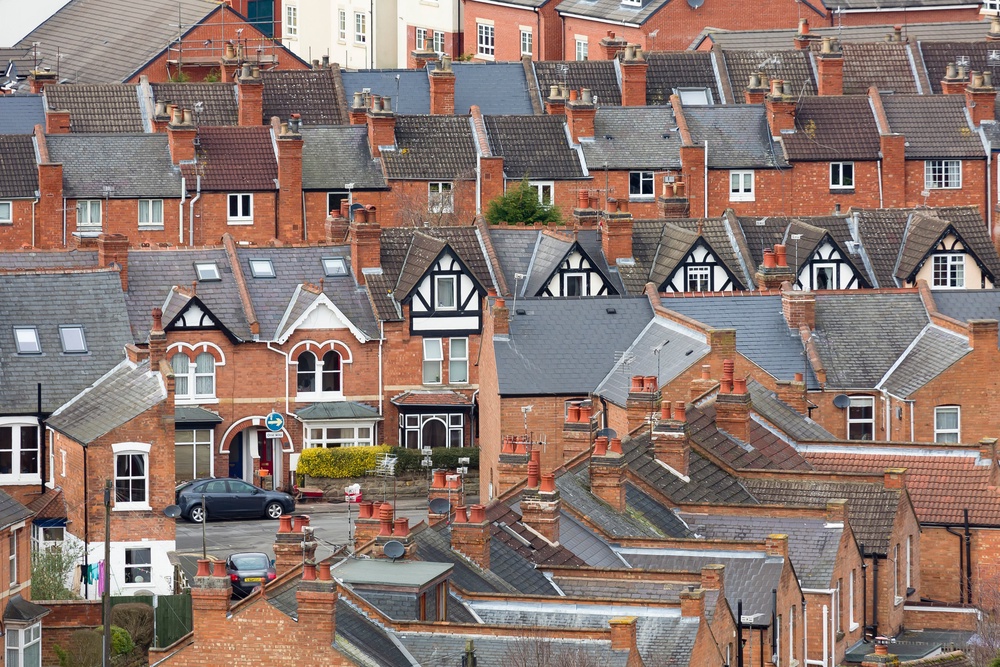
Fact: There are more than 700,000 empty properties across the UK
More than 700,000 properties across the UK now stand empty long-term and are left to decay.
The number of long-term empty homes is now at its highest level since 2009, surpassing Covid pandemic levels when the housing market was closed.
Some 332,963 of them are long-term empty homes, including 260,446 second homes that are out of residential use.
Since the government’s Empty Homes Programme ended in 2015, the number of long-term empties has risen by 66 per cent.
The Independent is determined to reinvigorate and improve communities by breathing life into derelict buildings currently littering towns and cities throughout the UK.
Myth: Young people can always get the help they need
More than a third of homeless young people who approach their local authority in England for support will not be assessed at all.
Data published by Centrepoint revealed that some 40,971 young people did not receive the first statutory step legally required to determine their eligibility or level of need for housing support in the 2024-2025 financial year.
Mr Connolly said young people are up against “unbelievably difficult” barriers and competing systems.
“If you are a young person with a future who just has been really unlucky and it’s all gone a bit wrong for them, there’s nowhere that provides the support that you need.”
The Independent has spoken to several young people who failed to get any support from their local council.
One young man, Mohammed, had been sleeping in a park after being kicked out of home. He was told he couldn’t receive any housing because he was employed, despite not earning enough to afford private rent.
Kieran, who has cerebral palsy and epilepsy, languished on a waiting list for council housing for two years.

Fact: Young people who have traumatic childhoods are more likely to become homeless
Of the young people EveryYouth supports, some 90 per cent have experienced traumatic childhoods and are at a much greater disadvantage than their peers.
Nearly nine in 10 young people who have experienced homelessness say it was related to family breakdown.
Around 70 per cent believe no one ever loved them, while 50 per cent were physically abused by their parents or guardian.
Myth: Young people go homeless because of choices they make
A survey asking young people what drove them to homelessness found that around 51 per cent had no family or friends who could give them a safe place to stay.
Meanwhile, 11 per cent had been experiencing domestic abuse.
Some 7 per cent of young people were evicted from supported housing.
Another 7 per cent had their private tenancy end.
Around 6 per cent of people were forced to leave accommodation provided by the Home Office as asylum support.

Fact: The right support can change young people’s lives
A safe and stable home is crucial for any young person.
The people supported by our Project Nest campaign will not just have a place to sleep, but will also be given practical support services to help them budget, manage their money, and prepare them for the next stages of their lives.
“You can’t really take advantage of those opportunities and that support if you don’t have safety and security of somewhere to live,” Mr Connolly said.
“But the safety and the security of somewhere to live doesn’t mean a great deal if you don’t have access to the support and those opportunities. It’s the two things together that give a young person the opportunity to flourish.”
Geordie Greig, The Independent’s editor-in-chief, said: “Every young person deserves a safe place to call home, yet too many are being forced to choose between a roof over their heads and a job. That is a choice no one should have to make.
“With the help of our readers and supporters, we can turn derelict properties into safe, affordable homes where young people can work, save and build a future. Nine in 10 young people experiencing homelessness had traumatic childhoods – they have been let down once already, and we cannot let them down again. Everyone who helps will not only be creating homes; they’ll be changing lives.”
Read MoreMet Office issues yellow weather warning with rain and flooding to hit parts of UK
Post Office’s expected peak posting day for Christmas 2026 – revealed
What is a sudden stratospheric warming? Weather phenomenon set to hit UK
US rapper Don Toliver postpones O2 London show after Manchester gig evacuated
Hotel Chocolat recalls popular Christmas chocolate boxes over salmonella fears
UK braces for ‘early arrival of winter’ as yellow cold health alert extended