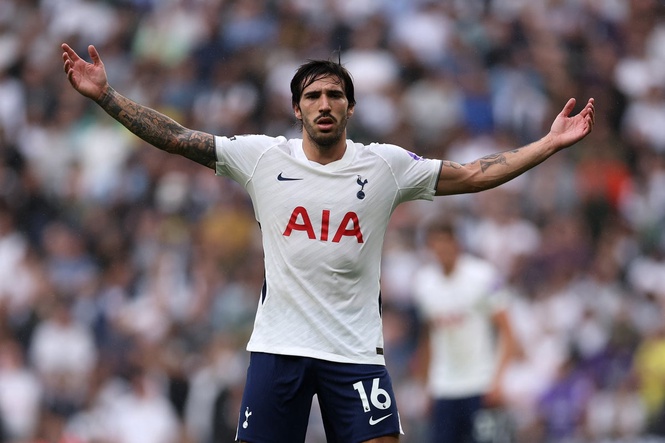
It’s entirely fitting that the biggest ever Premier League transfer, in the biggest ever Premier League window, summed up so much of this window - and, arguably, how a lot of normal football logic has gone.
By the time Chelsea and Manchester City finally sat down for proper talks on Enzo Fernandez, after months of distant tension, there was at least one obvious baseline for everyone. The Stamford Bridge hierarchy could point to the £116m that City themselves paid Nottingham Forest for Elliot Anderson. City had set this market.
Chelsea were going to insist on more for a World Cup-winning midfielder, leaving aside everything else. You could understand some of the logic, the same with the whole deal. It made sense for everyone. Fernandez wanted out, long playing into a situation where Chelsea wanted to sell, and this was the player new City manager Enzo Maresca wanted.
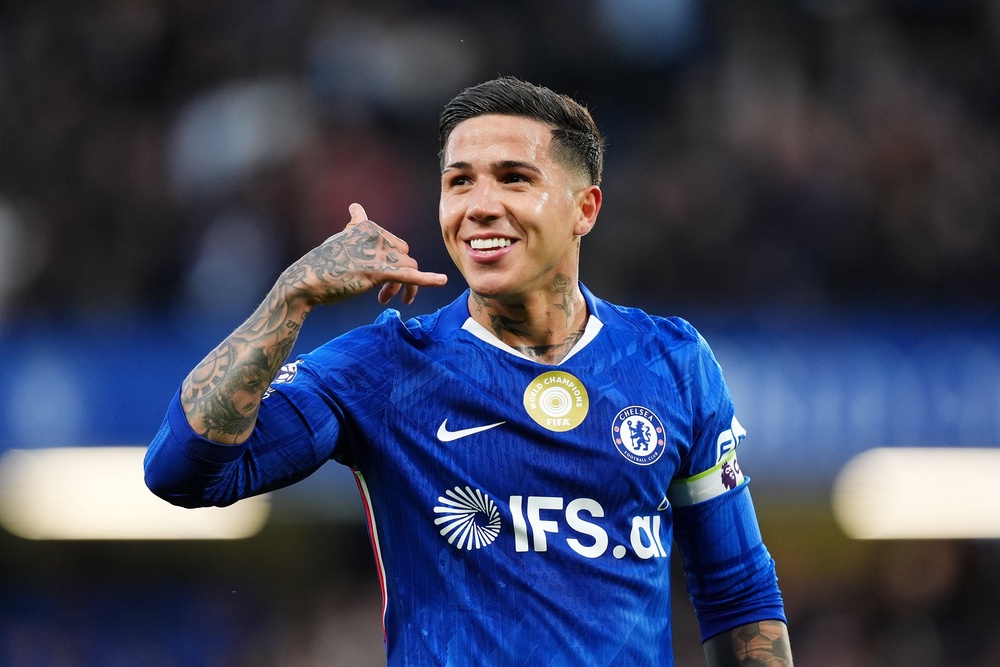
Everybody happy, and yet a lot of bad blood.
Similarly, that logic only goes so far.
Chelsea are directly strengthening a potential title rival, and the insistence on a more face-saving fee could have cost them in another way. Pushing for a record £125m ensured they didn’t ultimately get an alternative, despite that previously being a condition of any deal. Monaco sensationally backed out of the £47m sale of Lamine Camara, in just another illustration of usual norms being defied.
At the same time, is Fernandez even worth anything near £125m? Is he really good enough to again be the most expensive player in the Premier League? City could say any value is relative, especially when their manager wanted him so much.
Others are saying that just shows how the idea of “value” has this summer “gone out the window”.
That was actually a line uttered to The Independent by a few different industry figures at various points over the last few weeks, reflecting how "bizarre" so many found this window. The various bits of theatre over deadline day were a thematically appropriate conclusion, as the collapse of the Lamine Camara deal and chaos at Everton played into a widespread sense of unhappiness and often “fury”.
Most conspicuously, there are the astoundingly high prices. Our Inside Football newsletter last Friday discussed the multiple reasons for this, from the broadcasting money long running through the division to the new profiles of ownership adapting to evolving financial rules. The clubs seem to be looking at the 85 to 115 per cent expenditure allowance as a target rather than a constraint.
For unrivalled football insight from Miguel Delaney, join Inside Football here.
You could even describe it as “late-stage Premier League”, as a mirror of “late-stage capitalism”, and how a concentration of so much wealth erodes traditional norms. Because, beyond the bafflement of the prices, there’s the product of all that on Wednesday morning. None of it feels complete.
More money than ever before has ever been spent, at well over last year’s £3.14bn, but fewer clubs than ever seem to actually be… satisfied. It seems like there is so much unfinished business.
Arsenal still want that forward. Manchester United still want that left-back, as well as other areas. Liverpool still want an entire right side of the pitch.
And yet even pointing to some of these positions as if they are final pieces overlooks how so much of this window seemed to deviate from the old ideas of squad-building.
That could be seen in the number of clubs looking to do a high quantity of deals so late in the window.
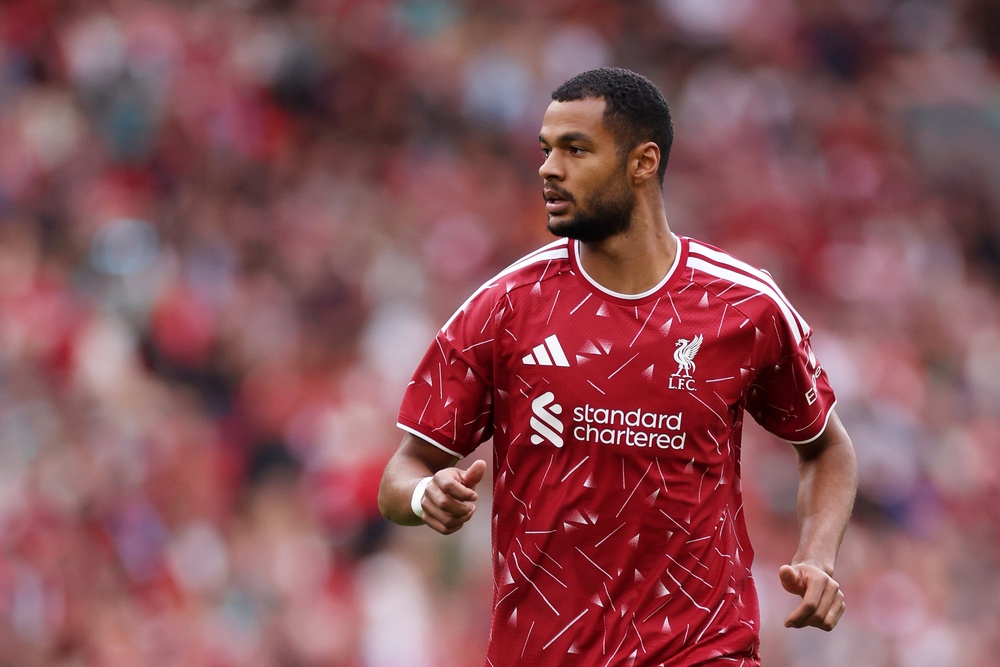
Even those recently seen as among the most forensic and forward-thinking, like Liverpool and City, were casting around chaotically. Look at the Cody Gakpo situation.
City’s completion of the Fernandez deal probably leaves them as among the more content clubs, and their expenditure might usually see them as logical title favourites.
Others point to the absurdity of such expenditure continuing as the City case still goes unresolved. The club insist on their innocence. As regards the spending, they’d also point to the high revenue from sales.
On the pitch, though, can such a huge overhaul really work that quickly? Can a coach impose a system on so many new players?
You can say the same of squads right through the division, from Crystal Palace to Hull City.
Above all - or maybe below - Tottenham Hotspur perhaps sum up how it’s so hard to say whether the extent of the expenditure has even been worth it. They're better, yes, but as good as their spending should dictate?
What deals even stand out across the division? It's been hard to keep up, particularly with whether signings can even fit together. The Premier League list of transfers looks like the closing credits of a James Cameron film.
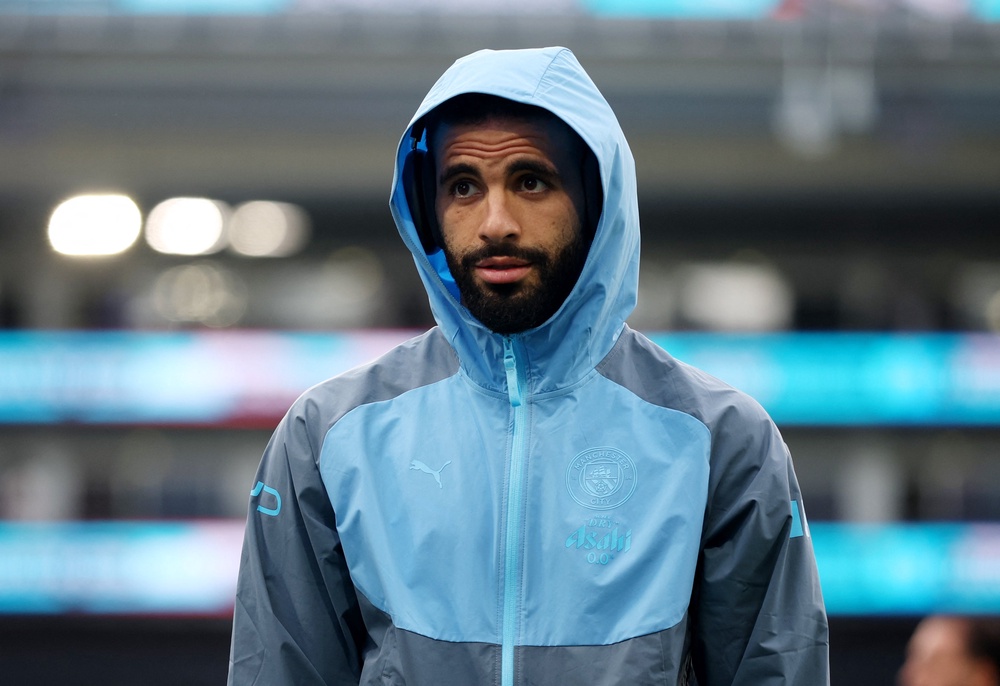
As one figure quipped, the scene at City as Manchester United surprisingly approached for Rayan Ait-Nouri, at the same time as they were doing Fernandez, must have been like the player trading in Moneyball. Just constant calls and activity.
For the Premier League as a whole, though, that description probably goes beyond a joke. Many sources have likened the sheer quantity of business to the trading in American sports.
A common opinion is that more deals than ever seem to be made for business reasons rather than football reasons.
A significant part of that is adapting to financial regulations, as Aston Villa and Newcastle United would say they know well.
Ironically, or maybe inevitably, both look to have done good business. As we know well, though, only the pitch will tell us that.
On that pitch, the coaches now have to make sense of all this, but it does feel like a summer where even the growing influence of the sporting directors above them was superseded.
This window was more about the owners, and it is not a coincidence that we saw such American-style “trading” when there are so many American capitalists running clubs.
You can even extend this to the way direct rivals like the Manchester clubs were willing to do business, in a way that used to be anathema.
Some insiders put it down to the reality that these owners already do business in many other fields. Others have noted the symmetry in dealings among clubs with recent regulatory issues.
Many of the same business figures would argue this is a sign of football reaching “maturity” – and how old emotions have been overridden.
Those emotions can still have an important effect, especially as regards the “feel” of a team.
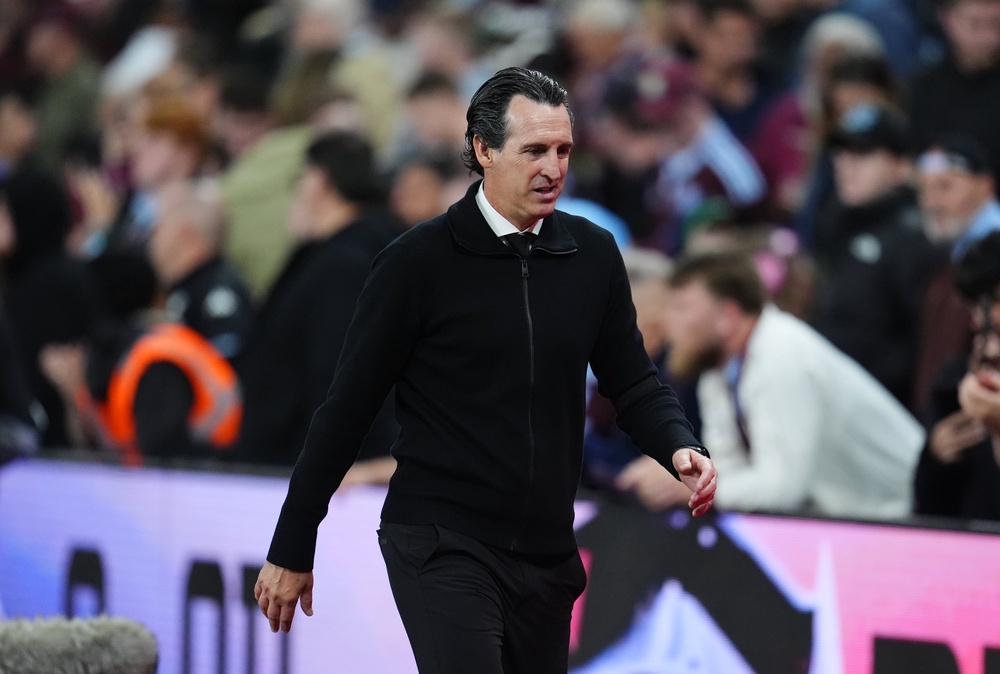
This could be divined in the rare piece of dissent over Everton’s attempt to sell the homegrown Harrison Armstrong. That feels an even more symbolic moment than might be realised, further accentuated by the bizarre state of the David Moyes’ squad. As one social media meme is already going, they have more stadiums than right-backs.
Arsenal were meanwhile rare in building a squad to a specific idea, which is linked to how Mikel Arteta is the Premier League’s longest-serving coach.
And yet it still left them feeling the most acute frustration, as they couldn’t sign the star in Julian Alvarez that they - and arguably the whole division - needed.
That’s one virtue that LaLiga, or really LaLiga’s big two, has over the Premier League.
Brentford, Brighton and Bournemouth are meanwhile rare in standing apart from much of this, and doing business in their own way.
The oddity is that there is increasing testimony of other clubs moving away from such a data-led approach.
The huge deals between English clubs make that obvious. None of them suggested forward-thinking analytics
The Premier League has never seen such turnover, and that from a lot of old logic being overturned.
Read MoreMan City ignored Enzo Fernandez’s red flags – and now they have three issues
Everton’s Folarin Balogun move collapses as striker walks away from £40m deal
Transfer deadline day LIVE: Chelsea furious as Camara deal falls through
Transfer news LIVE: Chelsea furious as deal collapses, deadline day signings in full
Rating every Premier League club’s transfer window after record deadline day
Arsenal’s big transfer failure leaves Mikel Arteta with one choice