It has been one of Formula 1’s underlying ambitions for some time now. And so, upon completion, the tagline was somewhat obvious.
“Racing on every inhabited continent – Africa we’re back,” read the caption for one of several promotional videos on Tuesday, as the sport announced the brand-new “African Grand Prix” in Rwanda to the waiting world.
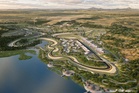
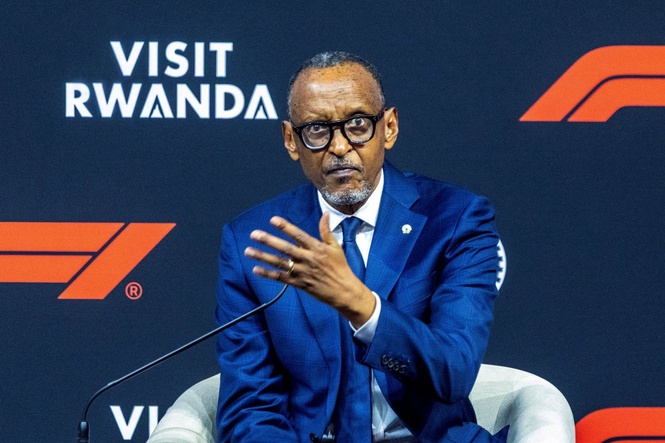
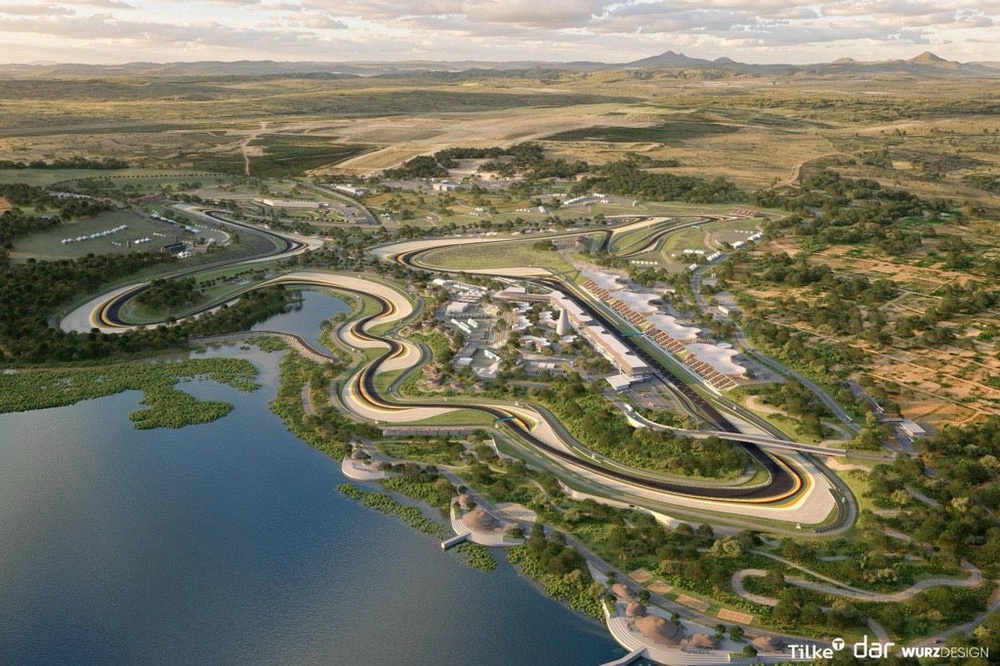
With stakeholders and media watching on in the capital of Kigali, Rwandan president Paul Kagame announced the event and its lucrative 10-year contract. A purpose-built circuit designed by former F1 driver Alex Wurz, revealed to be 6km in length, featuring 17 corners and “197 metres of elevation gain per lap,” will be built 40 miles south of Kigali in the Bugesera region, adjacent to Kigali’s new international airport.
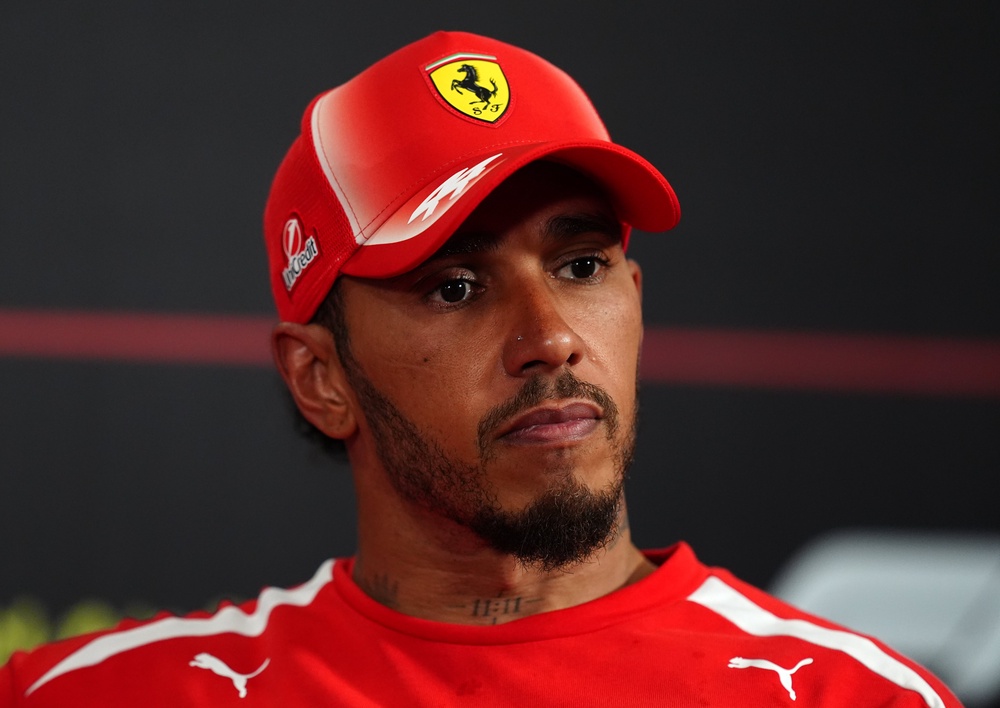
Curiously, a specific date for the inaugural event wasn’t disclosed. Instead, F1 has given itself some wiggle room, simply claiming the contract will start “in the early 2030s.” Lewis Hamilton, whose father is of Afro-Grenadian descent, is the sport’s biggest proponent of holding a race in Africa but will be over 45 by 2030. Hamilton has used past summer breaks to travel to Africa and previously described Rwanda as “particularly stunning” and a “place I felt like I could live.” Fernando Alonso has proved racers can compete into their mid-40s; whether Hamilton will wait it out that long remains to be seen.
Yet the broad timeframe is not the only fascinating topic of discussion. Ever since Kagame announced Rwanda’s intention to bid to host a race two years ago – when the FIA held their annual end-of-season prize-giving gala in Kigali – it has felt inevitable that the relatively fresh riches and ambitions of the East African country would beat off continental competition to stage Formula 1.
For old-school petrolhead fans of the sport, the fact that F1 has not agreed a return to the popular South African circuit of Kyalami – the last host of a race in Africa in 1993 – will be of some disappointment. South Africa’s outspoken minister for sport Gayton McKenzie insisted last week that a Rwandan race doesn’t end hope for Kyalami or, indeed, a street race in Cape Town. Given how long talks have stalled, however, it now feels like South Africa is off the table. Nigeria and Morocco also declared an interest.
Of more relevance at this time, however, is Rwanda’s human rights record and long-held accusations of sportswashing. Amnesty International, for instance, has described Rwanda’s civil society and laws as “deliberately exploited to violate human rights” and “misused to criminalise criticism of the government.”
Human Rights Watch decreed that political opponents have “no real chance of gaining power”, with many rivals to Kagame forbidden from running in the country’s most recent general election in 2024, when Kagame won with a 99% majority. Kagame has been the de facto leader of Rwanda since 1994, when he led the Rwandan Patriotic Front to end the genocide in which approximately 700,000 people were killed over 100 days.
But this will not be Rwanda’s first flirtation with elite-level sport on a global scale. The country’s tourist board “Visit Rwanda” – which will be the main sponsor of the African Grand Prix – has agreed many sponsorship arrangements with high-profile sports clubs, most notably Arsenal in the Premier League. That deal ended in June but ran for eight years and was criticised in some quarters amid Kagame’s support for the M23 militia in the neighbouring Democratic Republic of the Congo (DRC), as well as human rights concerns.
The DRC actually have an active case against Rwanda in the International Court of Justice, accusing it of breaching multiple international treaties covering genocide prevention, racial discrimination, women's rights and torture.
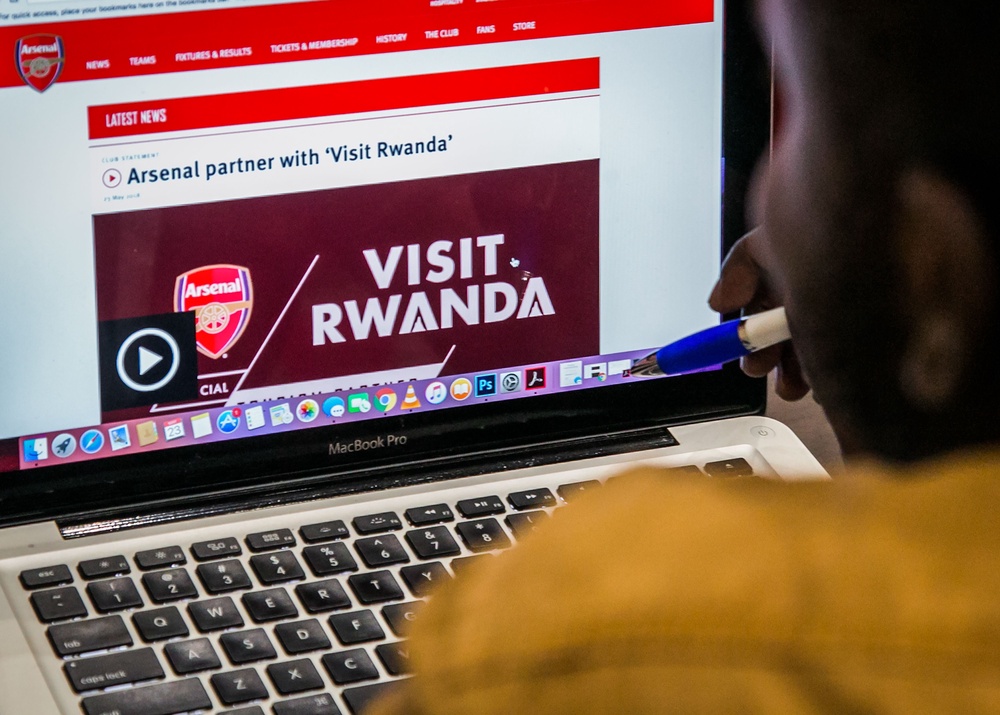
Yet such accusations have not halted Rwanda’s sporting partnerships: Aston Villa, PSG, Atletico Madrid and Bayern Munich, alongside the Los Angeles Rams (NFL) and the Los Angeles Clippers (NBA), all have current deals with the tourism board.
F1 were also keen to stress, amid Tuesday’s lavish ceremony in Kigali, that they have been given assurances that only money from the country’s development board’s investment plan will be used, as opposed to the diversion of state funds. Last month, the Rwanda Development Board launched a five-year strategic plan until the end of the decade, aiming to attract £3.46billion ($4.6bn) in private investment.
As seen in Abu Dhabi, Bahrain and Saudi Arabia, hosting a grand prix can increase tourism, international investment and entertainment. Saudi, in particular, faced similar sportswashing concerns when Jeddah hosted its inaugural event in 2021, as did China back in the 2000s. Formula 1 is acutely aware of such concerns, a source told The Independent, yet insists the sport can provoke positive change in such regions.
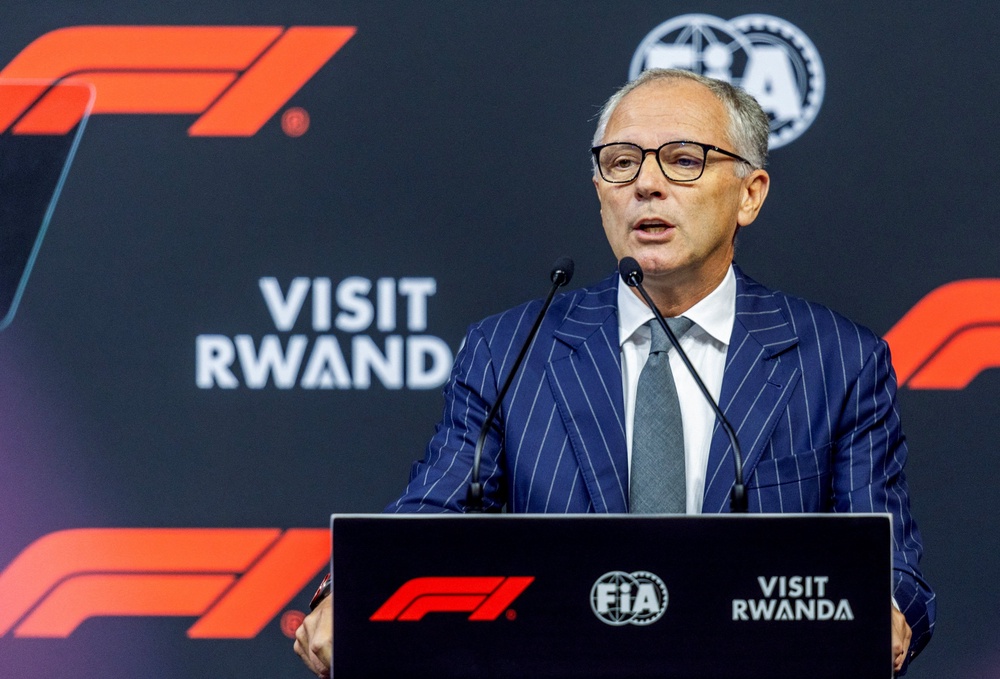
An F1 spokesperson said: "We have the opportunity to inspire and bring the passion of F1 to 100 million people across Africa and sport can be a positive force for good."
For F1 chief executive Stefano Domenicali and Hamilton alike, this news marks the start of a long-heralded dream. Yet with the first event at least half a decade away, there will be plenty of boxes to tick and plenty of questions to answer. Doubters will need to be appeased. One example in recent memory serves as a warning sign: the sport will be extremely keen to avoid a “white elephant” situation akin to Vietnam, where a new track in Hanoi was built for the 2020 season, only for Covid and local corruption issues to throw the prospect of a grand prix to the wayside. Now, the site stands abandoned and derelict.
At a minimum, the project is certainly one of deep fascination. Domenicali described Tuesday’s announcement as “one of the most significant days in the history of F1” – and announced striking figures of 100 million African fans, with almost 60% in key sub-Saharan African markets under the age of 35. On Rwanda, he added: “[It is] a nation that has become a destination for international investment, innovation and opportunity. Most importantly, it is a nation that is looking confidently to the future.
“That future aligns perfectly with the future of Formula 1.”
Read MoreF1 announces return to Africa with ‘landmark’ 10-year Rwanda contract
Lewis Hamilton despondent after making critical error in Singapore: ‘I let you down’