The article below is an excerpt from my newsletter: Well Enough with Harry Bullmore. To get my latest thoughts on fitness and wellbeing pop your email address into the box above to get the newsletter direct to your inbox.
I don’t have the coordinates to the Fountain of Youth. Nor do I have a portrait of Dorian Gray, or an equivalent, for you to stash in your attic. But I do have age-defying information that trumps both of these things.
Why? Because it is real, free and accessible to anyone. And you can find it below.
The body works on a rough use it or lose it basis. If you perform an action often, your nervous system will view it as valuable and maintain it. If you don’t do it for a prolonged period, your nervous system might view it as surplus to requirements, losing access to it over time by allowing related tissues to tighten up.
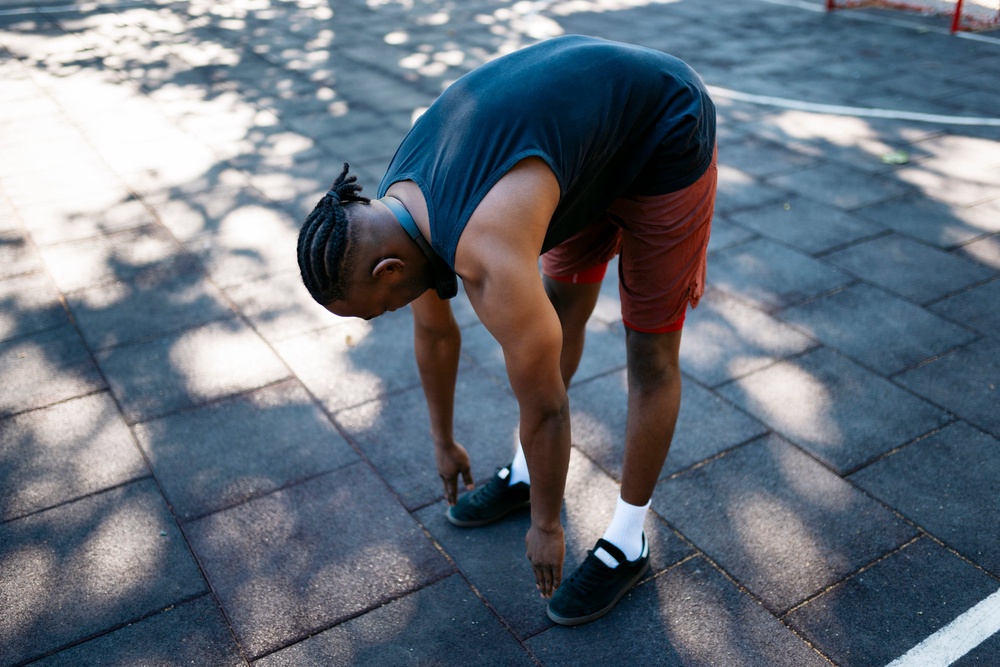
Take touching your toes as an example, or standing up from a chair without using your hands. Most children can do these things easily, while far fewer adults can. If you ask those who can’t about the last time they tried, it was likely a very long time ago. This is no coincidence.
There is a similar story with conditions such as sarcopenia and dynapenia – the age-related loss of muscle and strength/power, respectively. What was once seen as an inevitable byproduct of growing older is now widely viewed as a consequence of declining activity levels as we age.
As Gavin and Stacey’s Uncle Bryn once said: “It’s not how old you are, it’s how you are old.”
The cause of these things is increasing levels of stillness in our lives. The remedy is its antithesis: movement – regular, varied and challenging.
I should caveat that growing older is a good thing, and a privilege. It is the loss of physical capacity and function that so often comes with it that we are looking to counter.
I had the idea for this newsletter while coaching gymnastics to a group of 11- to 16-year-olds. Rather than the rigid structure of sets and reps, or work and rest, seen in most adult exercise classes, each week we play games that involve running, lifting, jumping, throwing, twisting, bending and more. And each week they tend to arrive more physically capable and mobile than the last.
Darryl EdwardsMy prescription would be simple: find moments in your existing routine where movement can naturally fit, then repeat them consistently
There’s a well-worn saying on this topic: “We don’t stop playing because we grow old; we grow old because we stop playing.”
And there’s a kernel of truth to it. As adults, I’ve found most people exercise for one of two reasons: to change the way they look, or because they feel they should for better health. Most children move because it’s fun. And while most children can’t wait to run free during playtime at school, many adults dread their weekly workouts.
One of these groups is likely to build an enjoyable and sustainable exercise habit, maintaining strength, mobility and independence for decades to come. The other is likely to seek the solace of their sofa.
“People often chase the ‘best’ exercise programme, wearable metric or training hack, when consistency would often give them a greater return,” Bupa fitness expert and Primal Play Method founder Darryl Edwards tells me.
“I would rather help someone build a movement habit they enjoy and can repeat than give them a theoretically perfect programme they abandon after a few weeks. Movement should also extend beyond formal exercise. Walking, taking the stairs, carrying, playing, gardening and brief bouts of activity throughout the day all contribute.
“My prescription would be simple: find moments in your existing routine where movement can naturally fit, then repeat them consistently.”
Lifting weights and aerobic exercise still hold plenty of value, but the accessible acts listed above are brilliant for getting the ball rolling, while also delivering better flexibility, improved heart health and a reduced risk of diabetes in the long run.
“Their real strength is behavioural: they make starting easier,” says Edwards. “And when it comes to health, any movement you repeatedly do has far greater value than the perfect programme you rarely follow. Sit less. Move more often. Play even more.”
And if you don’t fancy a traditional gym session or 5K run for your formal exercise, informalise your next exercise session: play instead.
Get the Well Enough newsletter
To receive Well Enough with Harry Bullmore, simply enter your email address in the box at the top of this page.
You can also head to our newsletter preference centre to sign up for the email.
Once there, all you need to do is press the ‘+’ button and enter your email address to sign up.
Read MoreJoe Wicks’ expert team share the five daily habits for better health