
The Rohingya: A People Adrift Between Hostility and Rejection
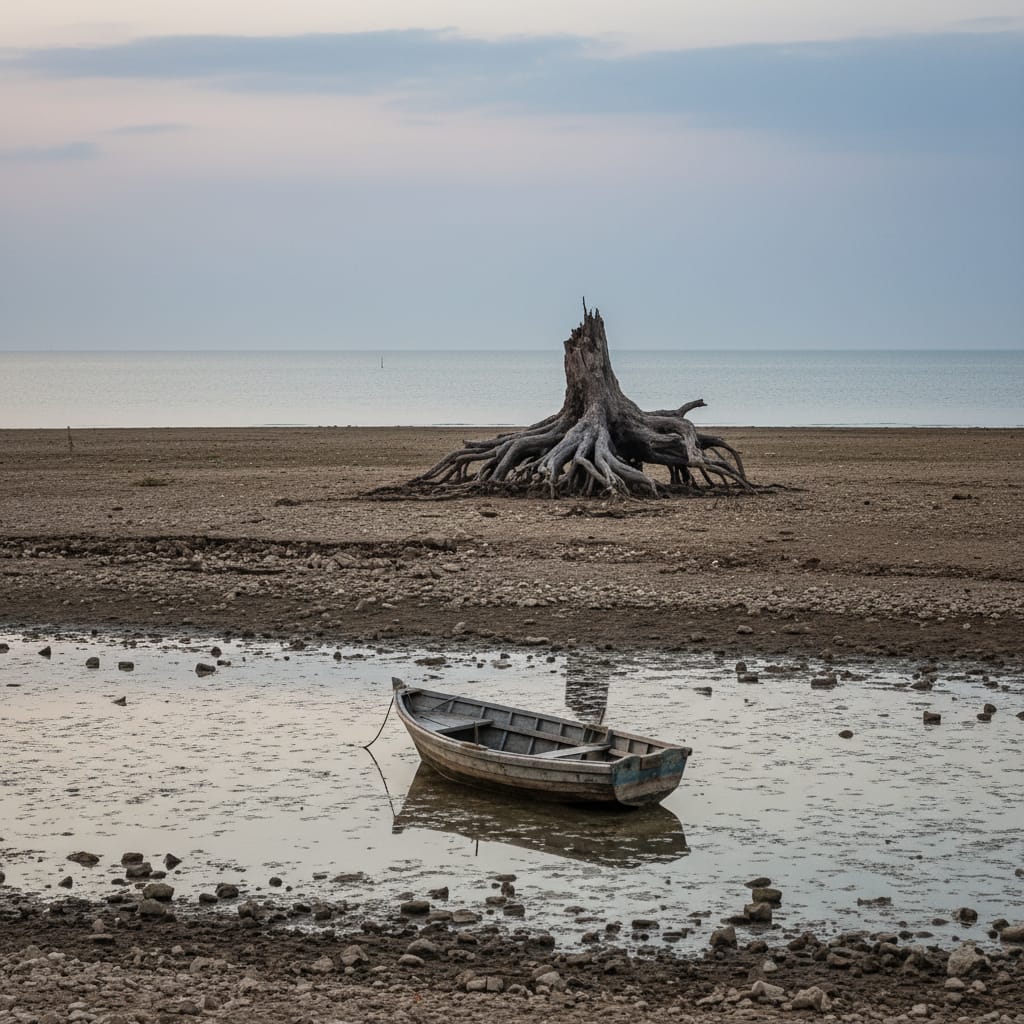
The Rohingya are like a tree whose roots have been hacked away, left standing in soil that refuses to feed or shelter it. An ethnic community rooted in Rakhine State in western Myanmar, they have long been cast as strangers in their own land, their history dismissed, their identity erased, and their existence marked by relentless persecution. For decades, successive Myanmar governments have denied them citizenship, branding them illegal migrants from Bangladesh rather than a people with generations-old ties to the region. This legal exclusion acts like a heavy iron chain, stripping them of every basic right: they cannot move freely, own land, study formally, or work openly. Life for them is a house with all doors locked and windows boarded. Waves of violence have struck like storms—homes burned, villages flattened, families torn apart. The 2017 military crackdown was a hurricane: over 700,000 fled to Bangladesh, carrying nothing but memories and trauma, while reports of killings, abuse, and destruction painted a picture of a community under systematic attack. Yet the Myanmar government has stood like a stone wall, denying all wrongdoing and framing its actions as necessary for national security.
Years of being treated as unwanted weeds in their own homeland turned quiet suffering into rising anger. Over time, voices within the Rohingya community grew louder, calling for autonomy or full separation from Myanmar. To them, the state had become a cage with no key, and integration felt like trying to graft a branch onto a tree that will never accept it. These demands landed like sparks on dry grass, igniting fury among Myanmar’s authorities and nationalist groups. They saw the calls not as cries for justice, but as threats to the nation’s unity and territory. State media and nationalist narratives painted the Rohingya as invaders, a foreign tide trying to wash over the country’s soil. This narrative became a sharp blade, cutting off any chance of dialogue and justifying further crackdowns. What began as a struggle for rights had turned into a political fire, with the Rohingya caught in the middle, viewed not as victims but as enemies to be contained.
With no safe ground left to stand on, hundreds of thousands set out on the sea—becoming boat people, their vessels no better than fragile leaves tossed upon the waves. The journey across the Andaman Sea and Bay of Bengal is a gamble with death: overcrowded boats, little food or water, and traffickers who treat human lives like cargo. Many perish, swallowed by the waters or claimed by hunger and disease, while those who survive arrive on foreign shores hoping for a safe harbor. Malaysia and Indonesia, both majority-Muslim nations, were seen as lands of promise, places where shared faith would be a bridge across difference. But what they found was not a warm hearth, but a cold threshold.
In Indonesia, initial sympathy quickly evaporated like morning mist under a hot sun. Local communities and officials began to see the newcomers as an extra weight on shoulders already carrying heavy burdens. They argued that Indonesia is not a signatory to international refugee agreements, that its resources are stretched thin, and that the Rohingya are an uninvited guest who will drain the country’s cup. Protests spread like wildfire, with demands to send them away, while refugees were confined to camps that feel like open-air prisons—cut off from society, with little support or hope. To many Indonesians, the Rohingya are a problem washed up on their shores, a foreign tide they have no wish to hold back.
In Malaysia, the reception has shifted from open arms to closed gates. For years, the country offered a temporary shelter, but public sentiment has turned sharply, even among fellow Muslims. Large groups of Malay citizens have signed petitions and marched in the streets, calling for the government to expel the Rohingya. They see the refugees as competitors grabbing at the same slice of bread, driving down wages, and crowding schools, clinics, and neighborhoods. The Rohingya have become a mirror reflecting local economic worries and social fears, and instead of seeing people in need, many see a burden they are unwilling to bear. Politicians have fanned these feelings like wind on embers, framing the refugees as a threat to order and stability rather than a humanitarian crisis.
Today, the Rohingya remain a people without a country, adrift between a homeland that rejects them and neighbors who push them away. They are like birds with no branch to rest on, trapped in a storm that never breaks. Their story is a stark reminder of how easily identity can be turned into a weapon, and how fragile safety is for those who have no nation to stand behind them. Until they are recognized as a people with rights, dignity, and a place to call their own, they will continue to wander—an uprooted community caught forever between persecution, political anger, and widespread rejection.
Moy Kok Ming (moykokming@gmail.com) is a content creator under the Newswav Creator programme, where you get to express yourself, be a citizen journalist, and at the same time monetize your content & reach millions of users on Newswav. Log in to creator.newswav.com and become a Newswav Creator now!
The User Content (as defined on Newswav Terms of Use) above including the views expressed and media (pictures, videos, citations etc) were submitted & posted by the author. Newswav is solely an aggregation platform that hosts the User Content. If you have any questions about the content, copyright or other issues of the work, please contact creator@newswav.com.


