
You finish loading your groceries into the car, close the trunk, and look at the empty shopping cart beside you. The cart return is several parking spaces away, and nobody seems to be paying attention. Do you take it back, leave it near the curb, or push it into an empty parking space? This ordinary moment has become an unexpected debate about personal responsibility and what people do when there is no reward for doing the right thing.
The viral shopping cart theory argues that returning a cart is a simple test of character because shoppers generally face no immediate punishment for leaving it behind. Supporters believe the decision reveals whether someone takes responsibility without needing recognition or consequences. However, psychologists caution that one small action cannot reliably determine whether someone is a good person. The debate is less about proving someone’s character and more about why such a simple courtesy inspires strong reactions.
What Your Choice May Say About Personal Responsibility
Returning a cart requires a little extra effort after the main task is already finished. You have paid for your groceries, carried everything to your vehicle, and completed the reason you visited the store. Taking the cart back means accepting one final responsibility even though you could easily drive away instead. For some people, that habit reflects follow-through and consideration for the next person who needs the parking space.
The decision can also reflect how someone views shared spaces. Parking lots serve many shoppers, employees, delivery drivers, and people navigating crowded aisles. Leaving a cart in the wrong place can block a parking space, roll into a vehicle, or create additional work for someone else. Returning it is a small way to make a public space easier for others to use, even when nobody offers praise or thanks.
Why Some People Leave Their Carts Behind
Not every abandoned cart represents laziness or a lack of consideration. Parents may hesitate to leave a young child unattended in a vehicle, while shoppers with mobility limitations may struggle to reach a distant cart corral. Heavy rain, extreme temperatures, poorly placed collection areas, and unsafe parking lot conditions can also influence the decision. Judging someone without knowing the circumstances can turn a reasonable conversation about courtesy into an unfair assumption about their character.
Other shoppers believe collecting carts is simply part of a store employee’s job. That argument overlooks the practical consequences of leaving carts scattered around a busy parking lot, but it also reflects different expectations about customer responsibility. Some stores make returning carts easier by placing corrals throughout the lot, while others require a much longer walk. The surrounding conditions matter, which is why the shopping cart theory should encourage reflection rather than automatic judgment.
The Difference Between Doing the Right Thing and Wanting Credit
One reason the shopping cart debate resonates is that the choice often happens without an audience. Nobody is handing out awards for returning a cart, and most shoppers will never know who put one away. That makes the act an interesting example of how people behave when external recognition is unlikely. Choosing to finish a small task without expecting anything in return can reflect values that extend beyond a grocery store.
Still, motivation is rarely as simple as it appears. Someone might return a cart because they dislike clutter, want to protect nearby vehicles, or have developed the habit over years of shopping. Another person may do it because they know employees are busy and want to make their work easier. These motivations can all lead to the same considerate outcome, and there is no need to prove a person acted from entirely selfless intentions.
Small Habits Can Shape the Way We Treat Others
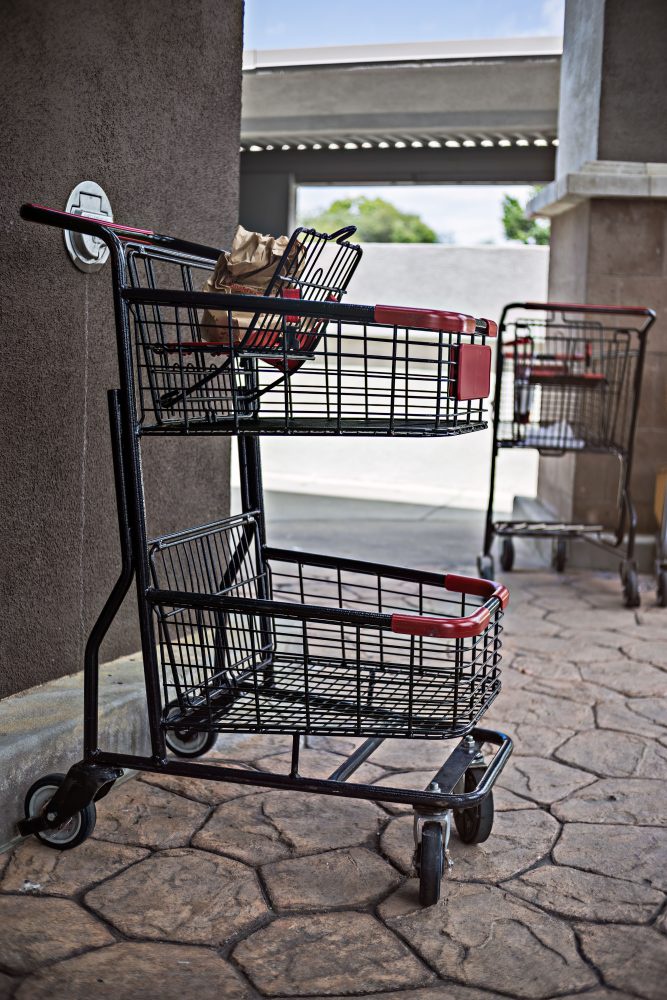
Everyday responsibilities often seem too minor to matter, especially when compared with major decisions involving family, work, or finances. Yet ordinary routines give people repeated opportunities to consider how their actions affect others. Putting a cart away, cleaning up after yourself, returning an unwanted item to its shelf, or holding a door open can make shared spaces more pleasant. These actions may not reveal someone’s entire personality, but they can demonstrate consideration in a moment.
Habits also become easier when people see others practicing them. A parking lot where most shoppers return their carts can establish an expectation that the behavior is normal. When abandoned carts are everywhere, leaving one behind may seem more acceptable. This suggests that individual choices and the surrounding environment can influence each other, making courtesy a shared responsibility rather than simply a personal test.
What the Shopping Cart Test Gets Right and Wrong
The theory gets one important point right: small choices can matter, even when nobody is watching. Returning a cart is a practical way to take responsibility for something you used and reduce unnecessary inconvenience for other people. It can also prompt shoppers to think about whether they routinely leave minor tasks for someone else. That reflection is useful, provided it leads to better habits instead of harsh judgments about strangers.
Where the theory goes too far is treating one decision as a complete measure of someone’s morality. A person who leaves a cart behind may be dealing with circumstances another shopper cannot see, while someone who returns every cart may still behave inconsiderately in other situations. Character develops across many choices, relationships, and circumstances. Rather than deciding who is good or bad based on a shopping cart, the more useful question is whether we make reasonable efforts to leave things better than we found them.