
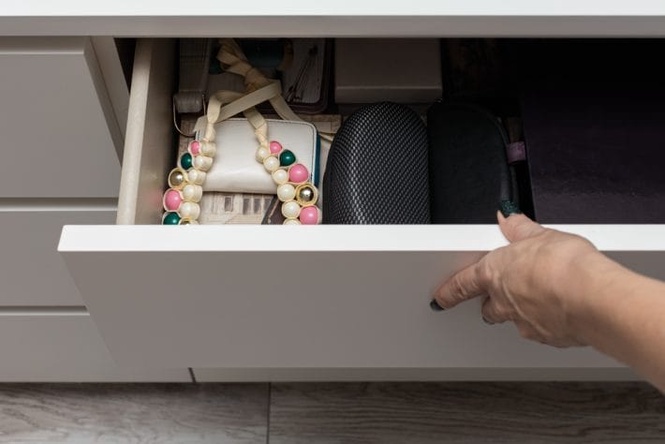
You might think the cash tucked beneath your mattress or the jewelry hidden in a dresser drawer is safe because nobody knows it’s there. Unfortunately, some of the most popular hiding places are also the ones police warn homeowners to avoid. Burglars don’t need to search every inch of a house to find valuables when so many people store their most expensive possessions in predictable locations.
The Naperville Police Department specifically identifies bedrooms, closets, jewelry boxes, and several familiar household hiding spots as places homeowners should avoid using for valuables. While no two burglaries follow exactly the same pattern, understanding these common targets can help you protect cash, family heirlooms, and other possessions that may be difficult or impossible to replace. Here are five places burglars may look for money and jewelry, along with better ways to protect what you’ve worked hard to accumulate.
1. The Primary Bedroom and Nightstands
Your bedroom may feel like the most private room in the house, but that doesn’t make it the safest place to store valuables. Police burglary-prevention guidance specifically warns against leaving jewelry and cash in primary bedrooms, particularly in easily accessible nightstands and jewelry boxes. A thief searching for portable valuables may recognize that bedrooms are where people commonly remove watches, rings, and necklaces before going to sleep.
Imagine keeping a $3,000 engagement ring in a small jewelry box beside your bed, only to discover that the entire box has disappeared during a break-in. Instead of relying on privacy, consider moving expensive jewelry and significant cash reserves into a properly secured safe or another appropriate storage option.
2. Under the Mattress or Bed
Keeping emergency cash beneath a mattress is an old habit that still appeals to people who want immediate access to their money. Unfortunately, it’s also a hiding place specifically mentioned in the Naperville Police Department’s burglary-prevention advice. The same concern applies to valuables stored loosely in boxes or containers beneath the bed, where they may be easy to discover or remove.
For retirees who prefer keeping some emergency cash at home, the better approach is to limit the amount and protect it rather than assuming an old-fashioned hiding place provides security. A small emergency reserve may be convenient, but larger savings generally belong in an insured financial institution rather than underneath your mattress.
3. Bedroom Closets, Dressers, and Jewelry Boxes
A jewelry box tucked behind clothing or a shoebox filled with cash might seem less obvious than leaving valuables on a dresser. However, police warn that bedroom closets, dresser drawers, and portable jewelry boxes are among the locations homeowners should avoid using as their primary security strategy. The problem isn’t necessarily that every burglar will search every drawer, but that these containers offer little physical protection if someone discovers them.
A thief doesn’t need to identify every valuable item when an entire portable container can be carried away. If you own inherited jewelry, collectible coins, or expensive watches, storing them in a properly anchored safe offers better protection than simply hiding them among everyday belongings.
4. Living Room Cabinets and Decorative Containers
Some homeowners move their valuables out of the bedroom and into decorative containers, cabinets, or other household objects. That may make possessions less visible to visitors, but concealment alone doesn’t provide the same protection as a locked and secured storage system. A decorative box containing cash or jewelry can be carried away just as easily as a jewelry box if someone discovers it.
The Charlotte-Mecklenburg Police Department recommends keeping valuables out of sight from windows and maintaining a record of important possessions. Rather than relying on a clever-looking container, focus on securing high-value items and reducing opportunities for someone to enter your home in the first place.
5. Kitchens, Freezers, and Bathroom Hiding Spots
The kitchen freezer and bathroom are sometimes treated as secret hiding places because they seem less obvious than a bedroom. However, police guidance specifically cautions against familiar tricks such as storing valuables in freezers or behind toilet tanks. A container of cash hidden among frozen vegetables might feel creative, but it offers no meaningful protection if the hiding place is discovered.
Bathrooms can present additional concerns because moisture may damage paper documents, currency, or certain valuables over time. Instead of moving money and jewelry from one household hiding place to another, consider whether those items should be stored at home at all.
A Bolted Safe Can Offer Better Protection Than a Hiding Place
If you want to keep valuable possessions at home, security experts recommend investing in protection that makes theft more difficult rather than simply relying on concealment. In February 2026, the Fairfax County Police Department recommended storing jewelry, important documents, and other valuables in a secured, bolted-down safe. A small portable lockbox may protect against casual access, but someone could potentially carry away the entire container during a burglary.
Look for a safe with appropriate burglary resistance, secure installation, and fire protection suited to the items you intend to store. For particularly valuable jewelry or large amounts of cash, a bank safe-deposit box may also be worth considering, although contents are not automatically protected by FDIC deposit insurance.
Your Homeowners Insurance Might Not Replace Everything
One of the biggest financial surprises after a burglary can come when homeowners discover that their insurance doesn’t fully cover stolen valuables. According to the Insurance Information Institute, standard homeowners policies often limit coverage for jewelry theft to approximately $1,500, although actual limits vary by policy. That means someone who loses a $5,000 wedding ring could face a substantial financial loss even if their insurance includes theft coverage.
Homeowners with expensive jewelry should ask their insurer about scheduled personal property coverage or an endorsement that increases protection for specific items. It’s also important to review coverage for cash, collectibles, precious metals, and other valuables because these categories may have separate restrictions or limits.
Document Your Valuables Before Something Happens
Even the best hiding place or security system cannot guarantee that a burglary will never happen. That’s why maintaining a home inventory is another important step in protecting your finances, particularly when you own items that have appreciated in value or were inherited from relatives. The National Association of Insurance Commissioners recommends documenting jewelry with photographs, appraisals, and other records that can help establish its value.
Keep copies of receipts, serial numbers, and important documentation in a secure location separate from the items themselves. If something is stolen, having those records available can make it easier to identify missing possessions, file a police report, and support an insurance claim.
Make Your Home a Harder Target Without Overspending
Protecting your money and jewelry doesn’t necessarily require installing an expensive security system or buying the latest smart-home technology. The Charlotte-Mecklenburg Police Department emphasizes basic precautions such as locking doors and windows, keeping valuables out of sight, and avoiding obvious signs that nobody is home.
Motion-activated lighting, reliable locks, and communication with trusted neighbors can provide additional layers of protection without requiring a major financial investment. If you travel frequently, arranging for someone to collect mail and check your property may also help prevent your home from appearing unattended. The goal is to make unauthorized entry more difficult while ensuring that valuable possessions aren’t easily accessible if someone does get inside.
Protecting Your Valuables Starts Before a Break-In
The biggest mistake homeowners can make is assuming that a hiding place is secure simply because it feels private or unusual. Bedrooms, nightstands, closets, mattresses, and other familiar household locations are specifically identified in police burglary-prevention guidance as places to reconsider storing cash and jewelry. A properly secured safe, appropriate insurance coverage, and a current home inventory can offer stronger financial protection than relying on concealment alone. Taking a few minutes to review where you keep expensive possessions could help prevent a burglary from becoming an even larger financial setback. And remember, protecting sentimental family heirlooms is about more than their dollar value because some belongings simply cannot be replaced.
Have you reconsidered where you keep your valuables at home, or taken additional precautions to protect jewelry and important documents? Share your home-security tips in the comments below.
What to Read Next
The Best Place To Hide Money: Conversations With A Burglar
Don’t Hide Money In The Toilet: Conversations With A Burglar
10 Hiding Spots That Practically Hand Your Cash to Burglars
Safe and Sound: 15 Clever Spots to Hide Your Valuables Where Burglars Never Look
Burglars Love When You Leave These 8 Clues That You’re Out of Town