
MARKET sharing is emerging as a game-changing strategy in Philippine real estate, reshaping how properties, businesses and communities interact. This collaborative model brings together owners, developers and businesses to maximize customer reach, convenience and value by physically integrating their assets like buildings, malls, or residential and commercial spaces. The result: seamless, interconnected environments that benefit everyone involved.
Market sharing in real estate means using physical infrastructure — like bridges, tunnels, and walkways — to connect separate properties. This integration enables the following:
– Shared customer bases: Tenants and owners attract more visitors by pooling their draw.
– Enhanced convenience: Shoppers, workers and residents can easily move between spaces.
– Resource optimization: Shared amenities, utilities and security lower costs and improve experiences for all.
Interconnectivity is the hallmark of this approach, with skybridges, underground tunnels, and covered walkways creating networks that transform isolated structures into vibrant ecosystems.
Metro Manila’s commercial districts are leading the way in market sharing, with several projects showcasing the power of physical integration:
– Ayala Center, Makati, one of the earliest and most extensive examples, interlinks Greenbelt, Glorietta, Landmark, and SM Makati via covered walkways, underpasses, and elevated bridges. Shoppers and office workers can traverse multiple malls and towers without stepping outdoors, promoting collaboration among establishments.
– Ortigas Center (Pasig/Mandaluyong): SM Megamall, The Podium, Robinsons Galleria, and others are connected through walkways and planned bridges. The BDO Corporate Center, The Podium, and SM Megamall’s interconnecting walkways make it easy for customers to visit different malls and offices in one trip.
– Bonifacio Global City (BGC), Taguig, boasts a network of pedestrian-friendly walkways, bridges and underground passages linking office buildings, malls like Uptown Mall and Market Market, and residential towers. Future developments will expand this connectivity, creating a truly integrated urban ecosystem.
– Mall of Asia Complex (Pasay): The SM Mall of Asia, Conrad Hotel, SMX Convention Center, and other buildings are joined by walkways and bridges, forming a superblock where events and commerce spill over into adjacent properties.
This is how market sharing changes the game:
– Increase in foot traffic and revenue: Customers are likelier to visit multiple businesses in one trip, benefiting both owners and tenants.
– Collaboration over competition: Property owners shift from competing to creating networks that benefit all participants.
– Improved urban mobility and experience: Pedestrian-friendly connections reduce congestion and enhance safety and comfort, especially in inclement weather.
– Rising property value: Connected spaces are more desirable because of their convenience and accessibility.
– More mixed-use development: Residences, offices, retail and recreation blend seamlessly, creating vibrant, live-work-play communities.
A personal and notable example of market sharing in action is the Rockwell Center in Makati. Here, the Amorsolo Tower, where my sister purchased a condominium two decades ago, stands as a testament to how interconnectivity elevates urban living. For my family, especially my mother, who lived there until she was 80, the thoughtfully integrated community provided unmatched convenience, security and independence.
What sets Amorsolo Tower apart is its direct, secure connection to the Power Plant Mall via covered walkways. Residents enjoy easy access to shopping, dining and essential services without going outdoors, a significant comfort during rainy days or hot afternoons. For seniors, families and busy professionals, this means greater freedom of movement, safety and a higher quality of life.
– This integration benefits everyone: mall tenants and service providers enjoy a steady stream of resident customers, while homeowners gain unmatched convenience and a stronger sense of community. For the elderly, the ability to move safely and conveniently between home and mall — without crossing busy streets — is transformative.
Rockwell Center is a prime example of a trend now seen in Ayala Center, BGC, and the Mall of Asia Complex. These integrated environments foster cooperation among property owners and tenants, redefining competition as collaboration.
More than an architectural strategy, market sharing is a forward-thinking mindset for property development. Connecting buildings and communities creates spaces that are commercially successful, inclusive and resilient. Such environments are ideal for an aging population, young professionals and families alike.
The seamless link between Amorsolo Tower and Power Plant Mall illustrates how market sharing can improve quality of life, drive business, and set a new standard in Philippine real estate. As more developments adopt this model, we move closer to building urban spaces that are integrated, convenient and future-ready.
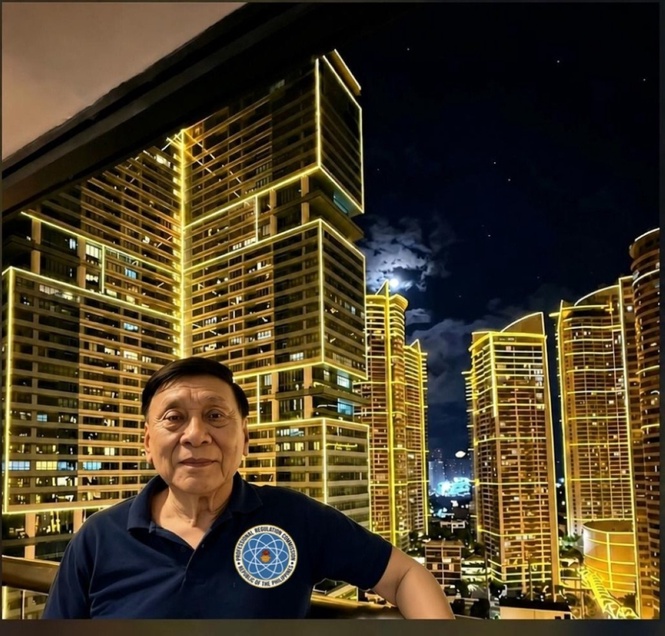
Dr. Eduardo Ong is the first chairman of the PRC First Regulatory Board of Real Estate Service. He is a licensed and experienced real estate broker, appraiser, consultant and educator.