Britons have been warned of a risk to life “for even the healthy population” after a rare red weather warning for extreme heat was issued for parts of the UK.
With temperatures forecast to reach up to 40C on Wednesday, the AA said drivers could see gritters out on roads and cautioned that the heat could put extra strain on vehicles.
The UK Health Security Agency also issued red heat health alerts for the East Midlands, West Midlands, East of England, London, South East, and South West.
Sweltering heat is expected until at least Thursday, with the Met Office expecting the record for the hottest June temperature to be smashed.
The Met Office’s red weather warning, which stretches from London across to Somerset and Swansea and up towards Birmingham, comes into force at 9am on Wednesday and will be lifted at 9pm on Thursday.
“An exceptional spell of hot and humid weather is expected across this region, with impacts to the general population highly likely,” the weather agency said.
The heatwave could bring disruptions to rail, road and air travel with National Rail advising travellers to check their journeys in advance.
Read MoreUK heatwave mapped: Where is going to be hottest this week as temperatures could hit 40C
UK heatwave forces four horse racing meetings to be abandoned
‘Pollen bomb’ set to cause hay fever misery for millions as temperatures soar across UK
Key Points
- UKHSA warns of danger to life as red heat health alerts issued
- Met Office issues rare red weather warning
- Met Office warns temperatures could hit 40C as extreme heat warnings issued
- Will schools close during the June heatwave?
- Weather warnings in place until Thursday
Pupils being sent home early and told to attend school in PE kit amid heatwave
14:54 , Harriette BoucherA school in Warminster will be closing early this week due to the high temperatures.
Kingdown School has told parents that children will be sent home form 12.25 and after school care clubs will be cancelled.
It has also told students that they can go to school in their PE kit.
Falkland Primary School in Newbury has also told students they can go to school in their PE kit and said it was waiting for advice on early closures.
“With exceptionally high temperatures expected, children are very welcome to attend school in their PE kit this week (closed toe shoes must still be worn for health and safety reasons please).
“We are currently awaiting advice from West Berkshire regarding any potential early closures should temperature forecasts hit 35+.”
Watch: Met Office forecasts 'significant' record-breaking temperatures
14:40 , Harriette BoucherBin collections to begin earlier to protect crew from intense heat
14:17 , Harriette BoucherBin collection crews across the country are hitting the streets earlier this week to avoid the extreme heat.
Cheltenham Borough Council, Somerset Council, and South Kesteven District Council are among those beginning bin collections at 6am. Bristol Waste crews will start at 5am.
Bristol Waste said: “To support our hardworking crews and reduce the impact on your collections, we're starting collections at 5am from Monday to avoid the main heat of the day. Please put your bins and recycling containers by this time on your collection day.”
Cheltenham Borough Council said the earlier starts would be in place until the weekend.
It wrote on X: “Due to the amber warnings of extreme heat , Heat-SWEP is active from today in Cheltenham and is expected to remain in place until Friday 26 June.
“Severe weather emergency protocol (SWEP) is activated to protect people who are rough sleeping during periods of extreme weather.”
Met Office five-day forecast
14:09 , Harriette BoucherToday
The best of the sunshine will be across the southeast, where it will feel increasingly hot and humid. Elsewhere, it will be rather cloudy, with a little showery rain possible at times, particularly across parts of Scotland and northern England.
Tonight
A widely warm night with mostly light winds. There is still a chance of showers across some central areas, but most places will stay dry.
Tuesday
Any showers will soon clear into the North Sea, leaving all parts of the country widely fine, settled and hot. It will feel particularly hot and humid across the south.
Outlook for Wednesday to Friday
Extremely hot and humid in southern and central parts of England and Wales. Strong sunshine at times, but increasingly cloudy by Thursday with showers. Becoming slightly cooler from Friday.
AA warns gritters will be on UK roads this week
14:08 , Harriette BoucherThe AA said drivers could see gritters out on some roads this week with the potential for surfaces to soften or become sticky under the heat, with heavy traffic even causing them to rut in some places.
Edmund King, AA president, said: “The main risk for drivers is not that the road suddenly ‘melts’ everywhere, but that patches can become tacky or uneven. That can affect braking, steering and grip, especially for motorcyclists and cyclists, and can also throw up loose material.
“If drivers come across a softened or damaged surface, they should slow down, avoid harsh braking or steering, and leave extra space from the vehicle in front.”
The AA also warned that heat can put extra strain on vehicles, with under-inflated, damaged or old tires particularly likely to fail in hotter conditions.
“Before a long journey, check tyre pressures, tread and sidewalls, and carry water in case you are delayed,” Mr King said.
“In these temperatures the advice remains never to leave passengers or animals unattended in parked cars even for short periods when the interior of the car can soon get as hot as an oven.”
Europe heatwave mapped: France bans alcohol and Spain cancels sporting events as temperatures soar to 40C
14:00 , Rebecca WhittakerTemperatures are set to rocket above a scorching 40 degrees celsius (C) in Europe this week, as the continent braces for the hottest weather of the year so far.
European countries have restricted public drinking, cancelled transport, concerts, and sporting events, and are preparing to close schools as they urge people to take extreme precaution in what is likely to be a deadly heatwave.
In France, three people have died as extreme heat strikes the country, forcing nearly 2,700 schools to plan closure with temperatures in Bordeaux expected to exceed 42C on Monday.
Read more here by Alex Croft:

Europe heatwave mapped: The holiday hotspots roasting in 40C temperatures
What is a heat dome? How Europe’s scorching temperatures are driving the UK heatwave
13:40 , Harriette BoucherBritain is bracing for a potentially record-breaking heatwave, with temperatures forecast to soar to 39C, prompting extreme heat warnings and health alerts across the country.
A rare red weather warning for extreme heat has been issued for central and southern England and Wales, in effect from 9am on Wednesday until 9pm on Thursday.
The Met Office has cautioned that this week could surpass the 35.6C June record set in Southampton in 1976, with sweltering conditions expected to persist until at least Thursday.
This unseasonably hot weather is being driven by a significant area of trapped high pressure building in Europe, known as a ‘heat dome’, which is triggering scorching temperatures across the continent.
Here we explore what causes a heat dome and how a heatwave is defined:

What is a heat dome? How Europe’s scorching temperatures are driving the UK heatwave
UK needs to reduce emissions that are driving global warming
13:31 , Rebecca WhittakerThe UK needs to carry on reducing emissions that are driving global warming, Emma Pinchbeck, chief executive of the Climate Change Committee warned.
She stressed that the country also needed to adapt to the kind of “weird heat” forecast for this week.
The committee has recommended cuts of 87% in UK’s greenhouse gas pollution by 2040 on 1990 levels – a proposal the Government has accepted and will be debated by Parliament on Wednesday as temperatures are expected to soar to 39C – and the UK has halved emissions since 1990.
“It’s important that we carry on doing that, because effectively it prevents a world we can’t adapt to,” she said.
But she warned: “Even with action to reduce emissions, this weird heat, these unusual weather events are the world as we will know it. This is going to be much more typical in the UK, even under 2C of warming.
“To make sure we’re protected from that, we need to roll out cooling particularly in places where there are vulnerable people, care homes and hospitals.
“We need regulations to protect workers, particularly those working outdoors in things like construction, and we need to make sure our infrastructure is fit for purpose, so things like our trains continue to run mostly on time,” she said.
On both reducing emissions and adapting the UK to climate change, she said: “This is doable. We just need to do it.”
UK could smash consecutive monthly records for first time in more than a century
13:25 , Harriette Boucher'Vitally important' people understand risk of heatwave, says UKHSA
13:10 , Harriette BoucherIt is “vitally important” that people understand the risk of the intense heat this week, the head of extreme events and health protection at UKHSA warned.
Dr Agostinho Sousa said: “Very hot weather is forecast across large parts of England in the coming days and we are urging health and social care services across the country to ensure they are prepared.
“It is vitally important that people understand the risk posed by high temperatures like these, and take steps to keep themselves and their friends, families and neighbours safe.
“A red heat health alert indicates a risk to life for even the healthy population, but simple actions like staying hydrated, avoiding the sun during the hottest part of the day, and keeping your home cool can make a big difference.
“It’s also important to look out for others, especially elderly relatives, neighbours, and those with underlying health conditions, to make sure they are aware of the forecast and following the necessary advice.”
Climate change is making heatwaves more severe and campaigners are calling for government action
13:09 , Rebecca WhittakerCampaigners warn extreme heatwaves becoming more severe and it is putting lives and wildlife at risk.
Denis Fernando, Friends Of The Earth campaigner, stressed there needs to be “tougher action” from the government.
“Extreme heatwaves are becoming hotter, longer and more severe as climate change intensifies, putting lives, wildlife and ecosystems at severe risk,” he said.
He added: “We can’t cool the planet with sunscreen. We need rapid, tougher government action.
“The UK’s official climate advisers have warned that current government preparations for the climate crisis are ‘inadequate’. That must change.
“Ministers must urgently strengthen the UK’s deficient climate adaptation plans and better protect those most at risk – especially children, older people and disabled people – while also accelerating action to cut the emissions driving the crisis.”
Charity warns heatwave could be deadly for homeless people
12:55 , Harriette BoucherThe heatwave could cause a rise in deaths for homeless people, who are more likely to develop life-threatening heat-related illnesses
Claire Hopkins, the head of specialist rough sleeping services at St Mungo’s, said: “Soaring temperatures can be deadly for those who are sleeping rough.
“On the streets, it can be difficult to access water, sunscreen, and places to shelter from the sun, meaning that those experiencing homelessness have a particularly high risk of developing life-threatening heat-related illnesses such as heat exhaustion, dehydration, or heat stroke.
“It is right to treat this current heatwave as an emergency. As ever, St Mungo’s teams are prepared to respond to this critical situation.
“We will continue to work tirelessly, with the support of local authorities, to ensure people sleeping rough have access to water, shelter, and sun cream. We will also increase the number of Outreach shifts taking place during this time.
“People can help those who are sleeping rough during the hot weather by offering water or sun cream, and can also contact Streetlink to connect people experiencing homelessness with local support.
“When somebody requires urgent medical assistance, call 999.”
In pictures: Londoners soak up sun as heatwave develops
12:41 , Harriette Boucher


Tropical nights will make it hard for Britons to recover this week
12:30 , Harriette BoucherBritons will suffer through abnormally hot nights this week, with temperatures not expected to dip below 20C, the Met Office warned.
“As well as very high daytime temperatures, there will be consecutive nights where temperatures do not drop below 20C, which is called a Tropical Night,” deputy chief forecaster Mark Sidaway said.
“This will make it very hard for people to recover from the daytime heat, exacerbating the heat stress impacts.”
“Red warnings are reserved for the most severe events and we’re expecting severe and significant impacts from this heatwave, with health impacts likely for many, even beyond those who are normally more vulnerable to the heat.
“The last time the UK recorded temperatures this high was in July 2022, but on this occasion the heat is expected to be accompanied by high humidity.”
'Incredibly alarming' if temperatures hit 40C
12:20 , Harriette BoucherThe UK has not learnt its lesson after temperatures hit 40C in 2022, a climate scientist has warned.
Friederike Otto, a professor at Imperial College London, said: “Our first 40C day was supposed to be a wake-up call, but clearly someone hit snooze. Hitting 40C again – and in June this time – would be incredibly alarming.
“There’s a sad inevitability to all of this, with scientists like me trotting out the same quotes year after year. Yes it’s climate change, yes it’s us, no it’s not El Niño.
“Simply put, we remain on a one-way trip towards a more dangerous future, and it’s time we hit the brakes.
“Right now, children are struggling to finish their exams in sweltering classrooms and the elderly are enduring dangerously hot homes and care facilities with little relief.
“This heat is not an inconvenience, it is a growing public health threat. Every heatwave puts lives at risk, and it’s long past time we treated it with the urgency it demands.”
Teacher's given guidance on how to deal with heatwave
12:13 , Harriette BoucherThe National Association of Head Teachers (NAHT) has written to all its members with guidance on dealing with the heat this week.
The union, which represents leaders in the majority of schools in England, Wales and Northern Ireland, said its advice relates to the impact on pupils and staffs, legal positions and when to consider closure.
Paul Whiteman, NAHT general secretary, said: “While there is no legal ‘upper limit’ for temperature in schools, (school leaders) will certainly be doing all they can to mitigate the effects of such high temperatures.
“For most, this will mean making straightforward adjustments such as limiting the time spent in the sun during breaks, ensuring additional water is available, making adjustments to uniform expectations where appropriate, and ventilating classrooms as best they can.
“If, as it appears, warmer summers are going to become the norm, then government really does need to act more urgently to improve and modernise school buildings, including a focus on ventilation and potentially air conditioning. School buildings need to be conducive to learning all year round.”
Can the UK's trains still operate in intense heat?
12:07 , Harriette BoucherThis week’s hot weather will likely impact several train networks, with National Rail already warning of disruption.
Rails in direct sunlight can be up to 20C hotter than the air temperature.
According to Northern Rail, most of the UK’s rail network can operate when track temperatures reach up to 46C, which is roughly equivalent to an air temperature of 30C.
Intense heat can cause railways to expand and start to curve, which is known as “buckling”.
“If monitoring systems detect that a section of track is expanding too much, trains may need to run slower to reduce the chance of buckling, which can lead to delays. If a rail does buckle, the line has to be closed to allow the track to be repaired before trains can run again.”
Hot weather can also cause overhead lines to expand and sag, meaning trains will need to slow down to avoid damaging the lines.
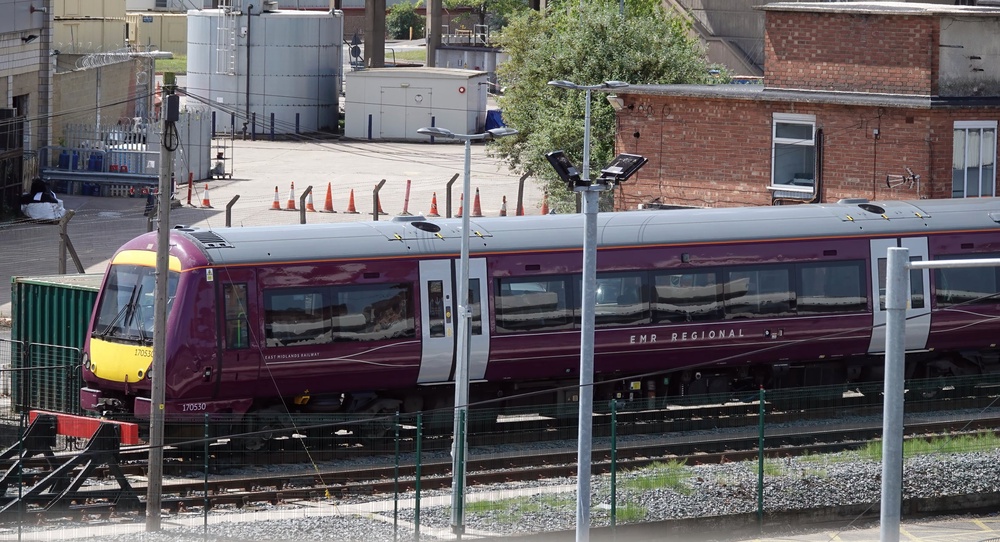
National Rail warns of 'major disruption' across network
11:58 , Harriette BoucherVarious routes across the National Rail network will be disrupted this week due to the extreme heat.
The rail network said the weather could cause overhead lines to expand and sag, line-side fires and also cause rails to buckle.
It said disruption across the network can be expected until Friday, when temperatures will begin to cool.
It has advised customers to check their journeys before travelling, carry water, and avoid boarding a train if unwell.
‘Pollen bomb’ set to cause hay fever misery for millions as temperatures soar across UK
11:50 , Harriette BoucherSenior reporter Holly Evans writes:
Hay fever sufferers are set for a difficult week ahead, as a nationwide ‘pollen bomb’ is predicted across the UK due to this summer’s erratic weather.
The Met Office have warned that pollen levels are set to increase over the coming week, after the grass and weed seasons started earlier and stronger this year due to the warm weather experienced over the second May bank holiday weekend.
Hay fever is an allergic reaction to the fine powder that plants produce, called pollen, usually when it comes into contact with your mouth, nose, eyes and throat.
Symptoms include sneezing and coughing, a runny or blocked nose, itchy and red eyes and can cause headaches and fatigue.
In the last few days, visits to the NHS hay fever advice page have more than doubled, as millions struggle with cold-like symptoms despite the high temperatures.
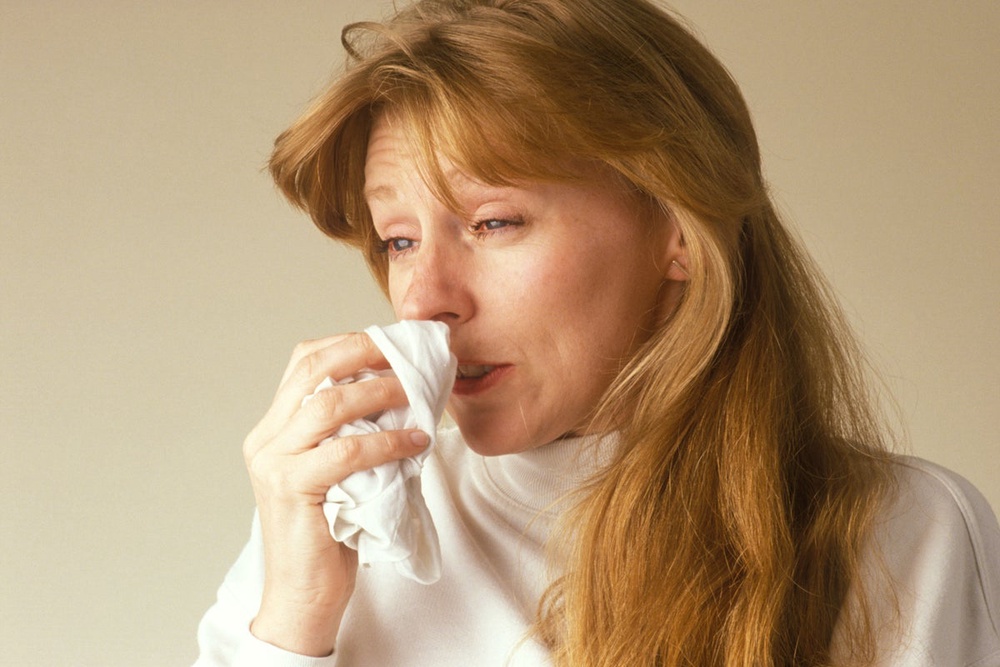
‘Pollen bomb’ set to cause hay fever misery for millions
Exclusive: Super El Niño poses critical threat to 500 million of the world’s farmers, researchers warn
11:49 , Harriette BoucherClimate Correspondent Nick Ferris writes:
The “super” El Niño weather event could see global agricultural output take a $342bn (£260bn) hit, and pose a critical threat to the world’s 500 million smallholder farmers, new research suggests.
El Niño events affect weather patterns globally – and the stronger they are, the more disruptive they can be to human health, agriculture and infrastructure. Forecasters currently suggest that by the winter, this event will become a “very strong” El Niño, sometimes also know as a “super El Niño”.
The figure for the damage to agriculture, shared exclusively with The Independent, was calculated by market research firm Risilience, which carries out climate risk modelling for multinationals including Tesco, Nestle and Zara-owner Inditex. It reflects the value, in last year's prices, of an average scenario for potential losses across 11 major food commodities.
The research is a timely reminder of the threat to both communities in the Global South that depend on rainfed agriculture to survive, and the vulnerability of UK supply chains to extreme weather as the planet heats, according to Andrew William Coburn, a catastrophe modeller at Cambridge University who is also chairman of Risilience.
For campaigners, it is also a reminder of the need for more effective regulation around supply chain due diligence in the UK, which the UK government was supposed to announce earlier this year, but which is now more than two months delayed.

Super El Niño poses critical threat to 500m of the world’s farmers, researchers warn
Employers urged to assess any risks to workers as heatwave kicks in
11:47 , Harriette BoucherEmployers have been told to assess any risks to their workers ahead of the extreme heat expected to hit the UK this week.
Conciliation service Acas said those with health conditions or disabilities may be affected more by hot weather.
Acas said employers should assess any risks and discuss what they need to do, such as providing fans, portable air-cooling units or more frequent or longer breaks.
It may also be advisable for employers to relax the rules for wearing ties or suits, it was suggested.
Acas chief executive Niall Mackenzie said: “The Met Office has issued a weather warning for extreme heat, which will mean an uncomfortable week for many people.
“Some workers with certain health conditions or disabilities may be adversely affected by the heat.
“The hotter weather can also impact public transport, which can disrupt people’s journeys to and from work.”
Multiple weather records to be smashed in England and Wales
11:46 , Harriette BoucherThe current highest temperature on record for June will very likely be broken this week, with 40C forecast for London on Wednesday.
The hottest June day ever currently sits at 35.6C, which was recorded in Southampton in June 1976 and Camden Square in June 1957.
Wales June temperature record of 33.7C, which was set in 2000, is also likely to be broken, the Met Office said.
The June record for Scotland stands at 32.2C and for Northern Ireland it’s 30.8C.
While these are less likely to be broken, the Met Office is still expecting daytime temperatures in the high twenties or low thirties.
The UK will almost definitely experience its hottest day of the year, with temperatures forecast to rise above the 34.8C recorded last month.
If temperatures exceed 40.3C, it could also be the hottest day ever recorded in the UK.
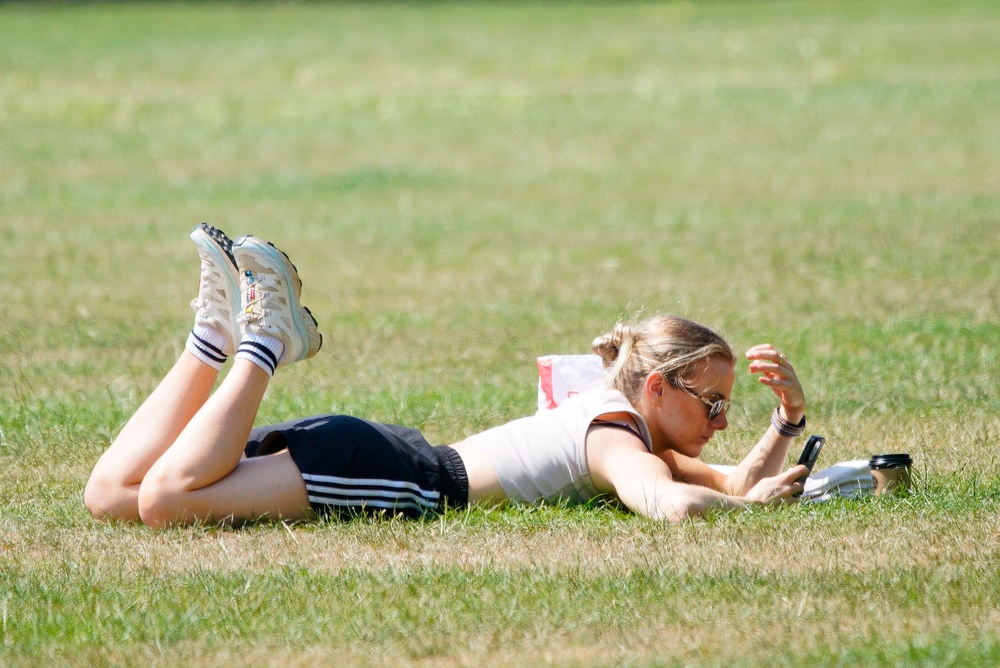
In pictures: Londoners bake in scorching heat on Monday
11:45 , Harriette Boucher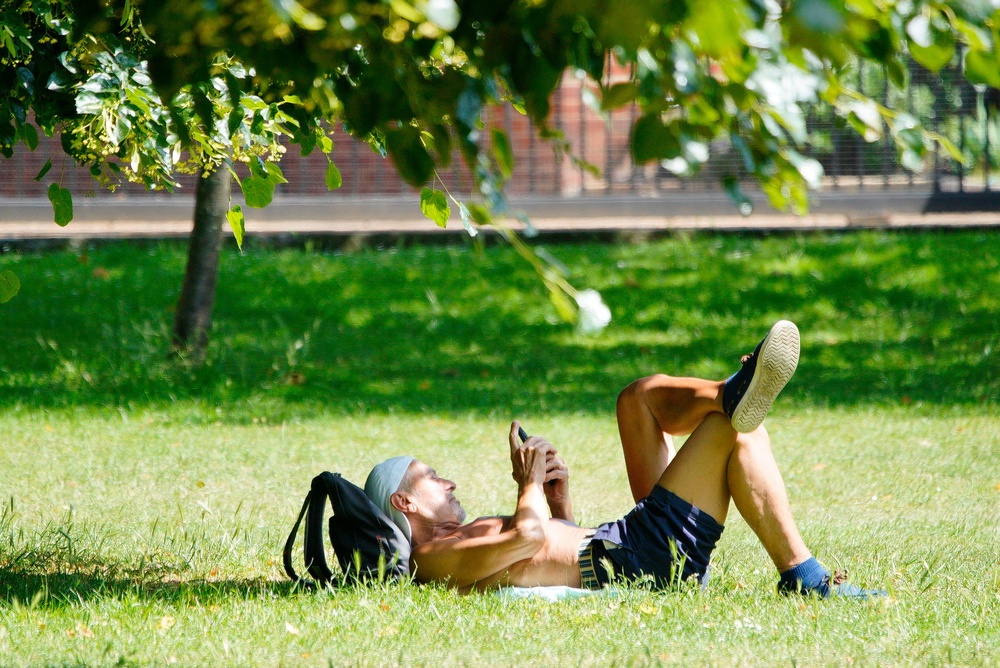

Heatwave will far exceed previous June weather
11:38 , Harriette BoucherAs the Met Office issued a rare red warning for extreme heat, Dr Will Lang, chief meteorologist at the organisation said: “We are forecasting extreme temperatures in the next few days, particularly on Wednesday and Thursday, when it looks like we’ll be seeing maximum temperatures into the high 30s.
“But also we are stressing very high overnight temperatures which will be very uncomfortable for vulnerable groups, and very humid conditions as well.”
He told the Press Association the conditions would far exceed the heat seen in June in the past, and was “a much bigger scale” than the heatwave the UK experienced recently at the end of May.
He also said the extreme heat would be of greater longevity than the record heatwave in 2022, when, for a “short, sharp” period, temperatures climbed above 40C in some places for the first time ever in the UK.
“We’ve got several days into the mid to high 30s, and humidity is a lot higher, so it could be a lot more impactful, including for the general population, so we’re asking everyone to consider their behaviours and travel and how to keep cool in the high temperatures.
“These heatwaves are becoming more frequent and more severe due to the changing climate,” he warned.
Transition to net-zero necessary amid 'alarming' temperatures, climate scientist warns
11:34 , Harriette BoucherA transition to net-zero is “necessary” as the UK continues to smash temperatures records, a climate scientist has warned.
Dr Chloe Brimicombe, climate scientist and heatwave researcher at the University of Oxford, said: “This period of extreme heat is forecasted to be the first heatwave of the summer in the UK and Central Europe and countries like Algeria in Northern Africa.
“Heatwaves are becoming more likely with climate change. It is possible that for a second month in a row record temperatures could be broken – which is quite alarming. The UK record dates back to the infamous 1976.
“The UK infrastructure is not prepared for heat, but there are lots of solutions to build resilience.
“This includes prioritising cooling from heat pumps for the most vulnerable such as care home, hospital, and educational settings. Designing heat safe policies with organisations and employees.
“And understanding how heat increases and planning for that increase in water consumption. A transition to net zero is necessary to stop summers becoming even hotter.”
How to keep cool at home in the heatwave
11:30 , IndyBest’s Deputy Editor Sabrina Sahota writes:At IndyBest we’ve reviewed some of the top gadgets to help you to stay cool as temperatures soar. Our expert appliances tester Joanne Lewsley has tested the best fans, which offer the cheapest and most convenient way to keep cool. If a fan isn’t quite cutting it, she’s also reviewed the best portable air conditioners, which cost more to run but can make a genuine difference in stuffy heat.
Another cooling device growing in popularity are air coolers. These aren’t as pricey as buying an AC unit but unlike a fan, can lower your room temperature by a few degrees.
If you’re on the move and braving a commute, IndyBest’s senior tech critic Alex Lee has also tested the best handheld fans, including the viral Shark chillpill, and the best neck fans
UK cannot withstand extreme heat of current climate, experts say
11:22 , Harriette BoucherTemperatures of more than 43C now possible in the current climate and the UK is not prepared, experts have warned.
Bill McGuire, professor emeritus of geophysical and climate hazards at University College London, said the country’s health services, energy infrastructure and transport are “simply not built for these conditions”.
He added: “As 40+ temperatures become ever more common, expect many thousands sleeping in the streets as poorly insulated homes become uninhabitable heattraps, widespread power cuts as power cables sag and break, transport chaos as rails, overhead wires and signalling fail, and A & E departments overwhelmed by the old, very young, and vulnerable suffering from overheating.”
Richard Allan, professor of climate science at the University of Reading’s meteorology department, said: “A warmer atmosphere’s greater thirst for water also means more rapidly onsetting droughts but also the intensification of extreme rainfall and associated flooding as excess water drained from the soil and oceans is channelled into storms that can often be sparked off by summer heat.
“The reality of global warming talked about when I was young in the 1980s is now playing out, yet the solution to avoid further dangerous climate change remains unchanged – upgrade our industry, transport and agriculture to vanquish greenhouse gas emissions across all sectors of society.”
UK to fund AI weather forecasting as ‘super’ El Niño threatens wave of climate shocks
11:15 , Harriette BoucherClimate Correspondent Nick Ferris writes:
The UK is set to deploy artificial intelligence to help climate-vulnerable countries prepare for extreme weather events, as forecasters warn a potentially record-breaking El Niño could trigger devastating floods, droughts and storms.
The Foreign, Commonwealth and Development Office (FCDO) will be working with the Met Office to introduce the systems across parts of Africa and South-East Asia in the coming months.
"Climate security is affecting all our lives," said the foreign secretary. Yvette Cooper. "When countries are devastated by extreme weather, the effects can be felt all over the world, whether it is through the impact on global trade, the disruption of supply chains, or the increase in food and energy prices.”
"Our new partnership with the Met Office will help countries across the Global South to protect against extreme weather events, and manage the effects of climate change – using British expertise and technology to create a more stable world," she added.
The partnership will see British scientists and meteorologists work with existing weather services in countries, sharing forecasting models, climate data and technical expertise to improve predictions of severe weather events and help communities recover more quickly after disasters.

UK to fund AI weather forecasting as ‘super’ El Niño threatens wave of climate shocks
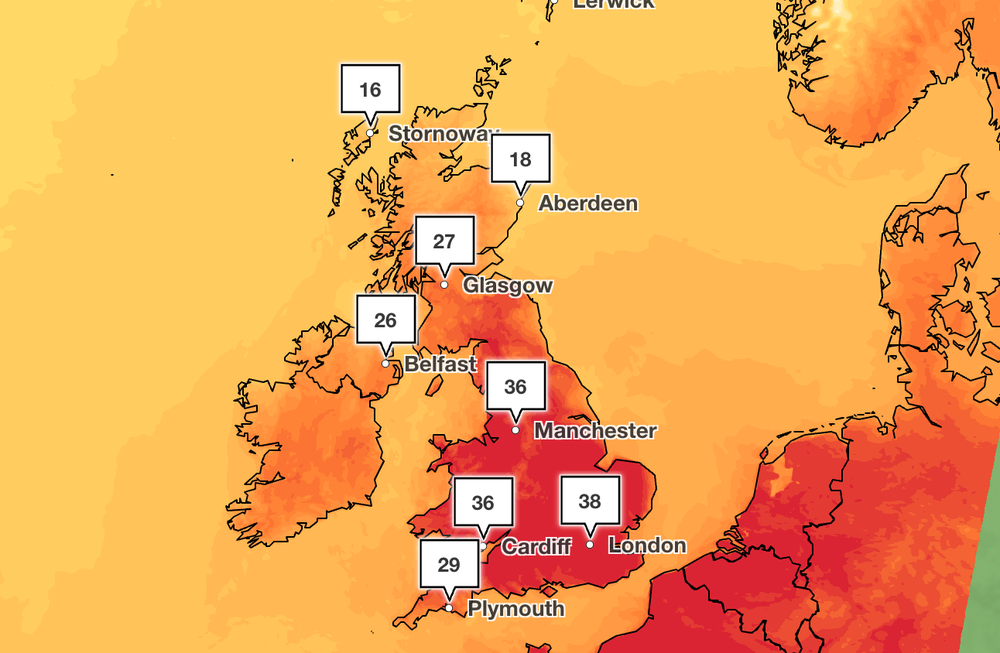
Mapped: How high will temperatures climb during the heatwave?
11:11 , Harriette Boucher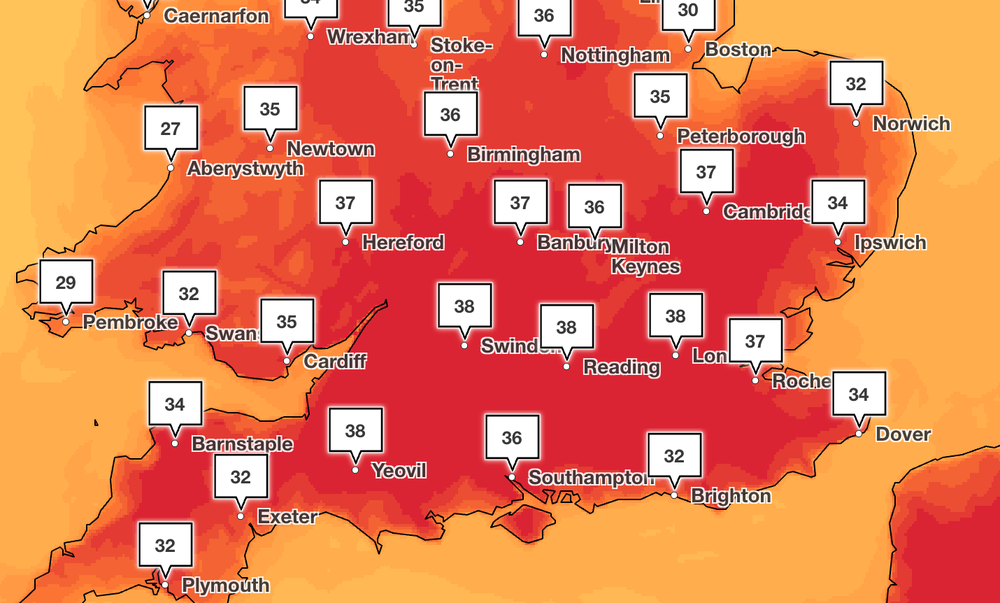
UKHSA warns of danger to life as red heat health alerts issued
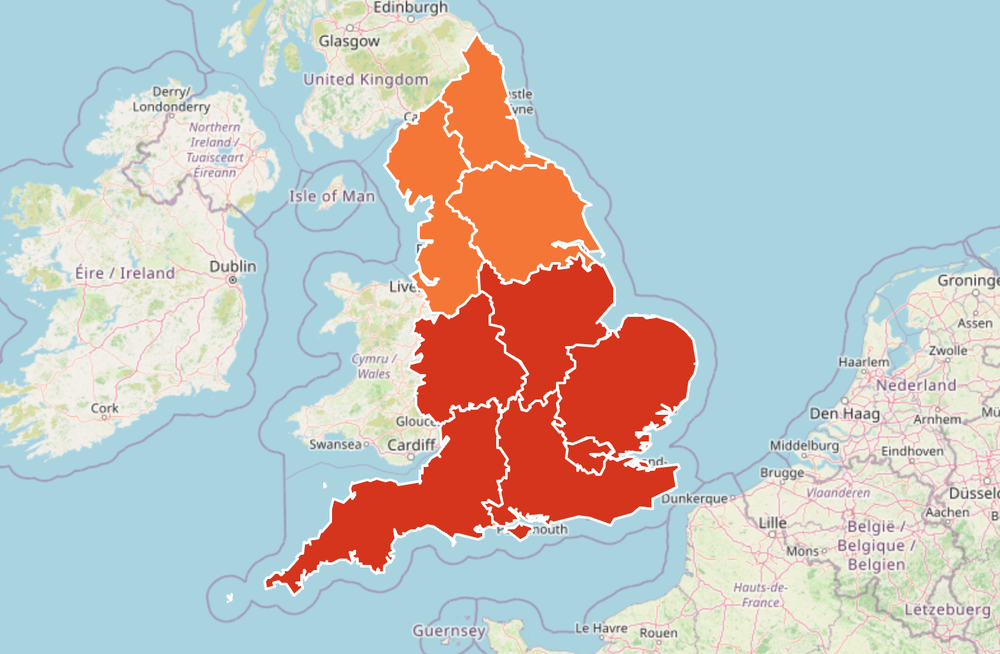
10:59 , Harriette BoucherRed heat health alerts have been issued for large parts of the UK, where extremely high temperatures pose a danger to life.
UKHSA has upgraded its alerts to the highest risk score of 16 in the East Midlands, West Midlands, East of England, London, South East, and South West.
It has warned of an increased risk to life across the whole population, significantly increased demand on all health and social care services, and an increase in water‑related incidents, including cold‑water shock and drowning.
The alerts come into force at 1am on Wednesday and will be lifted at 11pm on Thursday.
Amber alerts are in place in the North East, North West, and Yorkshire and the Humber.
What is a red weather warning and what should Britons expect?
10:52 , Harriette BoucherA red warning is the most extreme weather alert that is only issued when significant impacts are expected.
The Met Office said the heat, which could reach 40C, will bring high humidity, exacerbating the potential for discomfort and health impacts, with very warm and humid night times also reducing the ability for people to recover overnight.
“During the heatwave expected to affect a large part of England and Wales this week, the highlighted area now looks increasingly likely to see a two to three day period where maximum temperatures in the shade exceed 37 Celsius, perhaps rising to 38 to 40 Celsius in some places.
“Significant disruption to daily life is likely and the public should take every effort to make precautions and adapt their daily routines where possible to cope with these levels of heat, which up to now have been extremely rare for the UK.”
Met Office issues red weather warning
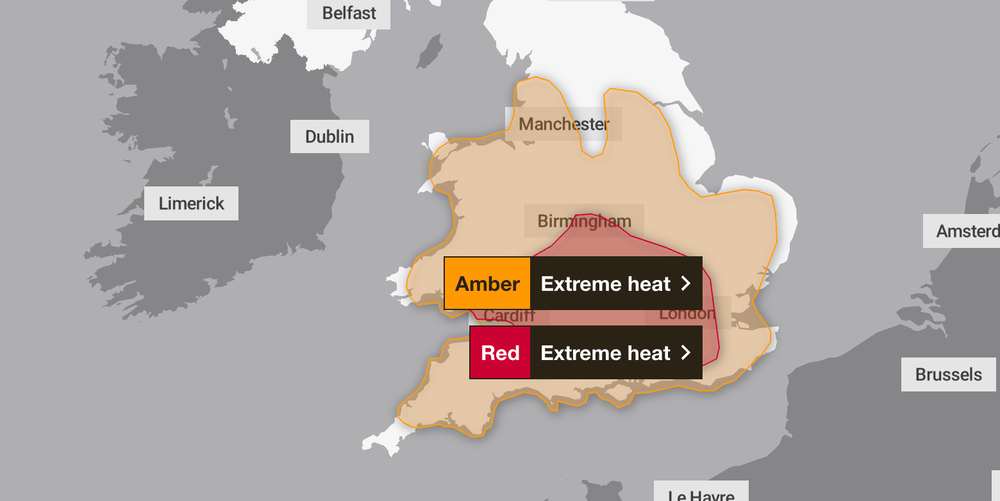
10:44 , Harriette BoucherA red weather warning for extreme heat has been issued for parts of the UK, where temperatures could hit 40C this week.
The rare warning covers areas including the East Midlands, East of England, London & South East England, South West England, Wales, and the West Midlands.
It comes into force at 9am on Wednesday and will be lifted at 9pm on Thursday.
The Met Office said: “An exceptional spell of hot and humid weather is expected across this region, with impacts to the general population highly likely.”
What weather records could be broken this week?
10:36 , Harriette BoucherThe UK is set to smash its record for the hottest June day ever, with London forecast to see temperatures hit 39C on Wednesday.
It would be nearly 4C higher than the hottest day on record for June, which is 35.6C.
The scorching weather is also likely to break the record for the hottest day of the year, which currently stands at 34.8C.
According to the Met Office, there is a chance that temperatures could exceed 40C this week.
The hottest day ever recorded in the UK was 40.3C in Coningsby, Lincolnshire, in 2022.
What should you do in a water safety emergency?
10:16 , Harriette BoucherThe Royal Life Saving Society UK has issued water safety advice ahead of the scorching weather set to hit the UK this week.
It is encouraging swimmers to seek a lifeguarded location wherever possible, and be aware of cold water shock, as water temperatures can remain “dangerously cold”.
It said inland waters, such as rivers and lakes, accounted for 57 per cent of accidental drowning deaths in 2025.
If you are in an emergency, RLSS UK says you should call 999 immediately and stay out of the water yourself.
“Tell the person in the water to keep calm and throw them something that floats, such as a plastic bottle or football, so they can hold onto it and stay afloat while help is on the way.”
12 best fans to beat the heat, tested and reviewed by an expert
10:10 , Harriette Boucher
12 best fans to beat the heat, tested and reviewed by an expert
What is an extreme heat warning - and what should I do?
09:47 , Harriette BoucherAn amber warning for extreme heat is in force for southern parts of England and Wales until the end of the day on Thursday.
What should I expect?
The Met Office has warned of an increased rise in water safety incidents, adverse health effects and heat related incidents.
It said the unusually hot weather could also cause travel delays, possible power cuts and the loss of other services to some homes and businesses.
What should I do?
Britons have been urged to drink plenty of fluids, keep out of the sun and avoid any exercise between 11am-3pm when the sun is strongest.
The Met Office is also advising people to avoid delays by checking road conditions if driving, or bus and train timetables.
It also says that people should prepare for power cuts by gathering torches and batteries, a mobile phone power pack and other essential items.
How can Britons keep safe in the water during a heatwave?
09:15 , Harriette BoucherBritons have been urged to stay safe in the water during this heatwave and follow “essential” swimming safety advice.
Royal National Lifeboat Institution is reminding people to be aware of “cold water shock” and enter the water slowly to gradually acclimatise.
“The sea or open water may look inviting during hot weather, but it remains cold enough year-round to trigger cold water shock, which can cause uncontrollable gasping, increased heart rate, and can lead to panic and drowning very quickly,” Ross Macleod, RNLI’s water safety manager, said.
At least 15 people died in water-related incidents during the heatwave in May.
“Anyone who finds themselves in danger in the water should fight the panic instinct and Float to Live – try to relax and float on their back, with head tilted back, gently moving their hands and legs to help them stay afloat. This buys valuable time to get your breathing back under control, before then calling for help or swimming to safety.
“If you see someone else in danger – do not enter the water yourself as you could also end up in serious difficulty. Instead, remember phone, float, throw – phone 999 or 112 and ask for the Coastguard; tell the struggling person to float; throw them something buoyant, like a life ring.”
Best portable air conditioners for a heatwave, tested by a home appliance expert
09:08 , Harriette Boucher
Best portable air conditioners for a heatwave, tested by a home appliance expert
Public health, power, and water supplies to be impacted by heatwave
09:01 , Harriette BoucherThe developing heatwave is expected to be a “severe weather event” that will impact public health, infrastructure, and power and water supplies, the Met Office has warned.
Deputy chief forecaster Tom Crabtree said: “The combination of heat and humidity will be oppressive and bring impacts across society from public health and infrastructure, to power and water supplies.
“As well as very high daytime temperatures, there will be consecutive nights where temperatures do not drop below 20°C, which is called a Tropical Night. This will make it very hard for people to recover from the daytime heat, exacerbating the heat stress impacts.”
What is a heat dome and why is causing record-breaking temperatures in the UK?
08:45 , Harriette BoucherThe heatwave that has developed across the UK and much of Europe is driven by a strong area of high pressure that is currently on the continent.
It promotes widespread sinking air over the region and traps hot air underneath it, acting like a lid on a pot and creating a “heat dome”.
Some parts of France, Italy, and Spain have seen temperatures rise above 40C.
The UK will sit on the boundary between the warm continental air and cooler, more unsettled conditions to the northwest, the Met Office said.
Live map: What temperatures will the UK see this week?
08:33 , Harriette BoucherWill schools close during the June heatwave?
08:28 , Harriette BoucherThe Independent’s Alex Croft writes:
A new wave of scorching temperatures next week is set to bring significant discomfort for millions of school children packed into busy classrooms.
Tuesday and Wednesday could see temperatures reach up to 38C, prompting the Met Office to issue Amber Extreme Heat Warnings from Monday through to Thursday.
Schools across the countries are working on measures to prevent instances of heat exhaustion and fainting, all of which have been reported during heat waves in recent years.
The Independent takes a look at the problems facing UK schools and whether they could close as temperatures reach a year-high.

Will schools close as temperatures hit 38C in the June heatwave?
Londoners brace for 39C on Wednesday
08:27 , Harriette BoucherThe Met Office is now expecting temperatures to soar to 39C in the capital on Wednesday.
Elsewhere in the south of England, temperatures will climb well above 30C.
On Tuesday, London is forecast to see a high of 37C, while Thursday will be another scorching day, hitting 38C.
Mapped: Where is going to be hottest this week?
08:09 , Holly EvansAn extreme heat weather warning has been issued by the Met Office as temperatures are set to soar to a record-breaking 38C this week.
The amber warnings cover parts of England and Wales over four days this week, with the first for Monday and Tuesday covering central and southern England including the Midlands and parts of Wales.
The hot spell could lead to delays on the roads and railways, and emergency services are bracing to help those vulnerable to extreme heat.
Read the full article here:

UK heatwave mapped: Where is going to be hottest as temperatures set to hit 38C
Weather warnings in place until Thursday
08:06 , Holly EvansFor Monday, central southern England could see highs of up to 34C with the temperature set to climb to 37C on Tuesday in southern England and south-east Wales, Met Office meteorologist Simon Partridge said.
“Then Wednesday and Thursday, both 38C but there’s potential for it to go higher and then by Friday, coming down a little bit, so we’ll see 33C and then it should ease off into the weekend but still stay quite warm, even into next week, although it won’t be anywhere near as warm as this week,” he added.
An extreme amber heat warning has been issued by the Met Office from Monday until Thursday, flagging potential health impacts for people vulnerable to extreme heat and heat-related issues for the wider population, as well as a possible increase in water safety incidents.
Monday and Tuesday’s warning covers most of southern England, central and eastern Wales, and much of the Midlands, while Wednesday and Thursday’s alert also includes parts of Greater Manchester, Yorkshire and Cheshire.
Temperatures set to hit 39C as extreme heat warnings issued
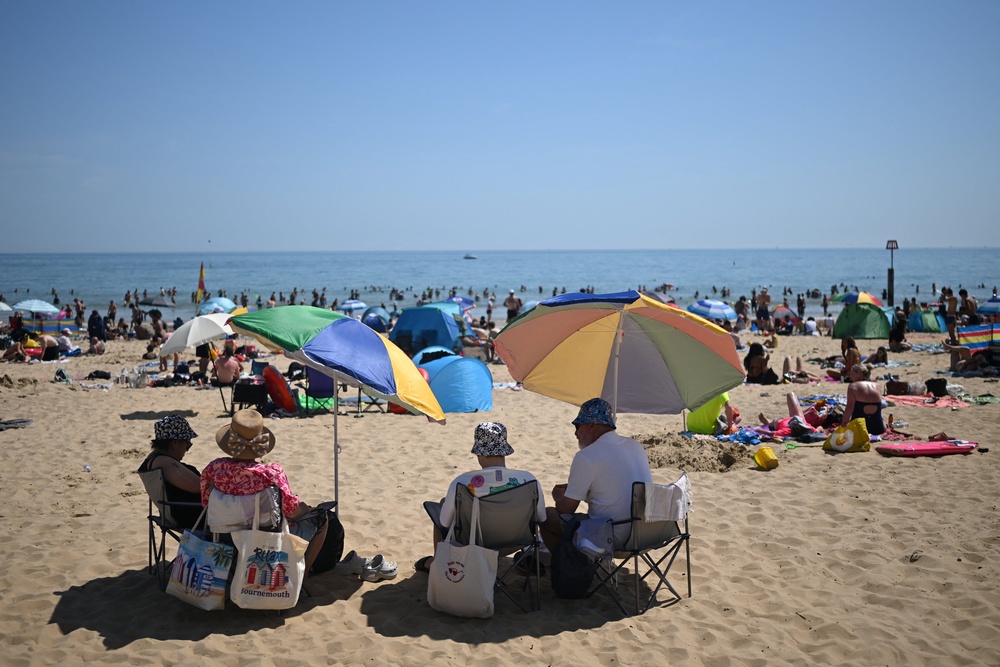
08:03 , Holly EvansThe UK is set to bake in record-breaking temperatures which could soar to more than 39C as extreme heat warnings and health alerts have been issued.
According to the Met Office, the sweltering heat could last until at least Thursday, sparking weather warnings and concerns for vulnerable people.
Forecasters have said there is “growing confidence” this week could break the record for the hottest June temperature of 35.6C, which was set in 1976 in Southampton.
The UK Health Security Agency (UKHSA) warned people to expect significant impacts across health and social care services along with a rise in deaths, particularly among those aged 65 and over or with health conditions.
The extreme heat could also bring disruptions to rail, road and air travel, with the possibility of some tarmac melting, according to the Met Office.
On Monday, National Rail advised travellers to check their journeys in advance, allow for extra time and to carry water.