
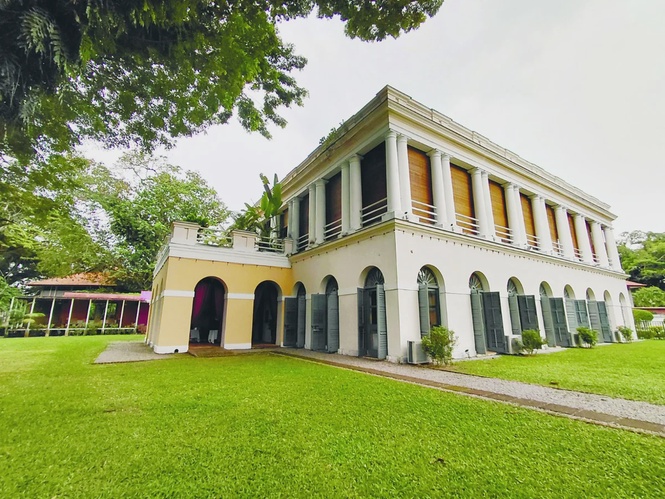
While most early migrants remain unnamed in official records, one woman stands apart, a washerwoman who came from Calcutta under the patronage of Captain Francis Light
A rose by any other name would smell as sweet. The same may be said of Ranee Dhoby — the washerwoman of Dhoby Ghaut who arrived from India and quietly carved out a place in Penang’s colonial history.
Known variously as Ranee or Rani, and recorded in some accounts as Lukia or Luckia, she is remembered as a figure woven into the early development of George Town.
Her legacy endures not in portraits or monuments, but in land grants, oral history and a temple that still stands today.
Dhoby Ghaut and the washermen of the riverbank
At the confluence of Sungai Air Itam and Sungai Air Terjun, where Sungai Pinang begins, once pulsed a community of Indian washermen. The area was known as Dhoby Ghaut — from the Hindi dhobi (washerman) and ghaṭ (stone steps leading to water). In Tamil, it was referred to as Vannan Thora Tedal.
Here, laundry from British households, colonial officers and military quarters was brought in, washed in the river, beaten clean on stones, dried along the banks and returned. It was a functional yet vital cog in the machinery of colonial domestic life.
A migrant named Lukia, Ranee or Luckia
Most of the early migrants remain unnamed in official records. Yet one woman stands apart.
Her name, preserved in family memory as Lukia Devi, finds corroboration in J.H. Stocqueler’s Hand-Book of British India (1854), which records a washerwoman named Luckia who came from Calcutta under the patronage of Francis Light, alongside others of the same trade.
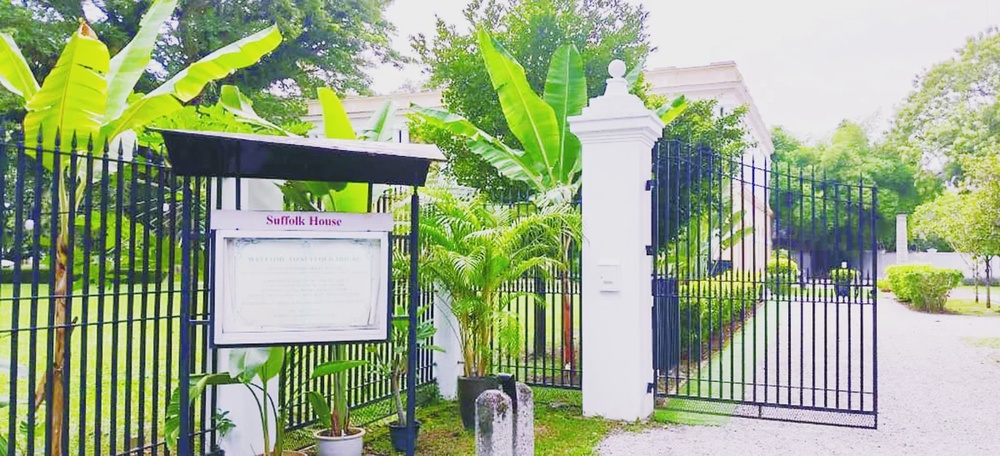
Across the river stood Suffolk House, the estate associated with Light and his common-law wife, Martina Rozells.
From Calcutta to Penang’s colonial frontier
Many of the early migrants were part of what Premilla Mohanlall, a fifth-generation descendant of Ranee, describes as a “bazaar contingent” — labourers brought in to support the British administration.
They are believed to have departed from Calcutta for Penang, then the first British settlement in Southeast Asia, on journeys that were often one-way.
Most dhobis of that era remained invisible in records. But Ranee Dhoby’s presence persists across fragmented colonial documentation and oral tradition.
A land grant that became a temple foundation
On May 2, 1802, Sir George Leith, then Governor of Prince of Wales Island, acting under authority from Bengal, granted her a piece of land in Ayer Itam.
Rather than retain it for personal use, she created a trust for temple charity — laying the foundations of what would become the Sri Ramar Temple at Solok York.
She also endowed the temple with revenue from a fruit garden, ensuring its upkeep beyond her lifetime. Today, the temple is administered by the Penang Hindu Endowments Board and is regarded as one of the oldest Hindu temples in the country.
Datuk Villantheran Govindasamy, chairman of the Sri Ramar Temple, said:“Its origin is traced to the temple’s history of the land granted to Ranee Dhoby. That remains the foundation of everything that stands here today. Her personal history is not well documented, but her contribution is clear. The temple is the evidence,” he told theSun.
A benefactor remembered in stone and faith
The original structure was a modest rotunda, similar to those found in Uttar Pradesh, housing a clay image of Lord Ramar. Over time, it became the spiritual and social centre of the local community.
According to local lore, Ranee Dhoby took a personal interest in daily worship and was said to possess knowledge of traditional healing, preparing remedies from local plants for those who sought her help.
She is believed to have died before 1872 and was interred within the temple compound — a rare departure from Hindu custom, reflecting the esteem in which she was held.

Between history and oral legend
Some accounts move beyond recorded history.
When Villantheran became chairman in 2012, a proposal was raised to relocate her burial site to Batu Lanchang Hindu Cemetery.
“But something odd happened that night after the meeting. Several committee members dreamt of a lady in white, telling them not to shift or disturb the spot. I experienced it myself that same night,” he said.
The proposal was dropped. Later, priests reported similar sightings during overnight temple preparations — a small woman in white moving silently through the temple before dawn, pausing in prayer before disappearing.
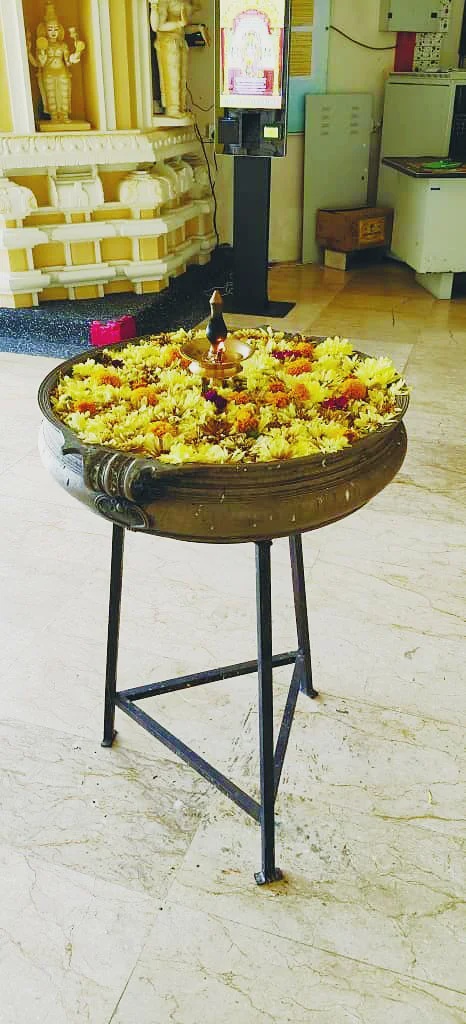
In 2014, the committee marked her original burial site with a bowl of floating flowers.
Land, trade and colonial entanglements
Beyond the temple, Ranee Dhoby was also involved in land transactions along the Sungai Pinang riverbank.
Between 1808 and 1811, Premilla said, she sold part of her land to William Edwards Phillips, linking her holdings indirectly to estates associated with Francis Light and James Scott.
Suffolk House, one of Penang’s most prominent colonial residences, stands on that broader estate landscape today.
Family memory and inherited history
In her written account, Premilla describes a petite woman exerting influence within a tightly knit dhobi community while maintaining recognition within colonial circles.
She speculates that Ranee may have arrived with a husband, been widowed young, and taken over his trade — or that she was a woman of means with access to colonial officials.
Unlike most male dhobis who returned to India, Ranee remained in Penang.
“My great, great grandparents came to Penang on a one-way journey and never returned to India. The story of Ranee Dhoby has been passed down through generations in our family,” said Premilla.
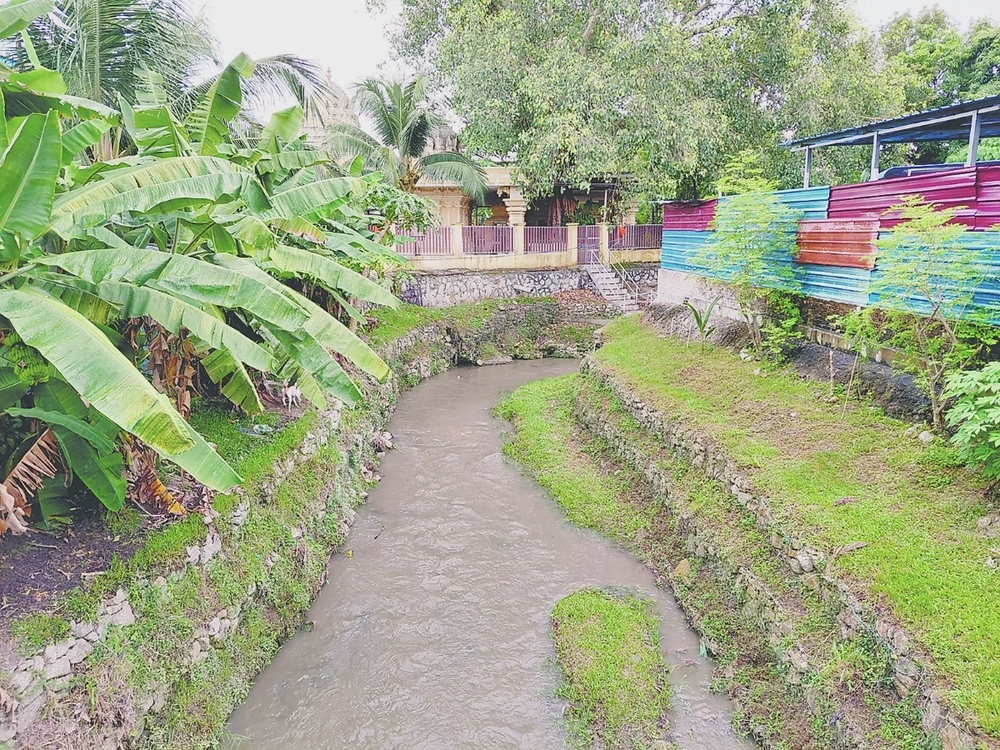
The fading riverbanks of Dhoby Ghaut
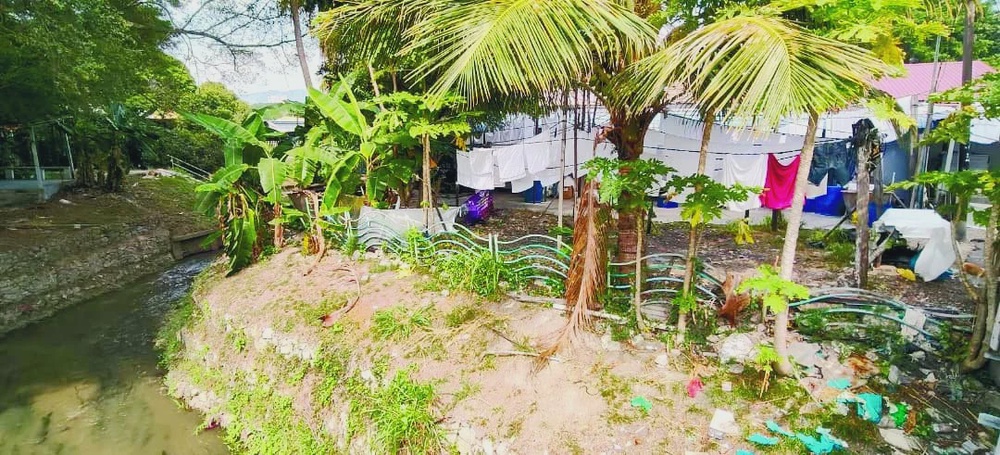
Today, the stone steps of Dhoby Ghaut are gone, replaced by concrete embankments. Yet traces remain.
Along Jalan Air Itam, a handful of laundries still operate, white sheets fluttering in the river breeze much as they did two centuries ago.
“The temple land was just one portion of her vast estate,” said Premilla.
George Town’s Dhoby Ghaut predates its more famous Singapore counterpart by more than a decade. In Singapore, a similar district emerged after Stamford Raffles founded the trading port in 1819 — now memorialised in the Dhoby Ghaut MRT station.
At Solok York, the Sri Ramar Temple continues to receive visitors daily.
“The interior of the temple is absolutely beautiful. It is worth a visit,” said Penang Hindu Endowment Board chairman R.S.N. Rayer.
And so the legend of Ranee Dhoby endures — suspended between history and memory, anchored in land she once held, and a river that still carries echoes of her name.