Quick Read
- A convincing phone call could be a scam. Criminals impersonating Social Security or Medicare may claim your benefits need updating, verification, or immediate attention.
- A familiar name or phone number proves nothing. Scammers can spoof government phone numbers and use personal details to make their stories believable.
- You don't have to pay to receive a legitimate benefit increase. Social Security will not demand fees, bank information, or gift cards to activate a cost-of-living adjustment.
- Hang up and verify independently. Call Social Security at 1-800-772-1213 or Medicare at 1-800-633-4227, and report suspicious activity.

The phone rings while you’re making dinner. The person on the other end sounds professional, identifies themselves as a Social Security representative, and says there’s a routine update needed on your benefits account. Nothing about the conversation seems particularly unusual. The caller knows your name, mentions your monthly benefits, and may even have part of your Social Security number.
Then comes the catch.
Before your next payment can be released, you’re told, you need to verify your banking information or complete a quick security check. It’s the kind of conversation that could catch almost anyone off guard, especially someone who depends on Social Security to cover the mortgage, groceries, or prescription medications.
And it’s a scam tactic federal officials continue to encounter. The Social Security Administration (SSA) has repeatedly warned about criminals impersonating government employees to obtain personal information or money. A September 2026 alert specifically addressed callers promising to increase benefits in exchange for fees or sensitive information. Here’s how to recognize these calls, what makes them convincing, and what to do if you’ve already shared information.
The Call May Sound More Professional Than You Expect
Forget the stereotype of a scammer shouting threats through a crackling phone connection. Government impersonators can sound patient, polite, and remarkably knowledgeable. They may introduce themselves using the real name of a government employee, reference an official-sounding department, or offer to walk you through an account update. Some already have pieces of your personal information. That doesn’t mean they’ve accessed your Social Security account. Names, addresses, phone numbers, and other identifying details can circulate through data breaches and other sources.
The caller may use those details to persuade you to reveal something more valuable, such as your complete Social Security number, Medicare identification number, or bank account credentials. One useful rule: Never treat information the caller already knows as proof that the call is legitimate.
They May Claim Your Benefits Are About to Stop
Fear of losing a monthly payment is powerful, particularly when that money covers essential household expenses. A scammer might claim your Social Security record has been flagged, your account is under investigation, or your next deposit will be suspended unless you verify your identity immediately. Some threaten legal action or insist that your Social Security number has been compromised. These claims are designed to make an ordinary administrative problem sound like a financial emergency.
Social Security’s official scam prevention guidance makes an important distinction: the agency will not threaten arrest, suspend your Social Security number, or demand immediate payment to resolve an alleged problem. If someone threatens to stop your benefits unless you transfer money or disclose sensitive information during an unsolicited call, end the conversation. You can always contact Social Security independently to determine whether an actual account issue exists.
A Promise of Extra Money Can Be Just as Suspicious
Not every fraudulent benefits call begins with bad news. Some criminals promise a larger monthly payment, a special benefit increase, or access to money supposedly waiting in your account.
In September 2026, the SSA Office of the Inspector General issued an alert about scammers offering to boost, unlock, or maximize Social Security benefits for an upfront fee. The offers sometimes direct recipients to official-looking websites or forms that request personal information.
Here’s what matters: You do not have to pay someone to activate a legitimate Social Security cost-of-living adjustment. Benefit amounts are determined under federal rules, not negotiated with a caller who offers to increase your check.
If you have questions about an actual benefit adjustment, review your information through your personal my Social Security account or contact the agency directly.
Caller ID Isn’t the Security Check You Think It Is
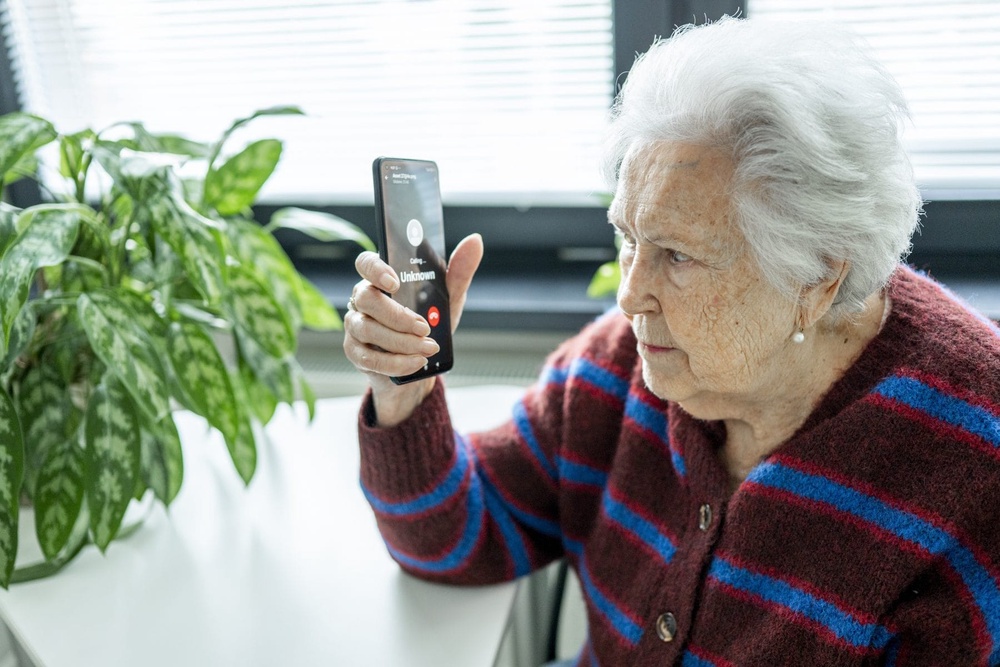
Seeing a familiar government phone number on your screen can make an unexpected call seem trustworthy. Unfortunately, scammers can manipulate caller ID information so that a call appears to originate from a legitimate organization. They may even use the name of an actual government employee. The Social Security Administration has documented both tactics, along with schemes involving fake credentials and official-looking correspondence.
There’s another trick worth recognizing.
A caller may claim they’re transferring you to a supervisor, fraud investigator, or another federal agency. In July 2026, Social Security specifically warned about fake call transfers involving supposed government representatives. Don’t rely on a transfer arranged by the person who contacted you. Hang up, find the agency’s official number yourself, and place a new call.
Social Security Does Sometimes Call People
This is where scam warnings can become misleading. It’s not accurate to say that Social Security never calls people unexpectedly. Employees may contact beneficiaries about applications, changes to existing records, or other legitimate business. The agency generally sends letters when there’s a problem involving a Social Security number or record, but telephone contact does occur. The difference is what the caller asks you to do.
A legitimate employee won’t demand gift cards, cryptocurrency, wire transfers, or cash to keep your benefits active. Nor will Social Security require your banking information to activate a routine cost-of-living adjustment. If you aren’t certain who’s calling, there’s no need to continue the conversation. Tell the person you’ll contact Social Security directly, then call 1-800-772-1213 using a number you’ve independently verified.
Medicare Scammers Use Similar Stories
Social Security isn’t the only government program criminals impersonate. A caller may claim your Medicare benefits are being updated, your card needs replacing, or your coverage could be interrupted unless you verify your Medicare number. Some offers involve supposedly free medical equipment, additional benefits, or a new Medicare card. These calls can be particularly convincing during Medicare enrollment periods, when older adults are already receiving legitimate information about their coverage. But Medicare has clear rules about unsolicited contacts.
Medicare’s fraud prevention guidance explains that the program does not call people to sell products and only requests personal information by phone in limited circumstances. If someone unexpectedly asks for your Medicare number, don’t provide it. Contact Medicare at 1-800-MEDICARE (1-800-633-4227) to verify the issue.
The Financial Losses Behind Impersonation Scams Are Enormous
These calls are more than an occasional nuisance. In June 2026, the Federal Trade Commission reported that Americans had lost approximately $3.5 billion to impersonation scams during 2025. About $920 million of those reported losses involved criminals pretending to represent government agencies. The financial consequences can be especially serious for older adults.
The FTC’s October 2026 report on older consumers found that adults 60 and older reported approximately $3 billion in total fraud losses during 2025, across multiple scam categories. Those reported losses were roughly five times the amount recorded in 2020.
The report also found that older adults were more likely than younger consumers to report losing money to government impersonation scams. Importantly, those figures don’t measure losses from benefits-update calls alone. They show the broader financial damage caused by fraud, including schemes that exploit trust in familiar institutions.
What if You’ve Already Given the Caller Information?
Hanging up prevents further conversation, but what happens if you’ve already provided information? The next steps depend on what you shared.
- If you disclosed your Social Security number: Visit IdentityTheft.gov for a recovery plan. Consider placing a credit freeze with Equifax, Experian, and TransUnion to make it harder for someone to open new credit accounts in your name.
- If you shared banking information: Contact your bank immediately using its official number. Explain what happened and ask about account protections, suspicious transactions, and whether your account credentials should be changed.
- If you provided your Medicare number: Call 1-800-MEDICARE and explain that your number may have been compromised. Review your Medicare Summary Notices or online claims for services you never received.
- If you sent money: Contact the bank, card issuer, wire-transfer company, or payment service involved as quickly as possible. Ask whether the transaction can be stopped, recalled, or disputed.
Don’t assume the money is permanently gone without first asking about recovery options. Also be wary of anyone who contacts you afterward promising to recover stolen funds for an upfront fee. That can be another scam.
Where to Report a Suspicious Benefits Call
Reporting a fraudulent call may help investigators identify patterns and warn other potential victims. For Social Security impersonation scams, use the SSA Office of the Inspector General’s reporting portal. You can also report government impersonation and other fraud through the FTC’s ReportFraud website. For suspected Medicare fraud, contact 1-800-MEDICARE.
If you’ve lost money, preserve any messages, transaction records, phone numbers, and other details that could help explain what happened. Even if you recognized the scam immediately and didn’t lose anything, reporting it can still provide useful information.
One Simple Habit Can Protect Your Next Benefits Payment
The most effective protection against a convincing benefits-update call doesn’t require special software or expensive identity protection services. It starts with refusing to make financial decisions during an unexpected phone conversation.
A legitimate question about your Social Security or Medicare benefits can be addressed through the agency’s official channels. You don’t have to verify sensitive information just because someone sounds professional or claims the matter is urgent.
Keep the official contact numbers somewhere convenient, especially if you don’t regularly use government websites. And consider sharing these warning signs with a spouse, parent, neighbor, or friend who might receive a similar call. Scammers depend on people reacting before they have time to verify a story. Taking control of how you contact the agency removes much of that advantage.
Have you received a call claiming your Social Security or Medicare benefits needed an urgent update? What made you realize something wasn’t right?