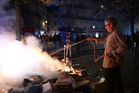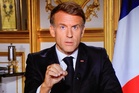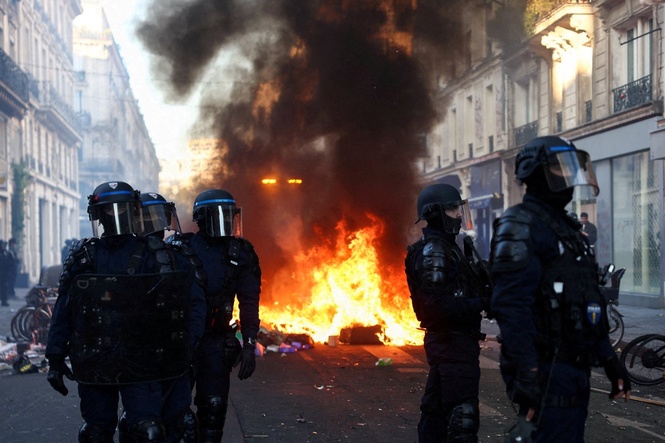
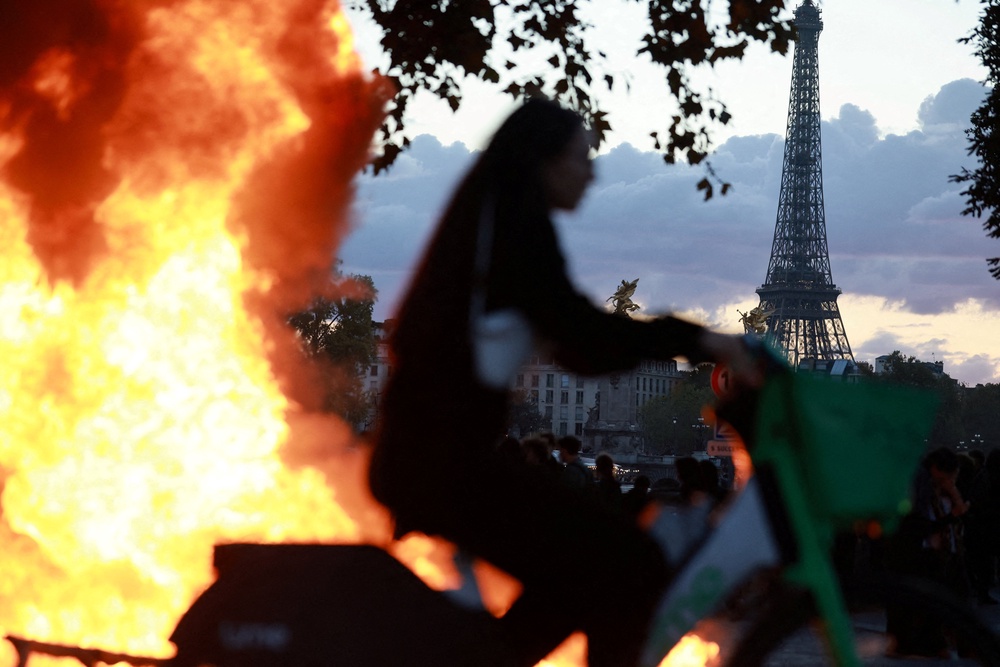
French cities were plunged into lockdown on Monday night following a weekend of anti-government protests that descended into violent riots.
Marseille mayor Benoit Payan said France had become “the shame of Europe” as new measures were announced banning public gatherings in some of the country’s most iconic destinations from 10pm to 6am.
Sections of Paris, Lille and Marseille are among the cities affected, with more expected to follow after an appeal from prime minister Sebastien Lecornu on Monday morning.
“My determination to restore order is absolute,” he said, following an emergency meeting called to deal with the now weeks-long crisis.
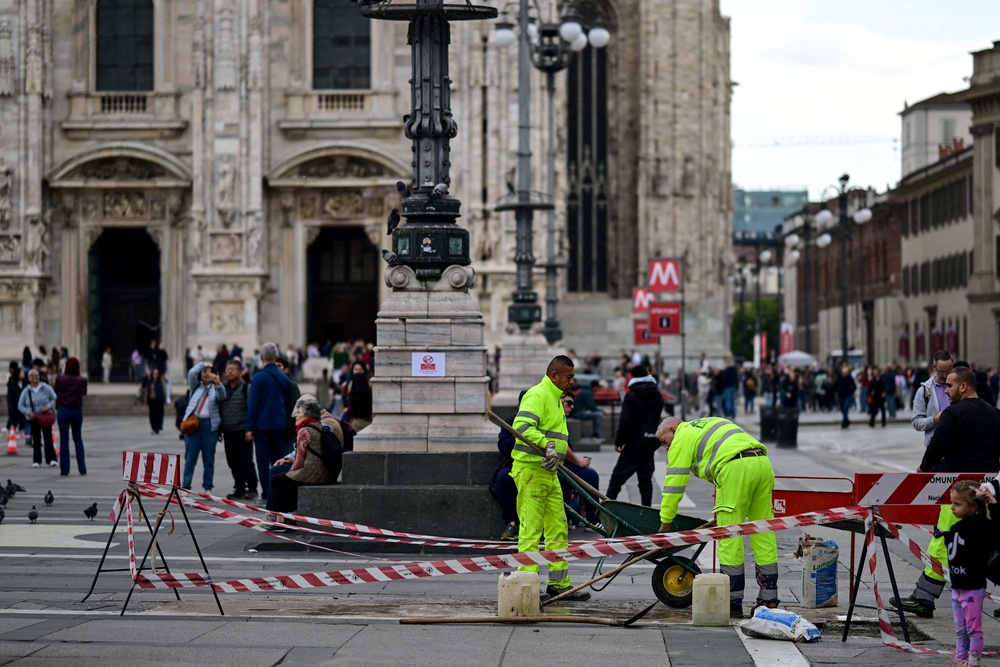
Italy also rushed in new measures to curb anticipated unrest after Milan police clashed with protesters throwing stones and looting shops during demonstrations against crumbling public services and the rising cost of living on Sunday.
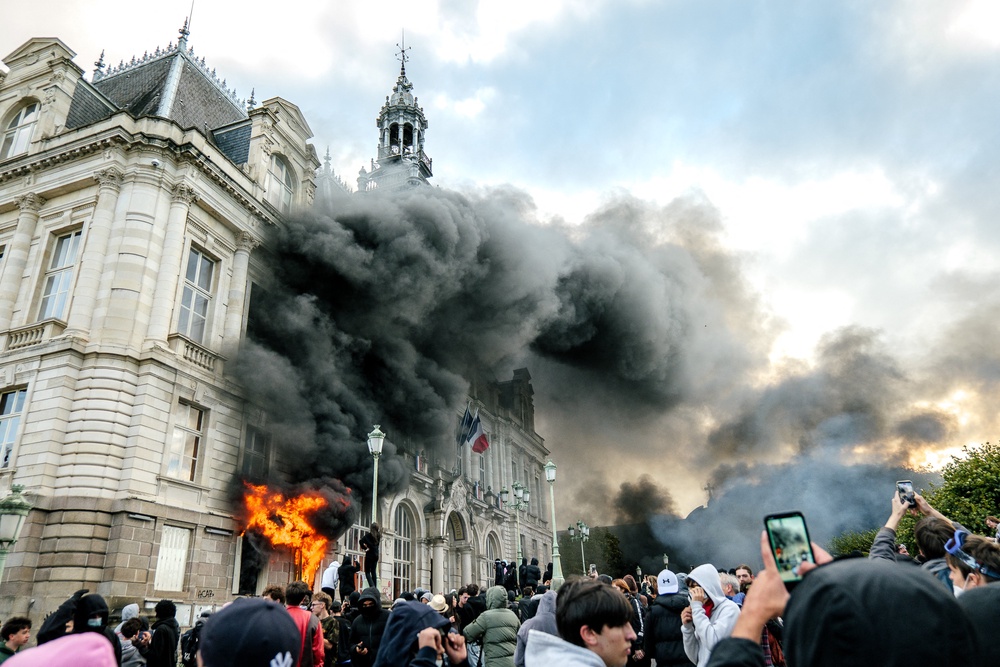
Meanwhile Downing Street warned police have the powers and resources “to protect our communities and keep the public safe” should copycat riots emerge in Britain.
A spread of protests erupted across Europe over the weekend in response to shared frustrations over the cost of living crisis, a lack of affordable housing and deteriorating school conditions.
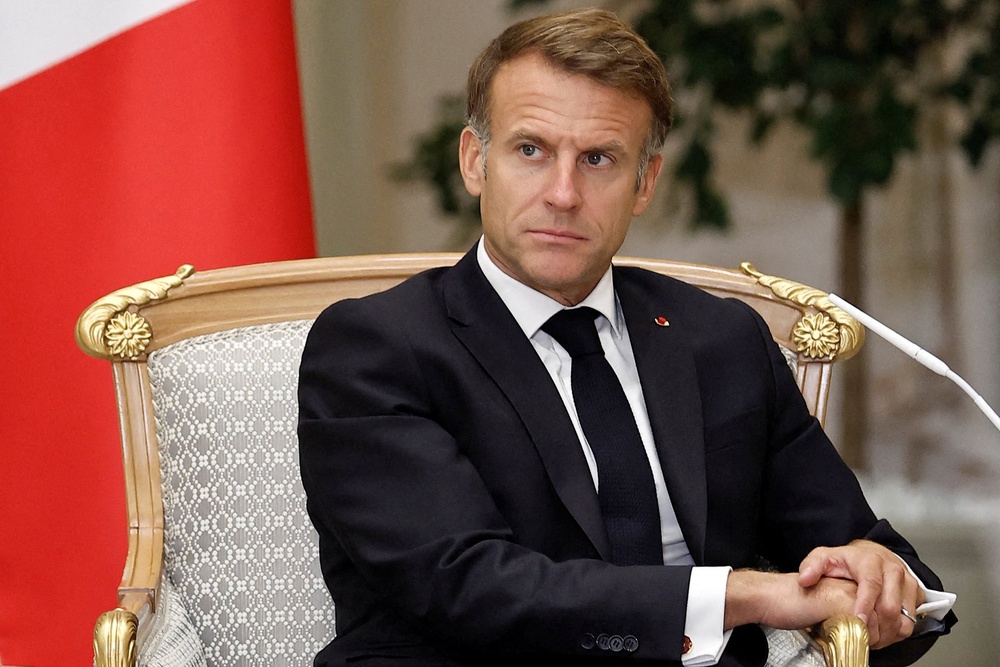
Organisers in France have already announced an “Act II” demonstration for this Saturday, claiming 800,000 people had taken to the streets nationwide over the weekend and calling for president Emmanuel Macron to resign after he left France in the middle of the growing crisis to tour the Middle East.
More than 2,000 people were arrested and 1,000 police officers were injured across France on Saturday. One protester died from a cardiac arrest during a demonstration in the capital.
Ariel Weil, the mayor of Paris Centre, said he requested a curfew and the deployment of the army “as early as yesterday”.
“We have to give ourselves the means to prevent looting,” he told BFM TV.
Lecornu ruled out a blanket curfew in Paris but not a state of emergency, saying it was for now more appropriate to apply partial and localised curfews, without providing details.
He blamed far-left groups for some of France's worst unrest in years. “There is, after all, a far-left movement that wants to cause – we can’t put it any more strongly – profound unrest in the country in the run-up to the presidential election,” he said.
Mayor Payan said the recent demonstrations had resulted in “almost a total loss of control” and decried “scenes of absolutely unprecedented violence”.
“We are the shame of Europe this morning ... I found myself thinking about the very idea of what the Republic represents in this country – it has been brought to its knees,” he told BFM TV.
Payan said dozens of shop windows had been smashed and that “hundreds” of vandals looted businesses in the city, as Lecornu said the government would provide furlough measures from Tuesday.
At the Place Vendome in Paris, home to luxury hotels and boutiques, most shops were shuttered and surrounded by security guards on Monday. The front door of a Dior boutique was smashed, while windows belonging to other luxury brand stores in central Paris, including Rolex, Louis Vuitton, Ralph Lauren and Gucci, were damaged.
The mayors of Paris, Marseille and Lyon said in a joint op-ed in the newspaper Liberation that they were used to demonstrations and protests.
“But on Saturday ... for the first time, we had the feeling that whole sections of our cities had been left without protection,” the statement read.
Number 10 condemned the French riots and issued a warning to anyone planning similar action in the UK.
“The violence we're seeing on the streets of France is unacceptable,” a spokesman for prime minister Andy Burnham said. “And while the power to protest is at the heart of democracy, this can never excuse violence.
“We know people in Britain are worried about the cost of living too. The prime minister said he wants to continue taking action to provide breathing space on the cost of living.”
Asked if the prime minister has a message to those in Britain thinking of taking up similar action, he said: “Our police obviously have the powers and resources needed to protect our communities and keep the public safe.”
The protests that began in France last month, initially involving students angry at poor school facilities, have continued to spread across the continent.
Tens of thousands of people marched through central Lisbon on Saturday to protest the soaring cost of living and a deepening housing crisis, echoing weeks of demonstrations in Spain that prompted prime minister Pedro Sanchez to call a snap general election.
Albania’s prime minister Edi Rama is under pressure after a sixth consecutive day of protests over poor university conditions, high tuition fees and corruption, which saw hours-long violent clashes with police on Sunday. Serbia was also bracing for a major march on the capital this week as part of an election rally led by student activists.
And Italian prime minister Giorgia Meloni, facing her own burgeoning crisis at home, on Monday approved an emergency decree to combat violence.
Measures will include the extension of preventative detention for minors, a ban on gatherings for individuals found responsible for group violence and “acts of devastation”, and the possibility of “deferred arrest” for those involved in property damage.
During a security meeting addressing the events in Milan over the weekend, the government approved the deployment of more military personnel to the northern outpost, after police dispersed crowds with tear gas near the central Piazza Duomo.