AMONG the local government units (LGUs), which one do you think exemplifies good governance?
Every year, The Manila Times holds the Model Cities and Municipalities Awards to recognize outstanding LGUs. The entries are evaluated based on 15 categories, such as infrastructure, safety and security, business and commerce, social services, and disaster resilience, among others.
This year saw an unprecedented number of entries, with 40 cities and 25 municipalities. There is much to learn from reading about their various projects, for they showcase the quantity and quality of their public service.
I applaud The Manila Times for undertaking such an endeavor. Our country is blessed with natural resources and human capital. However, we are sorely lacking in visionary leadership, strong political will, and good governance.
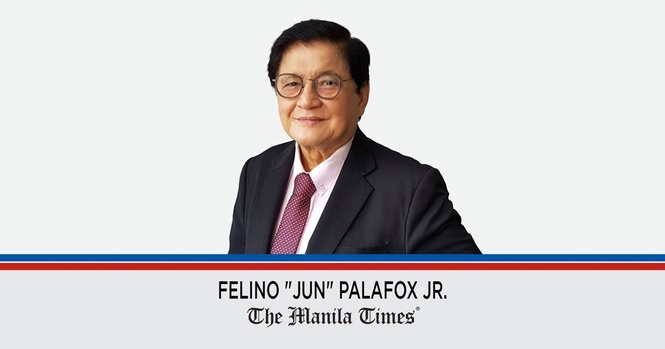
That is why Filipinos must think deeper about our local government units, and whether or not they are truly serving the needs of their constituents. As one of the judges with more than 50 years of experience in urban planning, allow me to share my insights.
Short-term, not long-term
A major observation is that many LGU programs are short-term, rather than long-term. While immediate, actionable initiatives are necessary, public service must go beyond electoral cycles.
That is why when we at Palafox give recommendations, they are comprehensive and categorized into immediate-action, short-term, medium-term, long-term and visionary.
These distinctions are crucial because it is important to see the bigger picture in the development of cities and municipalities. An LGU that only focuses on the here and now is unsustainable and uncompetitive because it will be left behind in a rapidly changing world.
Emphasis on social services,neglect of infrastructure
Filipinos are family-oriented by nature, and this is one of our greatest strengths as a society. This is evident in the many programs that focus on youth development, family welfare and support for the elderly. Although the family is the foundation of society, there is a stark contrast with the lack of projects that focus on the hard sciences: infrastructure, innovation and technology.
The infrastructure category is rather vast because it covers structures, flood control and transportation. Many of the public institutions being constructed include hospitals, schools, and cultural centers. Meanwhile, transportation projects usually focus on the paving of roads and construction of bridges.
What is most alarming is the lack of projects for active transportation. If we simply build more roads and bridges without regard for how to efficiently move people, then we will simply get gridlocked congestion similar to Metro Manila.
Those with less in wheels must have more in roads. Walking is the most basic form of mobility because we are all pedestrians first and foremost. That is why LGUs cannot afford to neglect active transportation and public transit.
Temporary relief vs long-term self-reliance
As the saying goes, “Give a man a fish, and you feed him for a day. Teach him how to fish, and you feed him for a lifetime.”
Many of the projects across different categories are limited to only providing temporary relief, whether that be through cash assistance, rice, scholarships, or donation of agricultural inputs and other goods.
While it is important to address the immediate needs of the people, temporary relief does not address their root problems. Even worse, it can encourage dependency on the government for basic needs. And the funds allocated for these projects, which are no small amount, could be better invested in projects that empower people to be self-sufficient.
If children need scholarships for schooling, the LGU must ask why basic education is inaccessible for them. If single parents are dependent on cash assistance, we must ask why there are no livelihood opportunities that empower them to provide for them and their children.
Creating equitable opportunities for education and employment and building sustainable industries within the municipality or city is not easy, but it is the only way to introduce meaningful and lasting change.
Disaster resilience must be long-term
The Philippines is vulnerable to natural hazards given our geography. That is why we must address them before they wreak havoc. It’s good that there are LGUs that train and equip families through their programs — families are the first responders, after all.
However, disaster plans must be comprehensive. We cannot simply prepare for the hazards tomorrow, but also the ones to come in the next generations. And because of climate change, what was once considered a 100-year flood event could happen every other year.
Those who fail to plan now are setting themselves up for disaster. As I always say, “It is 90 percent less expensive to address hazards before they become disasters, in addition to saving human lives, property, livelihood and infrastructure.” LGUs must complement their short-term initiatives with long-term strategies, such as disaster plans and hazard mapping.
Good governance for better cities
We would all like to live in cities and municipalities that are smart, sustainable and resilient. Just as Rome was not built overnight, change will not come in an instant. LGUs play a vital role because they serve as the bridge between the national government and the citizens.
That is why it is important for Filipinos to recognize the qualities of good governments, hold their leaders accountable, and vote wisely during elections. On the other hand, I would like to challenge LGUs: If you want to be the model city or municipality, you must be bold and more imaginative by investing in a long-term vision that raises the standard of public service.
“Make no little plans. They have no magic to stir men’s blood and probably themselves will not be realized. Make big plans; aim high in hope and work, remembering that a noble, logical diagram once recorded will never die, but long after we are gone will be a living thing, asserting itself with ever-growing insistency.” – Daniel Burnham