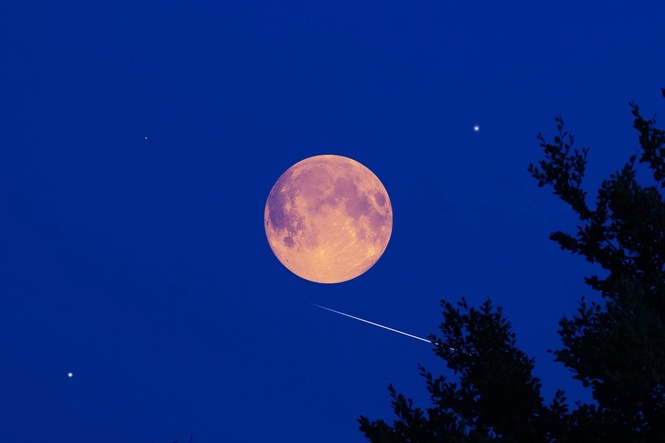
- The Leonid meteor shower is expected to peak on 17 November, having been active since 6 November, according to the Natural History Museum.
- The meteors are known for being bright, colourful, and exceptionally fast, travelling at speeds of 71 kilometres per second.
- About every 33 years, the Leonids can produce a spectacular ‘meteor storm’, defined by at least 1,000 meteors per hour.
- The Natural History Museum notes that this year’s peak will occur during a first-quarter moon, meaning “the moonlight may affect your ability to see meteors”.
- Instead, the museum’s planetary scientist and meteorite expert Dr Ashley King recommends that viewers “go to the coast or stand on a hill in the middle of the countryside” to improve their odds of seeing fainter meteors.
IN FULL