India’s opposition parties and a youth-led movement are escalating their protests against the country’s election chief, demanding his resignation over a controversial revision to voter rolls they claim is meant to benefit Narendra Modi’s ruling BJP party.
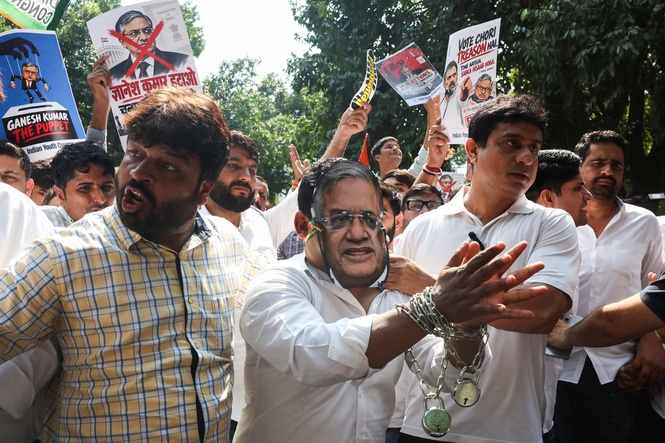
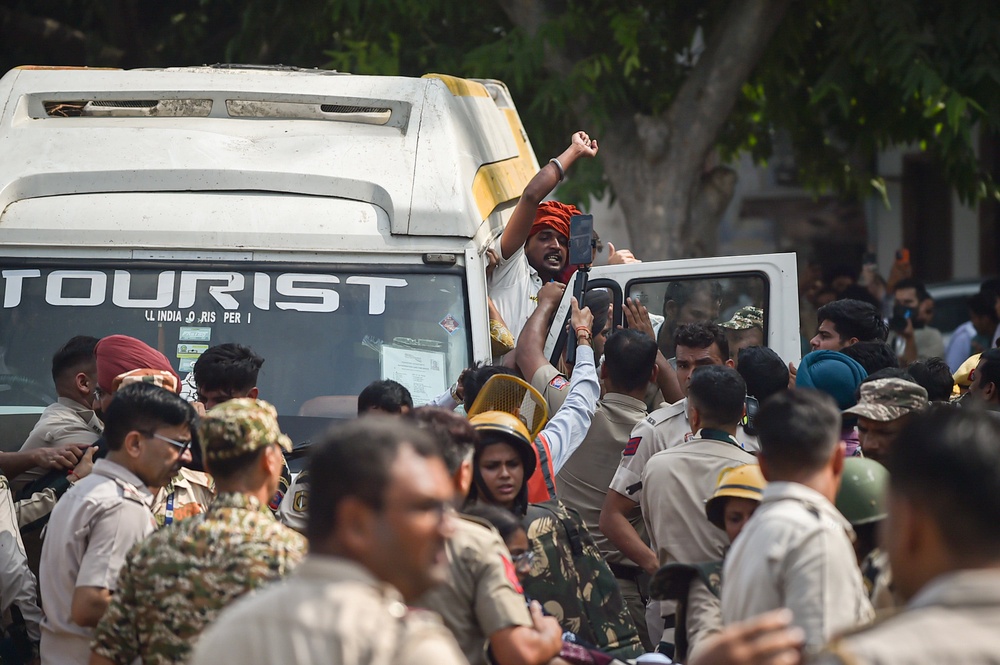
The Cockroach Janta Party, which led the protests that ousted India’s education minister earlier this year, and the All India Students’ Association had called for demonstrations in the capital Delhi on Saturday to press for chief election commissioner Gyanesh Kumar’s resignation but were denied permission by the city police.
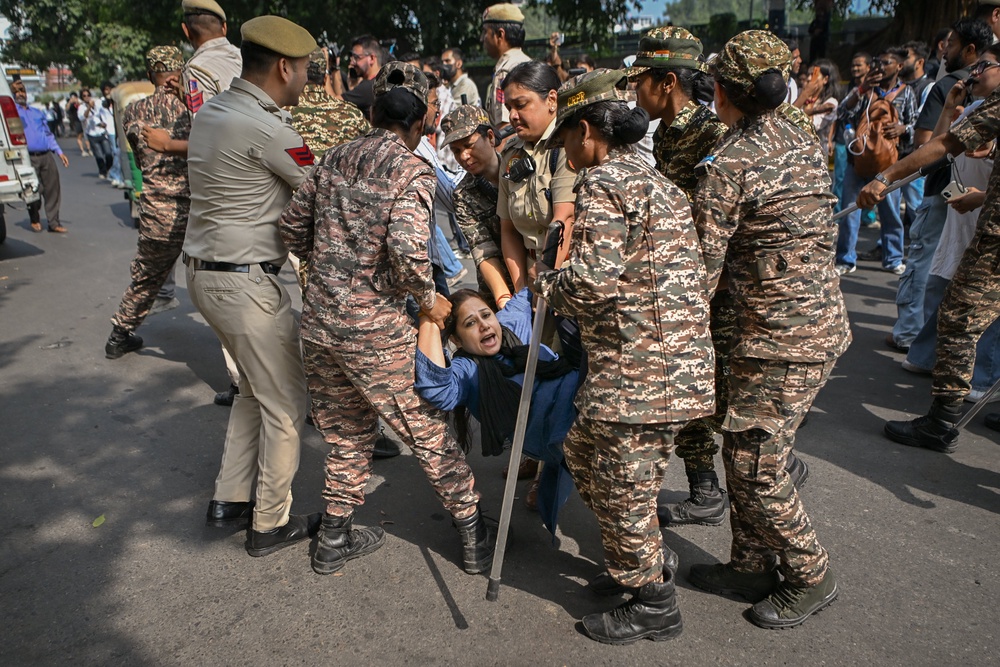
The CJP claimed that the police also arrested at least 1,000 of its supporters ahead of the protests.
Authorities deployed thousands of police and paramilitary personnel, barricaded roads and set up checkpoints at Delhi’s borders, railway stations, and bus terminals to thwart the protests. They also shut 45 metro stations and cancelled 254 trains, including intercity services, disrupting travel into and around the capital, and suspended mobile services in the central areas of the city.
CJP’s founder Abhijeet Dipke and its spokespersons Saurav Das and Ashutosh Ranka were detained as soon as they landed at the Delhi airport on a flight from Mumbai.
The protests are part of a wider push to remove Mr Kumar, investigate the election commission’s decisions, and halt the revisions of electoral rolls.
The controversial exercise has seen tens of millions of names struck from voter lists and sparked accusations that it has been done to the advantage of the ruling party.
“We demand transparency and accountability from the commission and want the chief election commissioner to resign,” the CJP said in a video posted on social media.
“This is not a fight for one party, it’s for free and fair elections and every citizen’s right to vote.”
The party further said that the election body’s wrongdoings were “hijacking India’s democracy”.
Mr Kumar is accused of taking major decisions without the approval or knowledge of the two election commissioners, despite not having the authority to do so.
Last week, the Supreme Court declined to order Mr Kumar’s immediate suspension but said it would examine the records to determine whether statutory provisions had been violated and indicated that decisions taken without the required approval could be annulled. It did not rule that Mr Kumar had acted unlawfully.
The commission has claimed the revision is intended to remove the names of people who have died or moved away, who have registered more than once or have otherwise been found ineligible.
But the exercise has faced criticism over the scale of deletions and the documents that many people have been asked to furnish to be listed as voters.
The Indian Express reported the revision had led to the removal of some 130 million names from draft electoral rolls across the country.
Since the exercise started, millions of voters have complained that their names have been left out of the rolls for often unexplained reasons.
They have also described the new voter-registration process as cumbersome and requiring documents that many do not possess.
In response to criticism over the scale of deletions, the commission has directed 20 states and federal territories where the exercise has been to run a special drive to enrol voters left off the rolls.
Opposition parties have argued that the exercise has led to the mass exclusion of legitimate voters. The election commission and the BJP have denied allegations that the exercise has been designed to benefit the ruling party.
Last month, the Indian Express reported that election commissioners Sukhbir Singh Sandhu and Vivek Joshi had conveyed objections at least 14 times over 10 months to decisions about voter registration, voter rolls, and the database used to maintain them. They reportedly noted that some of the decisions had been taken without their knowledge or approval.
The law requires the election body to take decisions by a majority of its three commissioners, including the chief, who does not enjoy overruling powers.
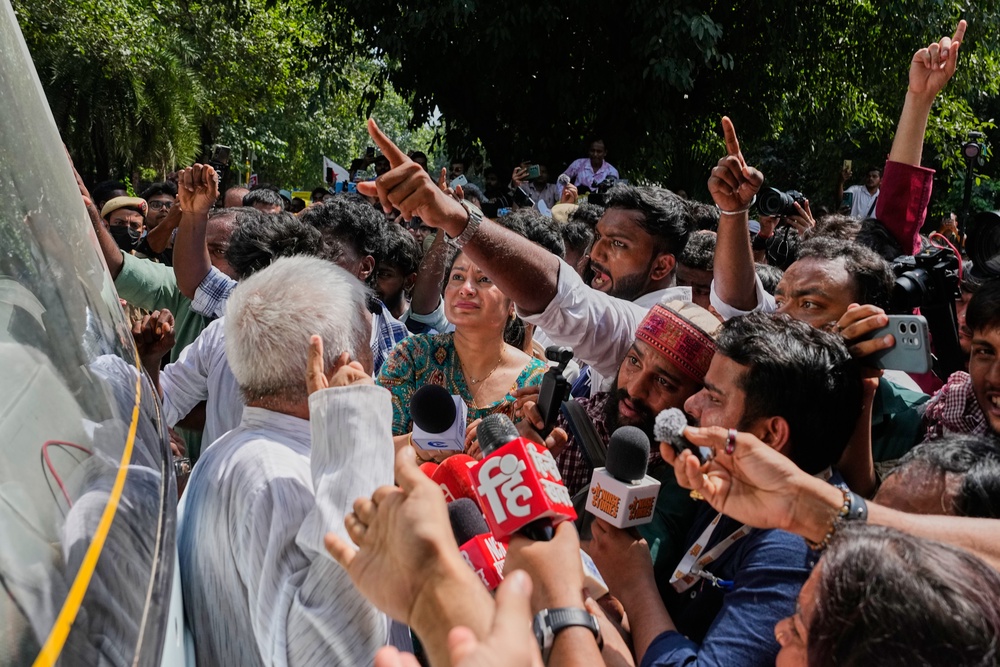
In a statement signed by a mid-ranking official rather than any of the commissioners, the election body defended its decision-making process, saying that “differing views and observations are a normal part of deliberation in any institution”.
“They are a part of the decision-making process before a final decision is taken,” it said, adding that the observations were part of its standard internal procedures and all final decisions taken by the full commission over the previous year had been unanimous.
The reported disagreements are especially significant because they concern the administration and security of electoral rolls, one of the commission’s core responsibilities.
Opposition parties have long accused the commission of favouring the BJP, particularly through the handling of the rolls. The report about disquiet within the commission has given the opposition new ammunition.
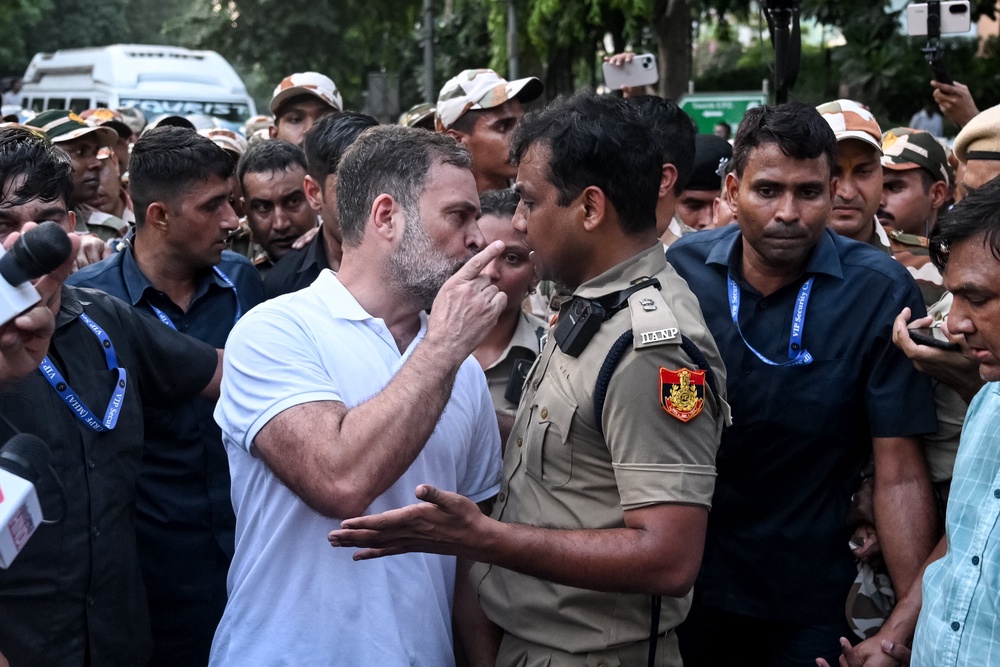
Congress party leader Rahul Gandhi has since intensified his criticism of the commission and the government. On 6 October, during a protest march towards the election commission’s headquarters in Delhi, he accused prime minister Narendra Modi, home minister Amit Shah, RSS chief Mohan Bhagwat, and Mr Kumar of undermining democracy through what he described as “vote theft”.
He called their alleged actions “treason”. The RSS is the parent organisation of Hindu nationalist groups, including the BJP.
Opposition leaders have demanded Mr Kumar’s resignation and some have even called for legal action.
Mr Gandhi and his sister, Congress MP Priyanka Gandhi Vadra, joined a sit-in near the commission's headquarters, demanding to meet election officials, after police blocked their march.
They were detained later that evening after they had protested for more than eight hours.
Gandhi, Congress president Mallikarjun Kharge and other opposition bloc leaders met president Droupadi Murmu and submitted a memorandum seeking action over the alleged irregularities in the electoral process and Mr Kumar's removal. The opposition also called for the restoration of 130 million voters it said were wrongly deleted from electoral rolls and demanded a return to paper ballots.
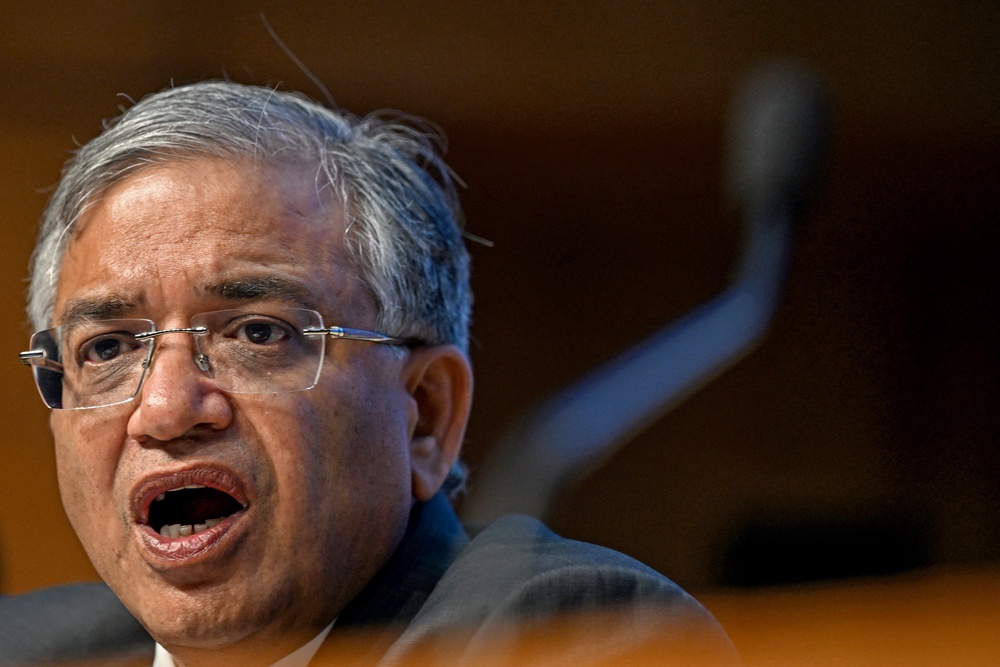
Former chief election commissioner SY Quraishi told the PTI news agency he had “been a critic of the revision of voter rolls from the beginning” and always wondered why Mr Sandhu and Mr Joshi had been “keeping quiet”.
“Now I realise that very silently and quietly they were protesting, they were writing notes. That is a good thing, they have gone up in my esteem,” he said.
The Express also reported about a problem in the coastal state of Goa where officials reportedly found that they could not restore the names of voters who had been found eligible after their earlier deletion. The commission later announced changes to its internal procedures, including a review of its electoral database system.
The Supreme Court is due to hear petitions around the dispute again in about two weeks.
Read MoreDelhi faces police lockdown as ‘cockroach’ party launches fresh wave of protests
Families demand answers after deadly poll violence in Pakistan-administered Kashmir
What US ban on Indian IT firms means for H1B visas and businesses
Is India’s first bullet train delay straining its ties with Japan?
Elon Musk asks if billionaire Ambani is ‘real boss of India’ in dig at Modi